Why the Feeding Debate Matters
Few topics generate more passionate disagreement among pet owners than what to put in the food bowl. Online communities, pet store staff, and even some veterinarians hold strong - and sometimes conflicting - opinions about raw diets, home-cooked meals, and commercial kibble. What often gets lost in that noise is a clear-eyed look at what the evidence actually supports.
The stakes are real. Nutrition is one of the most direct levers an owner has on a pet's long-term health, weight, and quality of life. Getting it wrong - whether through overfeeding, nutritional imbalance, or bacterial contamination - can cause lasting harm. Getting it right, however, doesn't require a single "correct" method. It requires understanding the trade-offs.
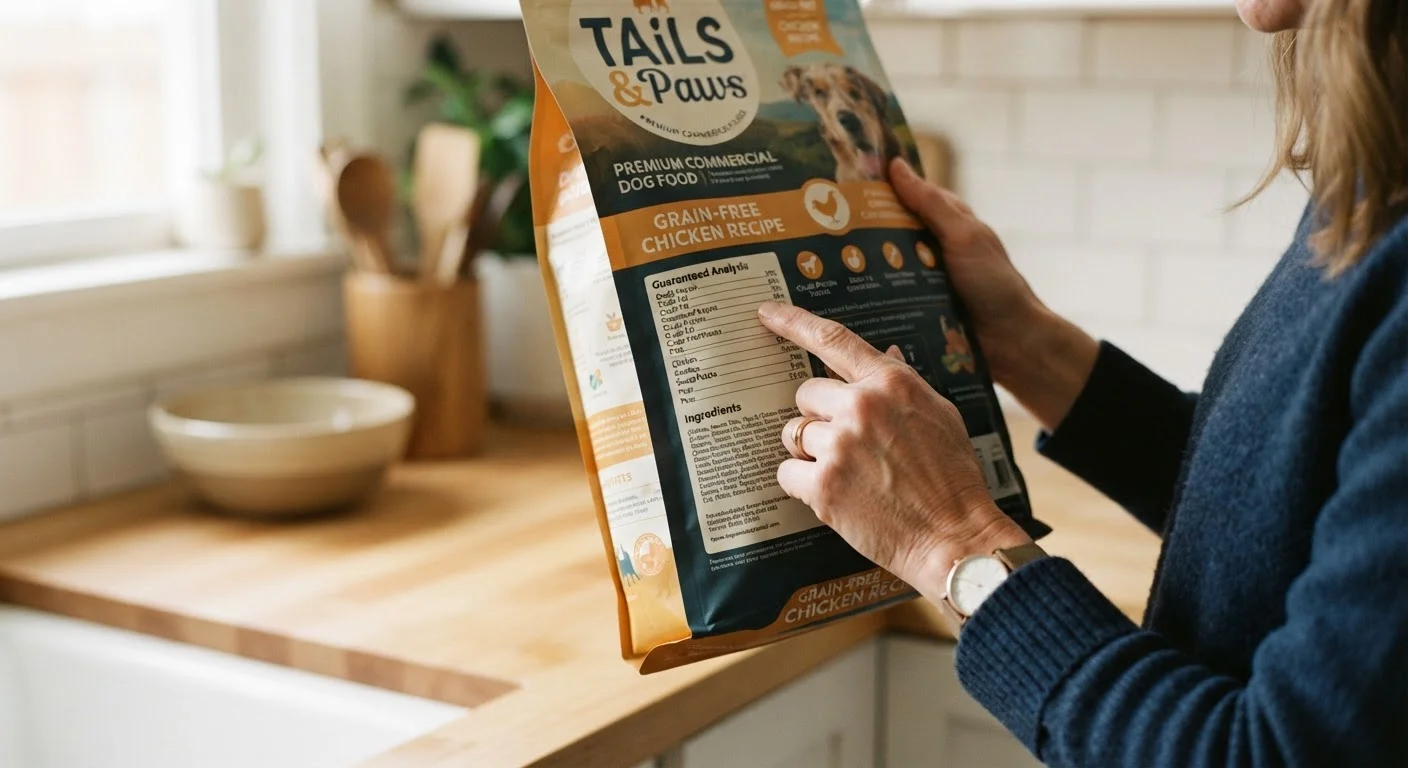
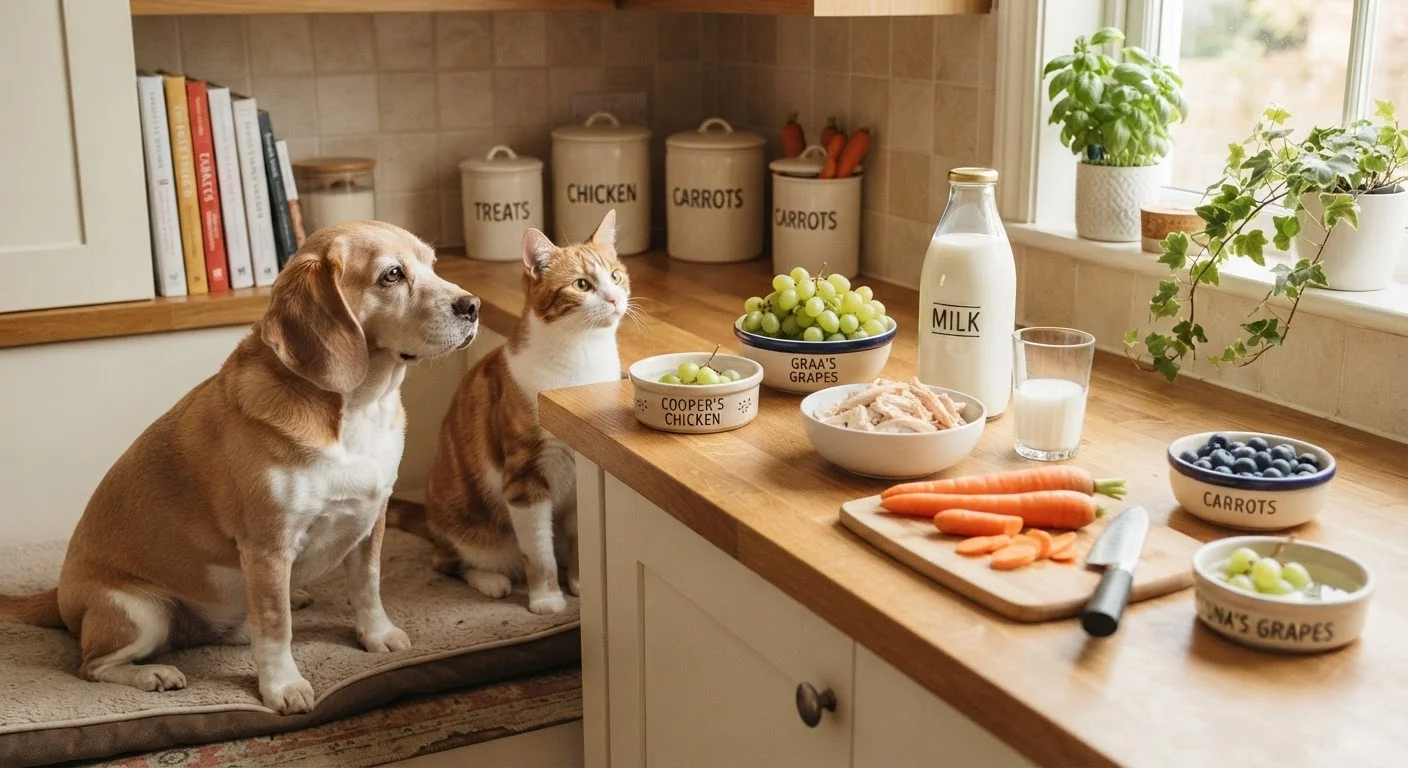
For a grounding in how labels and nutritional claims work before diving into diet types, see our guide to reading pet food labels. And if you're curious about common food myths that can mislead owners, that's worth reading alongside this article.
Kibble: The Baseline Most Vets Rely On
Dry commercial pet food - kibble - dominates the US market for good reason. Formulas that carry an AAFCO nutritional adequacy statement have been tested or formulated to meet established minimum nutrient profiles for a given life stage. That doesn't make every product equal, but it provides a meaningful quality floor that raw or home-cooked diets don't automatically have.
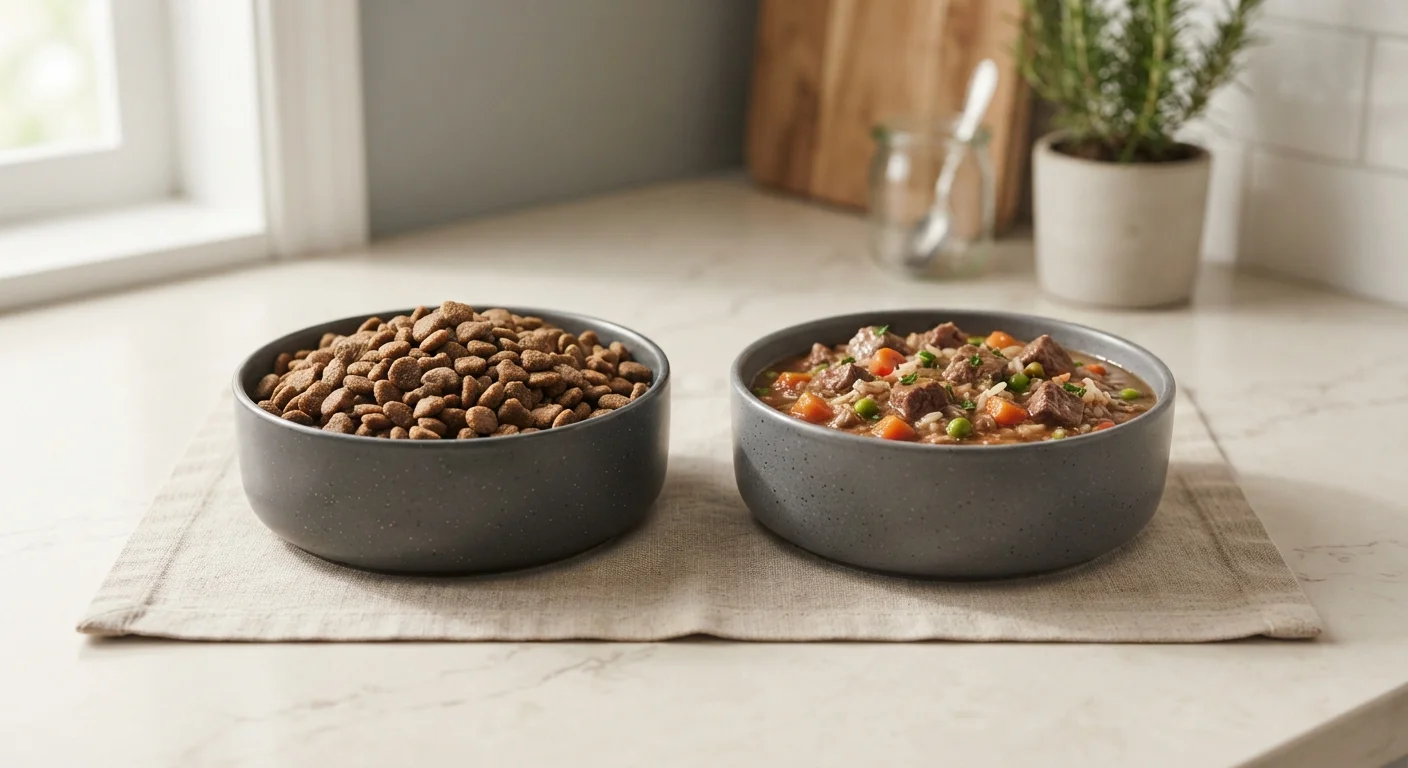
Kibble is shelf-stable, portion-controlled, and relatively affordable, making it accessible for most households. Its main limitations are moisture content - dry food provides almost no hydration - and the highly processed nature of its ingredients, which some owners find concerning. For a detailed look at how dry food compares with wet options, our wet vs. dry food comparison covers the nutritional and practical trade-offs in depth.
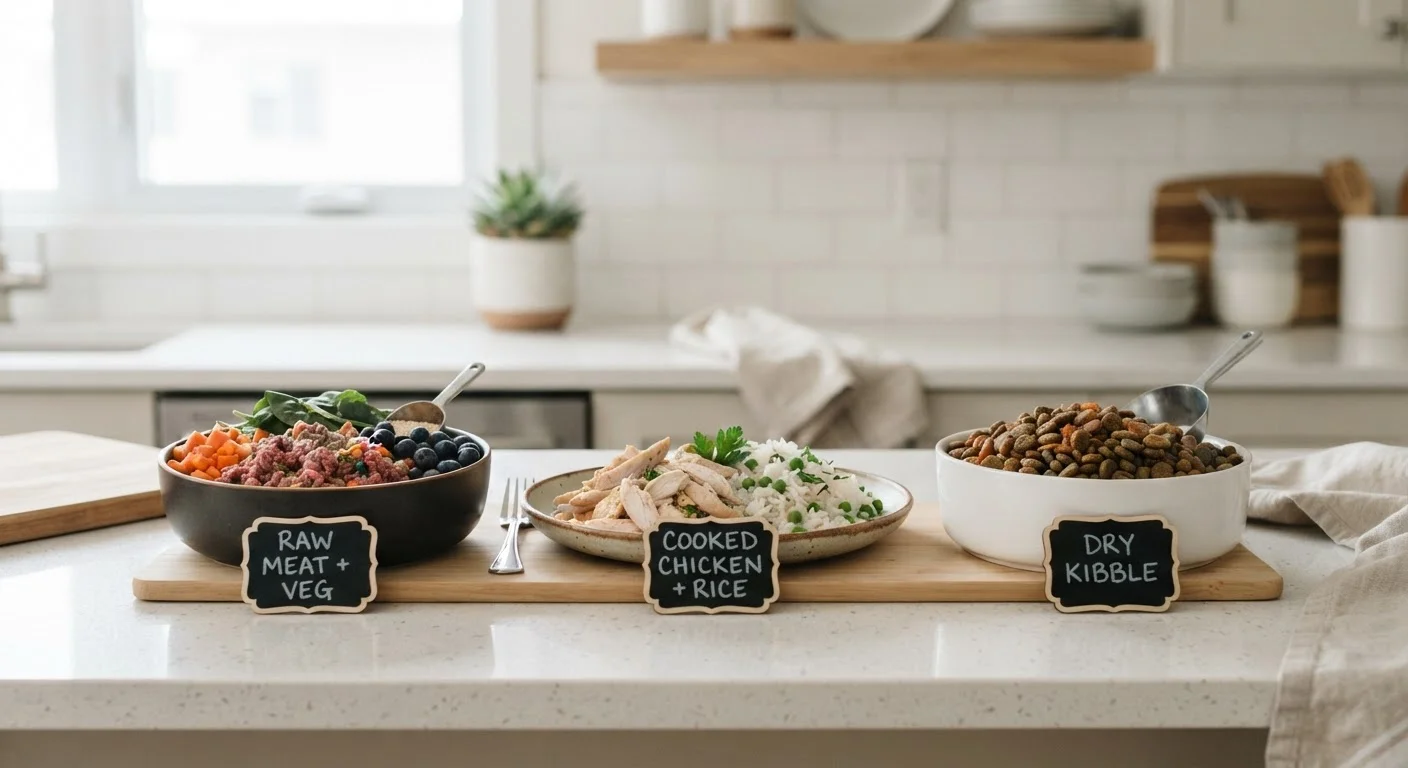
| Kibble | Raw Diet | Home-Cooked | |
|---|---|---|---|
| Nutritional completeness | Reliable if AAFCO-certified | Often incomplete without expert input | Requires professional formulation |
| Pathogen/safety risk | Low | Higher - Salmonella, E. coli risk | Low if properly cooked |
| Convenience | High - shelf-stable, easy to portion | Low - sourcing and prep intensive | Moderate - regular cooking required |
| Cost (relative) | Generally lower | Generally higher | Varies; often higher than kibble |
| Moisture content | Very low | Moderate to high | Moderate to high |
| Ingredient transparency | Requires label literacy | Highest - owner controls sourcing | High - owner controls ingredients |
| Veterinary endorsement | Broadly supported | Many organizations caution against | Supported with professional oversight |
Raw Diets: What Proponents Claim and What Evidence Shows
Raw feeding - typically called BARF or prey-model feeding - involves uncooked meat, bones, and organs, sometimes with raw vegetables or eggs. Proponents cite shinier coats, better digestion, and more natural eating patterns. Some of these observations are anecdotal; controlled research is limited and results are mixed.
What is well-documented is the risk profile. The AVMA and several other veterinary organizations discourage raw feeding primarily due to bacterial pathogens - Salmonella, Listeria, and E. coli - that can infect both animals and the people handling the food. Immunocompromised individuals, children, and elderly household members face elevated risk. Whole raw bones also carry choking and intestinal perforation risks, though ground raw diets reduce but do not eliminate these concerns.
Raw Diets Carry Household Health Risks
Bacterial contamination from raw pet food doesn't stay in the bowl. Pathogens can spread to food-prep surfaces, handlers' hands, and other pets or people in the home. The AVMA and the Centers for Disease Control and Prevention have both highlighted the risk, particularly for households with young children, pregnant individuals, or anyone with a compromised immune system. If you choose raw feeding, stringent food-handling hygiene is essential - not optional.
Nutritional completeness is another challenge. Many commercial raw products and home-assembled raw diets have been found deficient in calcium, phosphorus, or key vitamins when analyzed. If pursuing a raw approach, a veterinary nutritionist consultation is strongly advisable.
Home-Cooked Diets: Control With Responsibility
Cooking for your pet gives you full visibility into ingredients - appealing if your animal has food sensitivities or allergies that make navigating commercial labels difficult. Cooked diets also eliminate the pathogen concerns associated with raw feeding.
The significant caveat is nutritional completeness. Studies examining owner-formulated home-cooked pet diets have consistently found nutrient imbalances - often insufficient calcium, iodine, or specific amino acids. Cooking proteins adequately while preserving nutritional balance is harder than it appears. Recipes found online or in popular books are not automatically complete or appropriate for every animal.
The most responsible path to home cooking is working with a board-certified veterinary nutritionist who can formulate a recipe specific to your pet's species, size, age, and health status. Supplementation is almost always required; understanding supplement evidence and risks is essential reading before adding anything to a home-cooked bowl.
Work With a Veterinary Nutritionist
If you want to home-cook for your pet, the most protective step you can take is consulting a board-certified veterinary nutritionist (DACVN). They can formulate a species- and life-stage-appropriate recipe, specify which supplements are necessary, and flag risks unique to your animal's health history. Generic internet recipes - however popular - are not a substitute for this expertise.
Making a Practical, Informed Choice
No feeding method is inherently superior for every animal in every household. The right approach depends on your pet's species, age, health conditions, your own schedule and budget, and - critically - your willingness to engage with veterinary guidance.
Whatever method you use, portion control matters enormously; overfeeding is one of the most common and consequential errors owners make regardless of diet type. And understanding what pet nutrition labels actually communicate helps you evaluate any commercial product you consider.
Finally, cost is a legitimate factor. Raw and home-cooked diets typically cost significantly more than kibble, and that gap compounds over a pet's lifetime. For a broader view of ownership budgeting, the pet ownership costs hub offers useful context.
This article is for general informational purposes only and does not constitute veterinary or nutritional advice. Always consult a licensed veterinarian or board-certified veterinary nutritionist before making significant changes to your pet's diet.