
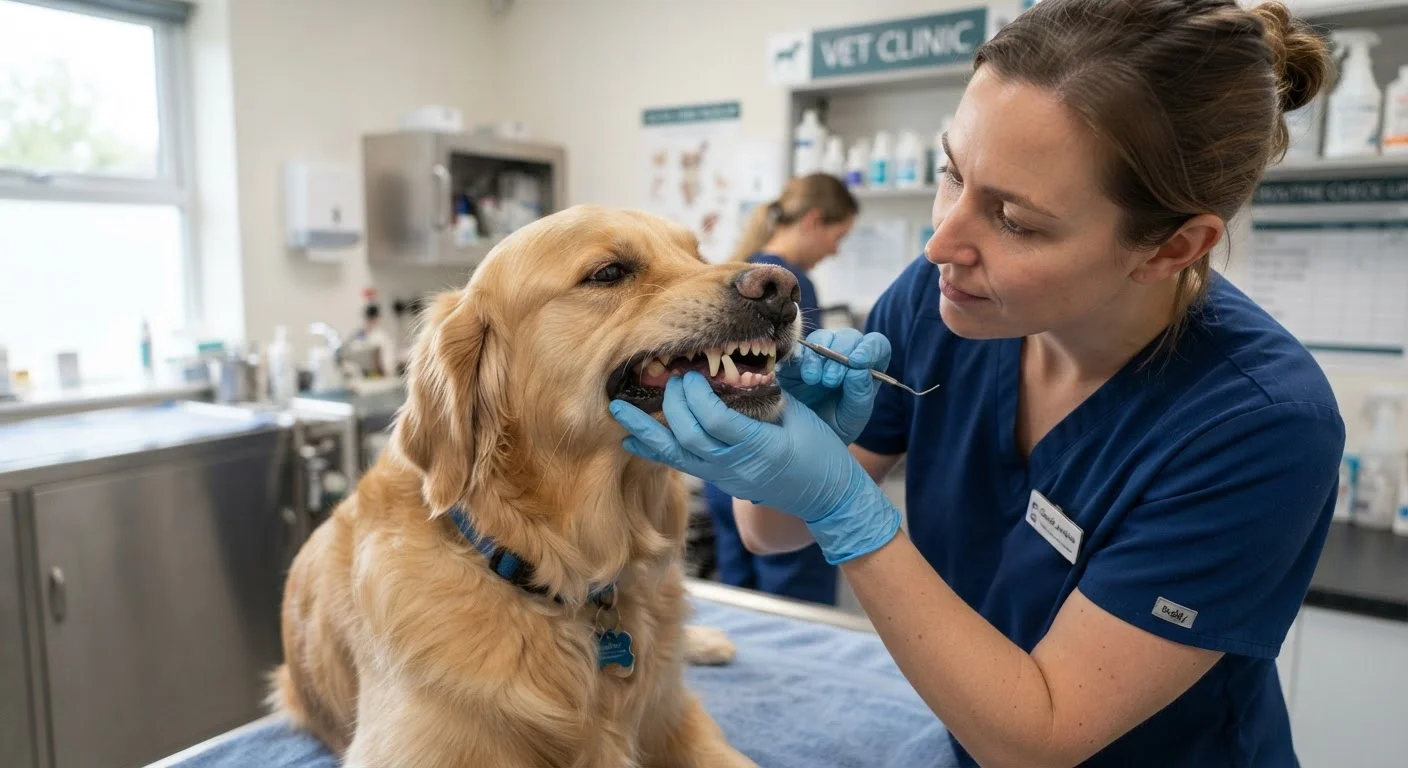
Why Dental Disease Flies Under the Radar
Most pet owners are vigilant about vaccinations, flea prevention, and annual wellness visits - but dental health rarely gets the same attention. The core reason is that pets are behaviorally wired to conceal pain. A dog with a severely infected molar will often continue eating, playing, and behaving normally, giving owners no clear signal that anything is wrong.
Veterinary surveys consistently place dental and periodontal disease at the top of the list of conditions diagnosed in routine exams. An estimated 80% of dogs and 70% of cats show signs of dental disease by age three. Despite this prevalence, dental problems are frequently discovered only during an unrelated visit - or when disease has progressed far enough to affect eating or cause visible swelling.
Because symptoms are subtle, many owners assume bad breath is simply "normal" for dogs or cats. In reality, persistent halitosis is one of the earliest and most reliable indicators that bacterial infection is already underway.
Bad Breath Is Not Normal in Pets
Mild mouth odor after eating can occur, but persistent, strong halitosis in dogs or cats is a clinical sign, not a breed trait or personality quirk. It typically indicates active bacterial activity related to plaque, tartar, or gum infection. If your pet's breath is consistently offensive, schedule a veterinary oral examination rather than attributing it to diet alone.
How Dental Disease Progresses
Understanding the timeline helps explain why prevention is far more effective than treatment after the fact. The process begins with plaque - a soft, colorless film of bacteria that forms on tooth surfaces after eating. Within 24 to 48 hours, minerals in saliva cause plaque to harden into tartar (also called calculus), a rough, porous substance that no amount of brushing can remove once it has formed. Only professional scaling with veterinary instruments can eliminate established tartar.
As tartar accumulates at and below the gumline, it creates an environment where anaerobic bacteria thrive. This triggers gingivitis - inflammation and redness of the gum tissue. At this stage, the disease is still reversible with appropriate cleaning. Left unaddressed, however, gingivitis advances to periodontitis: the destruction of the periodontal ligament and supporting bone that hold teeth in place. Teeth become loose, painful abscesses can develop, and tooth loss follows.
Beyond the mouth, chronic oral infection is associated with systemic effects. Bacteria that enter the bloodstream through inflamed gum tissue have been linked in veterinary literature to inflammatory changes in cardiac, renal, and hepatic tissue, though the strength of these associations is still an active area of research.
80%
Dogs showing dental disease by age three
Veterinary prevalence estimates cited by the American Veterinary Medical Association indicate the majority of dogs have measurable periodontal disease by their third year.
24-48 hrs
Time for plaque to harden into tartar
Once plaque mineralizes into tartar, it can no longer be removed by brushing and requires professional veterinary scaling.
~70%
Cats affected by dental disease by age three
Veterinary dental literature consistently reports high prevalence of periodontal disease in cats, often going undetected due to the species' tendency to mask discomfort.
Prevention: What Actually Works
Veterinary dental guidance is consistent: daily tooth brushing is the single most effective home preventive measure. Using a soft-bristled brush and pet-safe enzymatic toothpaste - never human toothpaste, which contains ingredients toxic to pets - removes plaque before it has time to mineralize. Even brushing three to four times per week provides meaningful benefit compared to no brushing at all.
Supplemental products such as dental chews, water additives, and oral rinses can contribute to plaque control when used consistently. Owners evaluating these products should look for the Veterinary Oral Health Council (VOHC) seal, which indicates the product has been tested and shown to meet defined efficacy standards.
Home care, however, cannot substitute for professional veterinary cleanings. A comprehensive dental cleaning under anesthesia allows veterinarians to scale below the gumline, probe each tooth for pockets or bone loss, take dental radiographs, and treat or extract teeth that cannot be saved. Anesthesia is necessary for this level of examination and is considered safe for the vast majority of pets when pre-anesthetic bloodwork and monitoring protocols are followed.
Start Dental Habits Early in Your Pet's Life
Puppies and kittens that are gradually introduced to tooth brushing - starting with just a finger and pet-safe toothpaste - tend to tolerate the routine far better as adults. Even if your pet is older, most animals can be desensitized to brushing with patient, reward-based introduction over several weeks.
Building dental care into your pet's routine is also part of managing overall ownership costs thoughtfully. Preventive cleanings tend to be substantially less expensive than treating advanced periodontal disease, extractions, or related systemic complications. For context on where dental care fits into the broader financial picture of pet ownership, see hidden pet ownership costs and building a home dental care routine.
Breed, Size, and Age: Risk Factors Worth Knowing
Not all pets face equal dental risk. Small and toy breeds - including Chihuahuas, Yorkshire Terriers, and Dachshunds - are disproportionately prone to early and severe periodontal disease. Their teeth are often crowded into smaller jaws, creating tight spaces where plaque accumulates rapidly. Brachycephalic breeds (those with flattened faces, such as Bulldogs or Persian cats) face similar crowding-related challenges.
As pets age, cumulative plaque exposure and any existing bone loss make dental disease more likely and more advanced. Senior pets benefit from more frequent oral exams and may require more complex treatment if disease has progressed over years of insufficient care.
Cats present their own distinct concern: tooth resorption, a separate and painful condition in which the tooth structure itself breaks down from the inside. This affects a significant proportion of adult cats and requires veterinary diagnosis - often through dental radiographs - since it is not visually obvious during a surface exam.
For a broader view of how routine health monitoring fits into overall pet care basics, your veterinarian remains the best resource for building a schedule suited to your individual pet. Unexpected dental findings are also among the reasons vet bills catch owners off guard - planning ahead matters.
This article provides general educational information about pet dental health and is not a substitute for veterinary advice. Consult a licensed veterinarian for guidance specific to your pet's health needs.