How the Two Formats Differ at a Basic Level
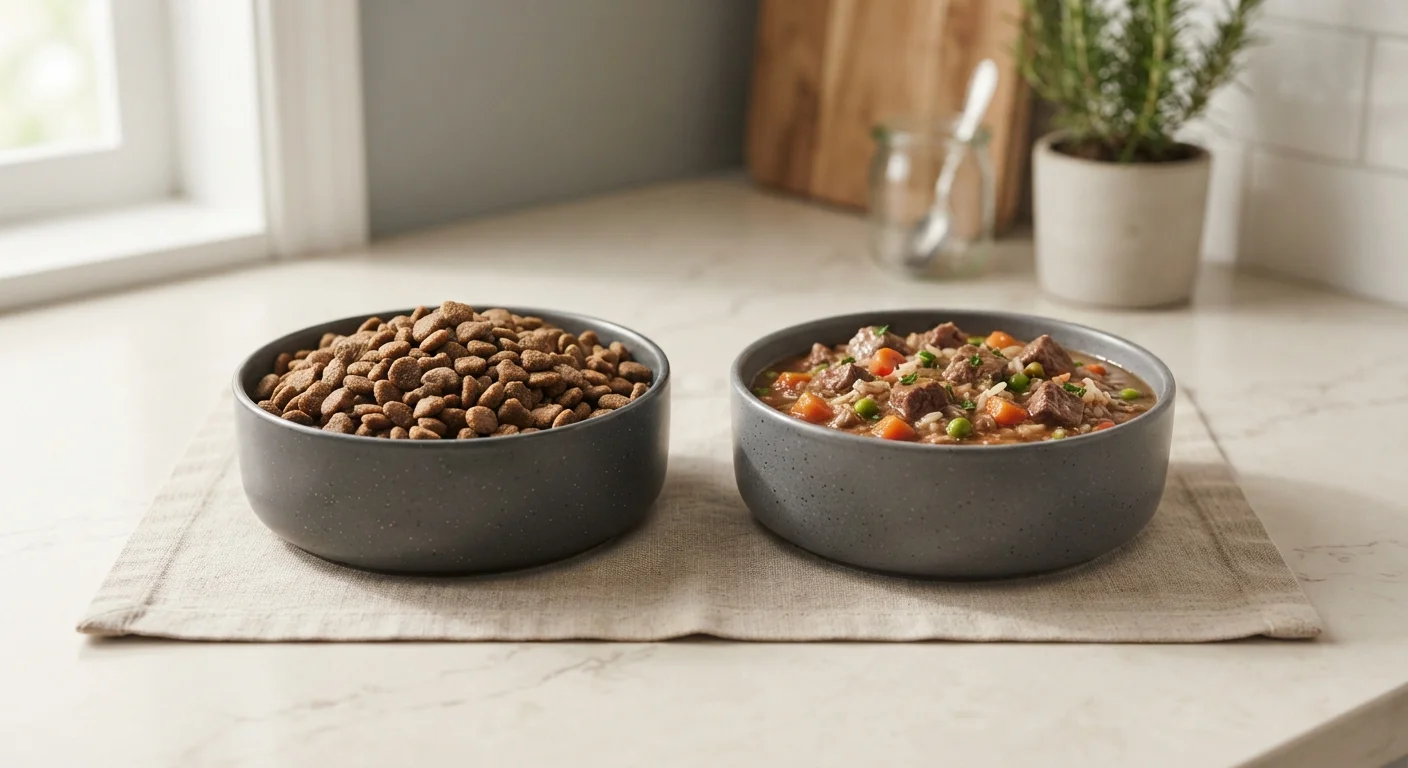
Dry kibble and wet pet food start from the same basic ingredients - proteins, carbohydrates, fats, vitamins, and minerals - but manufacturing processes create very different end products. Kibble is cooked under high heat and pressure, then dehydrated to roughly 10% moisture. Wet food is sealed in cans or pouches and retains 70-80% moisture. That gap in water content drives most of the practical differences owners notice.
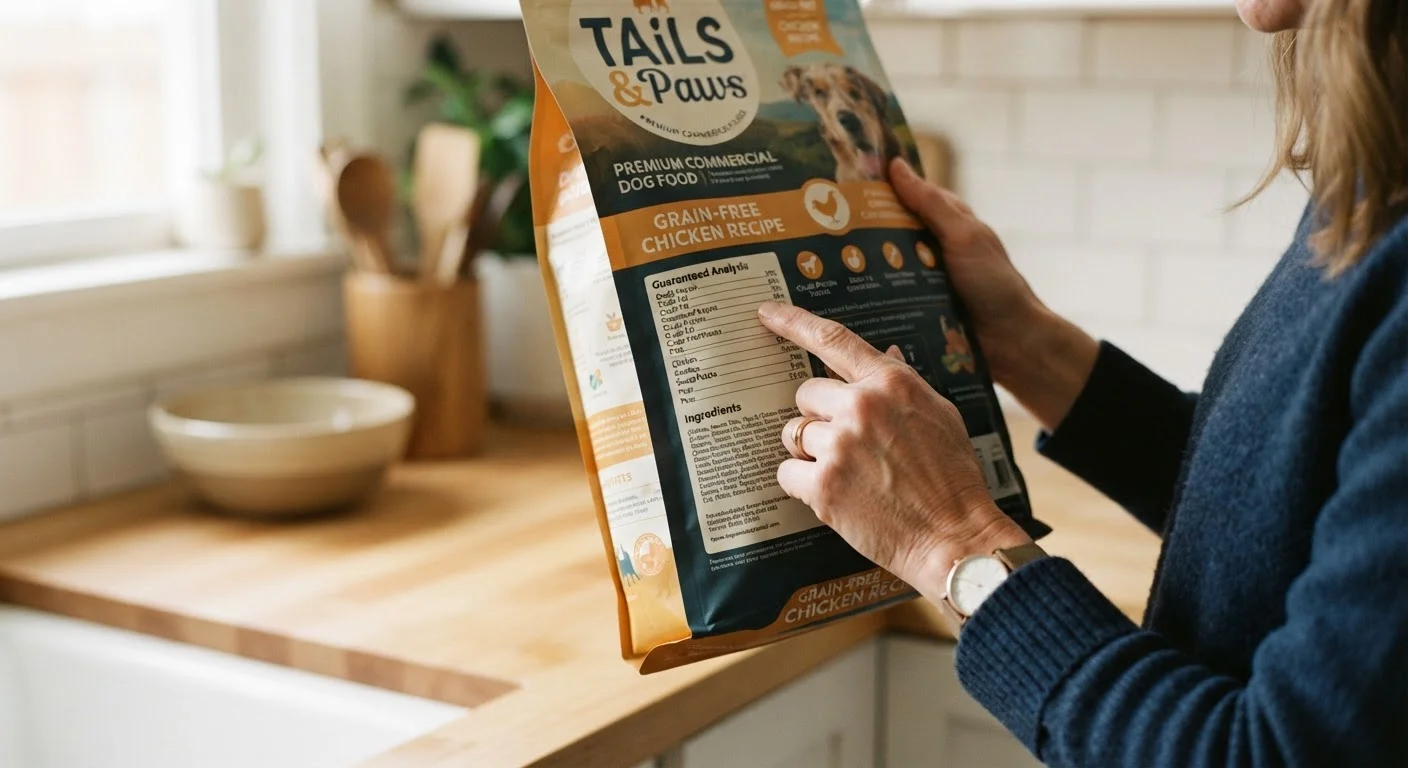
Both formats can meet the nutritional standards set by the Association of American Feed Control Officials (AAFCO), which establishes minimum nutrient profiles for cats and dogs. A food labeled "complete and balanced" for your pet's life stage should supply adequate nutrition regardless of format. For a deeper look at how to read those label claims, see our guide on understanding nutritional labels on commercial pet food.
| Criterion | Dry Kibble | Wet Food |
|---|---|---|
| Moisture content | ~10% | 70-80% |
| Cost per serving | Generally lower | Generally higher |
| Shelf life (opened) | Weeks, if sealed properly | 1-2 days refrigerated |
| Dental health benefit | Modest plaque reduction | Minimal mechanical benefit |
| Palatability | Moderate | High (stronger aroma) |
| Calorie density | Higher per gram | Lower per gram |
| Suitable for dental pain | No - requires chewing | Yes - soft texture |
| Hydration support | Low | High |
Hydration, Digestion, and Health Considerations
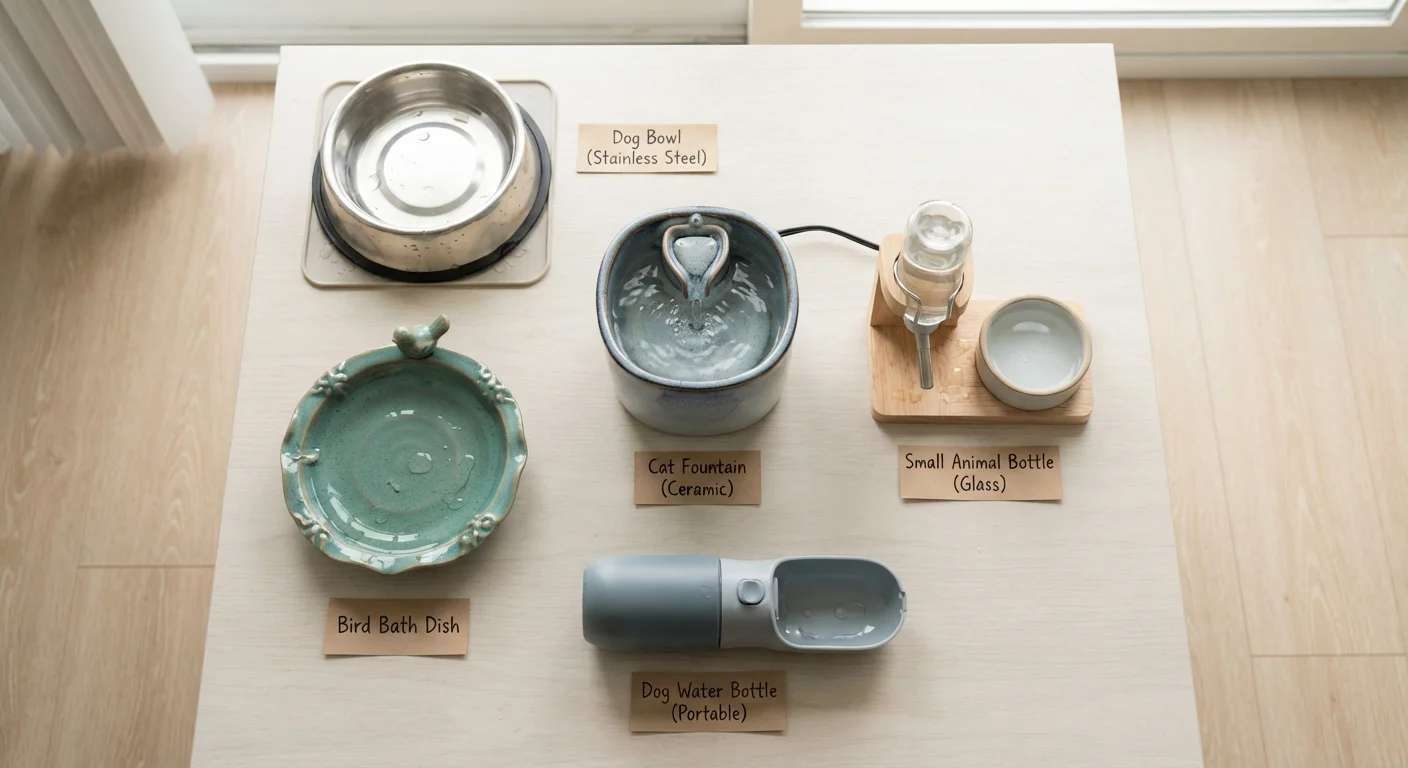
Moisture content is the most clinically significant difference between the two formats. Cats in particular are prone to consuming too little water when fed exclusively dry food, which can contribute to urinary tract problems and chronic kidney disease over time. Wet food's high water content can offset this risk. For a broader look at how much water different animals need daily, our article on pet hydration needs covers this in detail.
Dogs are generally better at seeking out water independently, but wet food can still be beneficial for dogs prone to urinary crystals or those recovering from illness. Wet food is also easier to chew and digest, which matters for senior pets, small-breed dogs with tiny jaws, or any animal with dental pain.
Dry kibble has one notable advantage for oral health: the abrasive action of chewing can slow plaque buildup on tooth surfaces. Veterinary dental specialists note this effect is modest, and kibble alone does not prevent periodontal disease - regular brushing and professional dental exams remain essential regardless of diet format.
When a Mixed Diet May Make Sense
Some veterinarians recommend combining dry and wet food to capture benefits of both formats - particularly for cats who need more moisture but whose owners find all-wet feeding costly or impractical. If you try a mixed approach, adjust total portions carefully to avoid exceeding your pet's daily caloric needs. Ask your vet for guidance tailored to your pet's weight, age, and health status.
This article is for general informational purposes and does not constitute veterinary advice. Always consult a licensed veterinarian before making significant changes to your pet's diet, especially if your pet has an existing health condition.
Cost, Storage, and Everyday Practicality
On a per-calorie basis, dry kibble is consistently less expensive than wet food. A bag of kibble also keeps for weeks once opened - provided it's stored in a sealed container away from heat and humidity - while opened wet food must be refrigerated and used within a day or two. For multi-pet households or owners managing tight budgets, kibble's economics are hard to argue with.
That said, the true cost of feeding depends on how much your pet actually needs, which is governed by calorie density. Wet food is lower in calories per gram, meaning you feed larger volumes to meet the same caloric target. Portion sizes printed on packaging can vary between brands, so comparing calorie content - listed as kcal per cup or kcal per can - gives a more accurate picture of actual cost. For context on the broader financial picture of pet ownership, see our Pet Ownership Costs hub.
70-80%
Moisture in wet pet food
Compared to roughly 10% in dry kibble, this difference significantly affects a pet's total daily fluid intake from food alone.
~3-4x
Higher typical cost of wet vs. dry per calorie
General industry comparisons indicate wet food often costs considerably more per calorie than dry kibble, though prices vary widely by brand and formula.
Some owners use a mixed-feeding approach: kibble as the daily base with wet food as a topper or occasional meal. This can balance palatability, moisture intake, and cost, though portion control becomes more important to avoid overfeeding. If you're weighing feeding choices across species, our dog vs. cat financial comparison breaks down food costs alongside other ownership expenses.