The Six Fluids Every Driver Should Know
Your car depends on a handful of fluids to keep every system running safely. Ignore them and you're gambling with your engine, brakes, and transmission. Here's a plain-language breakdown of what each fluid does and what to watch for.
Engine Oil
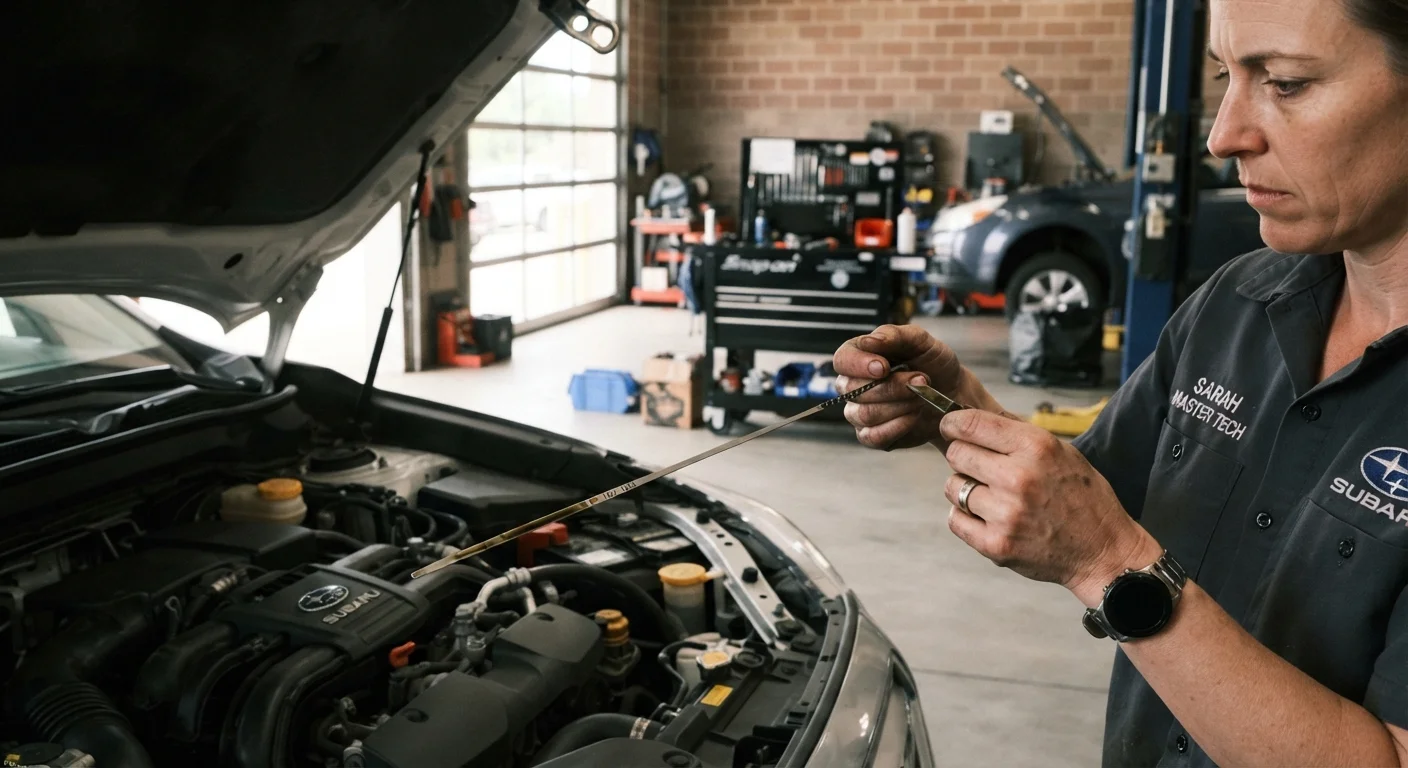
Engine oil lubricates moving metal parts, reduces friction, carries heat away from the engine, and suspends microscopic debris until your next oil change. Low or degraded oil is one of the fastest routes to serious engine damage. Check the dipstick with the engine off and the car on level ground - the oil should sit between the MIN and MAX marks and look amber to dark brown, not black or milky. Consult your owner's manual for the correct change interval; the old "every 3,000 miles" rule no longer applies to most modern vehicles. See common car maintenance myths for more on outdated service rules.
Coolant (Antifreeze)
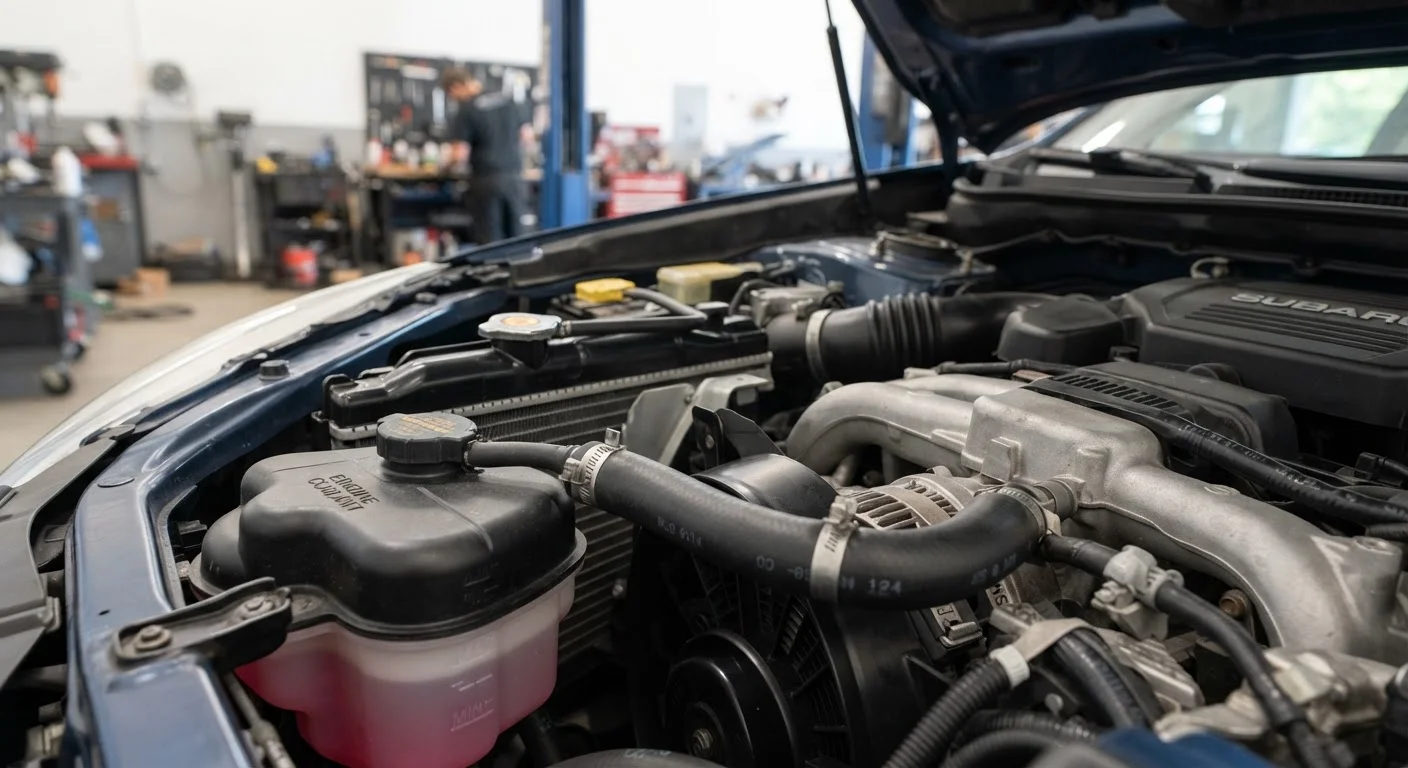
Coolant circulates through the engine and radiator to regulate temperature, preventing both overheating in summer and freeze-up in winter. Check the translucent overflow reservoir - never open the radiator cap on a hot engine. The level should fall between MIN and MAX, and the fluid should appear bright (typically green, orange, or pink depending on type). A rusty or oily appearance signals trouble. For a deeper dive into the whole system, see how your cooling system works.
Brake Fluid
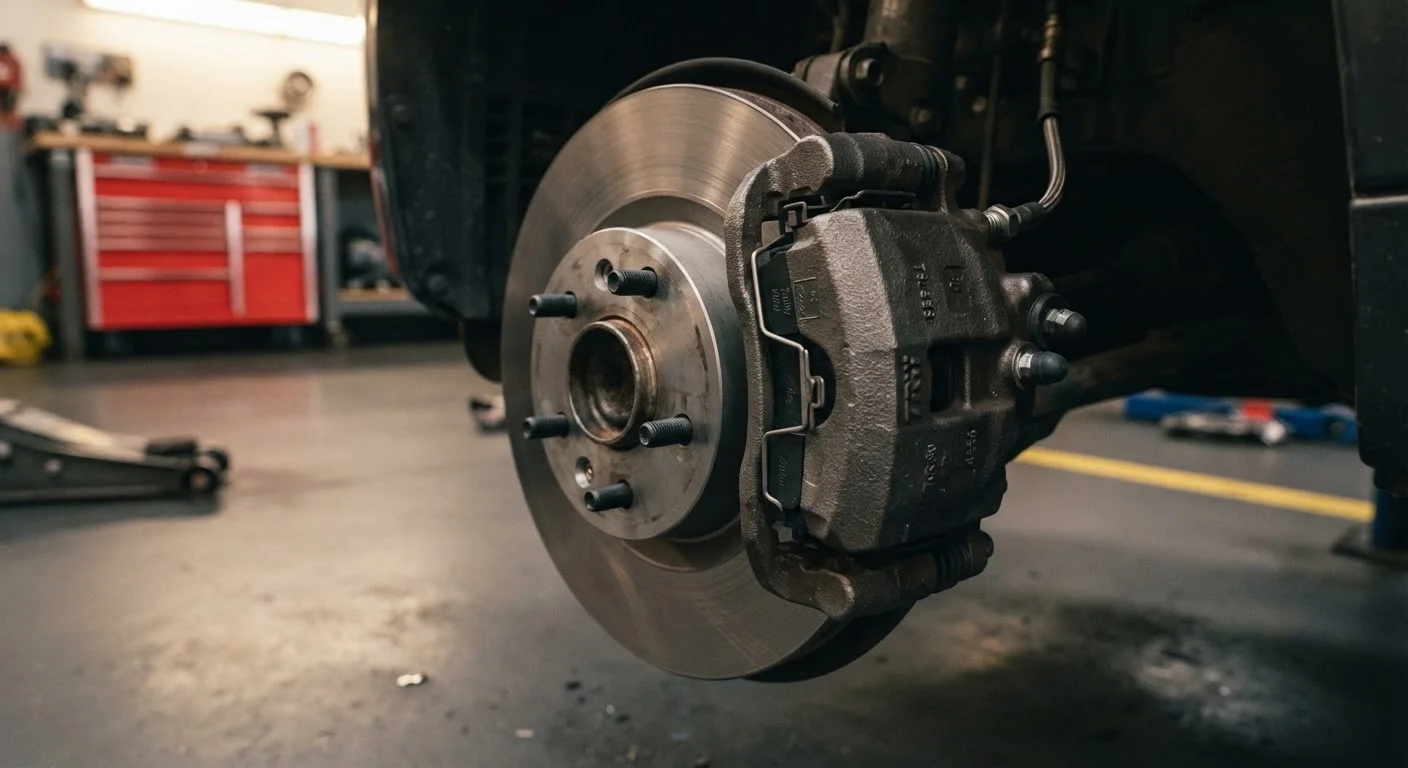
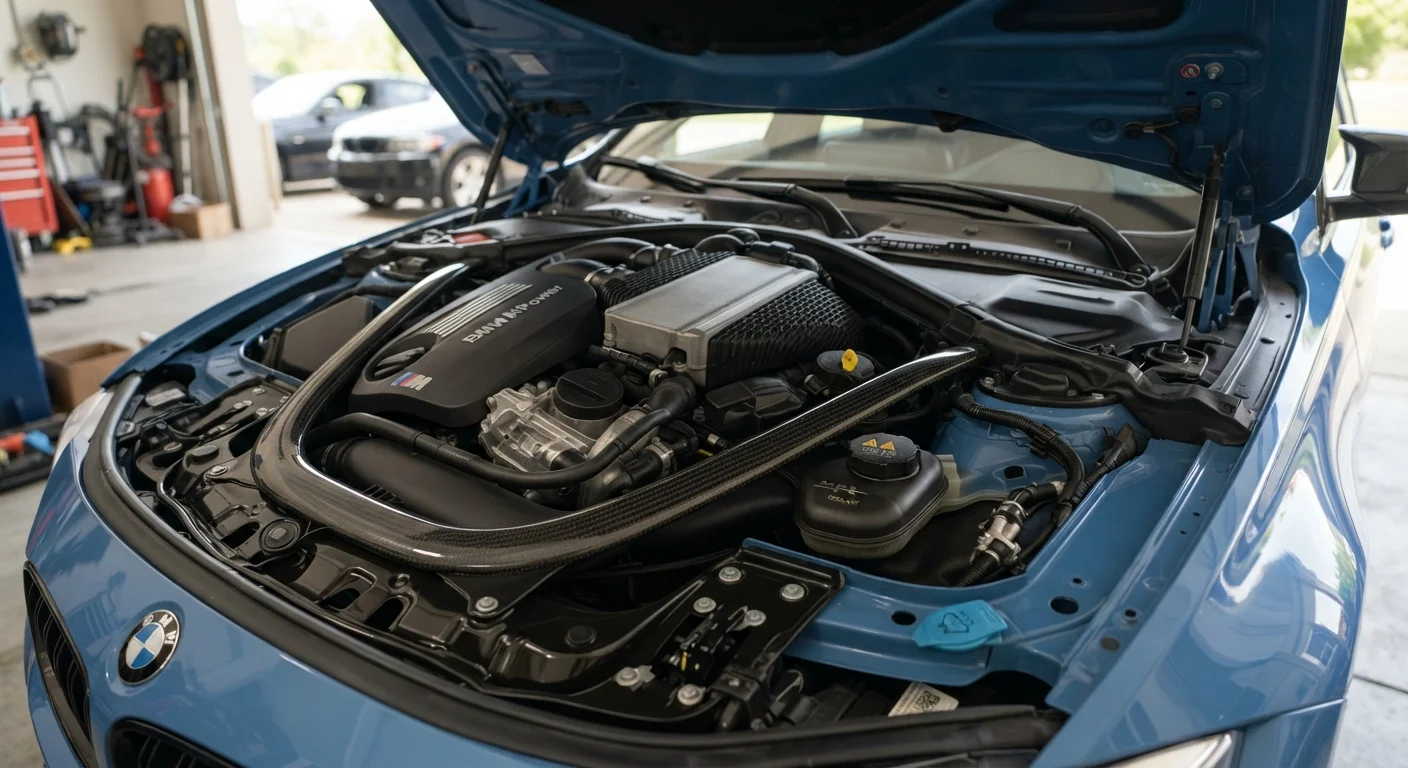
Brake fluid transfers the force of your foot on the pedal to the brake components at each wheel. It's hygroscopic, meaning it absorbs moisture over time, which lowers its boiling point and reduces braking effectiveness. The reservoir is usually a small translucent container near the back of the engine bay. Fluid should be clear to light yellow - dark or cloudy fluid needs attention. For context on keeping your brakes in shape, see how to extend brake life.
Power Steering Fluid
This fluid powers the hydraulic assist that makes turning the wheel manageable. A whining noise when you steer or a stiff wheel often points to low or degraded power steering fluid. Note: many newer vehicles use electric power steering and have no fluid reservoir at all - check your manual.
Transmission Fluid
Transmission fluid lubricates the gears and acts as a hydraulic fluid for automatic transmissions. Some vehicles have a dipstick for checking it; others are sealed units requiring a shop inspection. Dark red or brown fluid with a burnt smell is a warning sign.
Windshield Washer Fluid
Washer fluid keeps your visibility clear. It's the one fluid you can top off confidently without mechanical concern - just use proper washer fluid, not plain water, which can freeze and harbor bacteria.
Warning Signs and When to Act
Most fluid problems announce themselves before they become catastrophic - if you know what to look for. Dashboard warning lights are often the first alert, but physical symptoms show up too.
Hygroscopic
A substance that absorbs moisture from the air over time. Brake fluid is hygroscopic, which is why it degrades and needs periodic replacement.
Dipstick
A long, thin metal rod inserted into the engine or transmission to measure fluid level. You pull it out, wipe it clean, reinsert, and read the level.
Coolant / Antifreeze
A water-based fluid mixed with glycol that circulates through the engine to regulate temperature. It prevents both boil-over in heat and freeze-up in cold.
Reservoir
A translucent plastic tank connected to a fluid system, allowing you to check and add fluid without direct contact with pressurized components.
- Puddles under your parked car: An oily puddle near the center or front often means engine oil or coolant. A clear puddle near the front on a hot day is usually just condensation from the A/C - normal.
- Sweet smell from the engine bay: A syrupy odor typically means coolant is leaking or burning off somewhere it shouldn't be.
- Spongy or low brake pedal: Could indicate air in the brake lines or low brake fluid - have it inspected promptly by a qualified mechanic.
- Slipping or rough gear changes: In automatic transmissions, this often points to low or degraded transmission fluid.
For a full pre-drive checklist - especially before longer trips - a pre-road trip mechanical walkthrough covers fluids alongside tires, lights, and brakes in one pass.
Mixing Fluids Can Cause Hidden Damage
Not all coolants, transmission fluids, or brake fluids are interchangeable. Using the wrong type - even temporarily - can cause corrosion, seal damage, or reduced performance that isn't immediately obvious. Always match the fluid type specified in your owner's manual, and if you're unsure, ask a qualified mechanic before adding anything.
When in doubt about any fluid check or top-off, consult your owner's manual first or have a qualified mechanic inspect the vehicle. Mixing incompatible fluid types - especially coolants - can cause internal damage that isn't immediately visible.