Why Pet Food Myths Persist
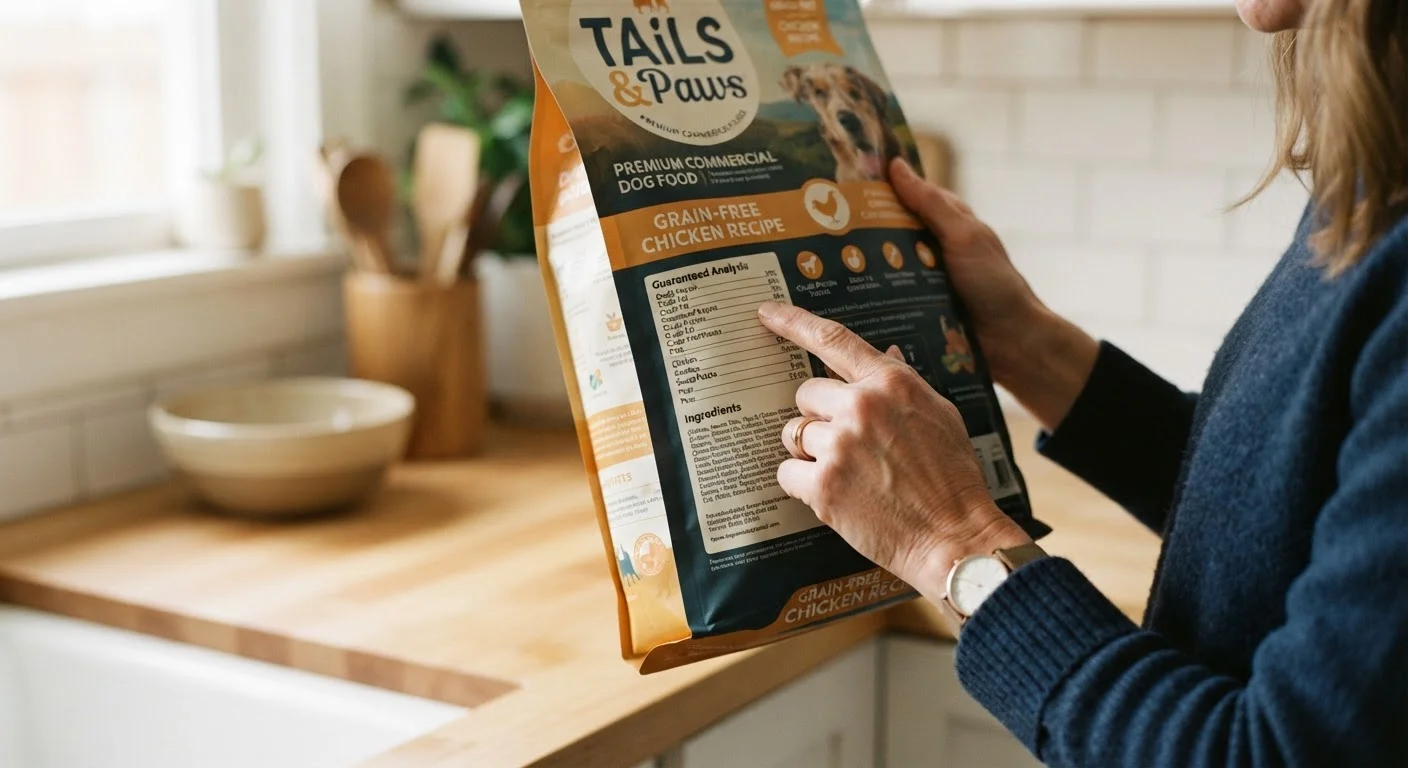
Well-meaning pet owners pick up feeding habits from family tradition, social media, and outdated advice that gets passed down like folklore. The result is a patchwork of half-truths that can put animals at real risk. Understanding which beliefs are myths - and why - is a foundational part of responsible daily care. For a deeper look at how to evaluate what goes into your pet's bowl, see our guide on reading commercial pet food labels.
The myths below span dogs, cats, and common household foods. Each one is widespread enough that even experienced owners may be surprised.
Myth
Cats love milk and it's a healthy treat for them.
Fact
Most adult cats are lactose intolerant and cow's milk can cause digestive upset, including diarrhea and vomiting.
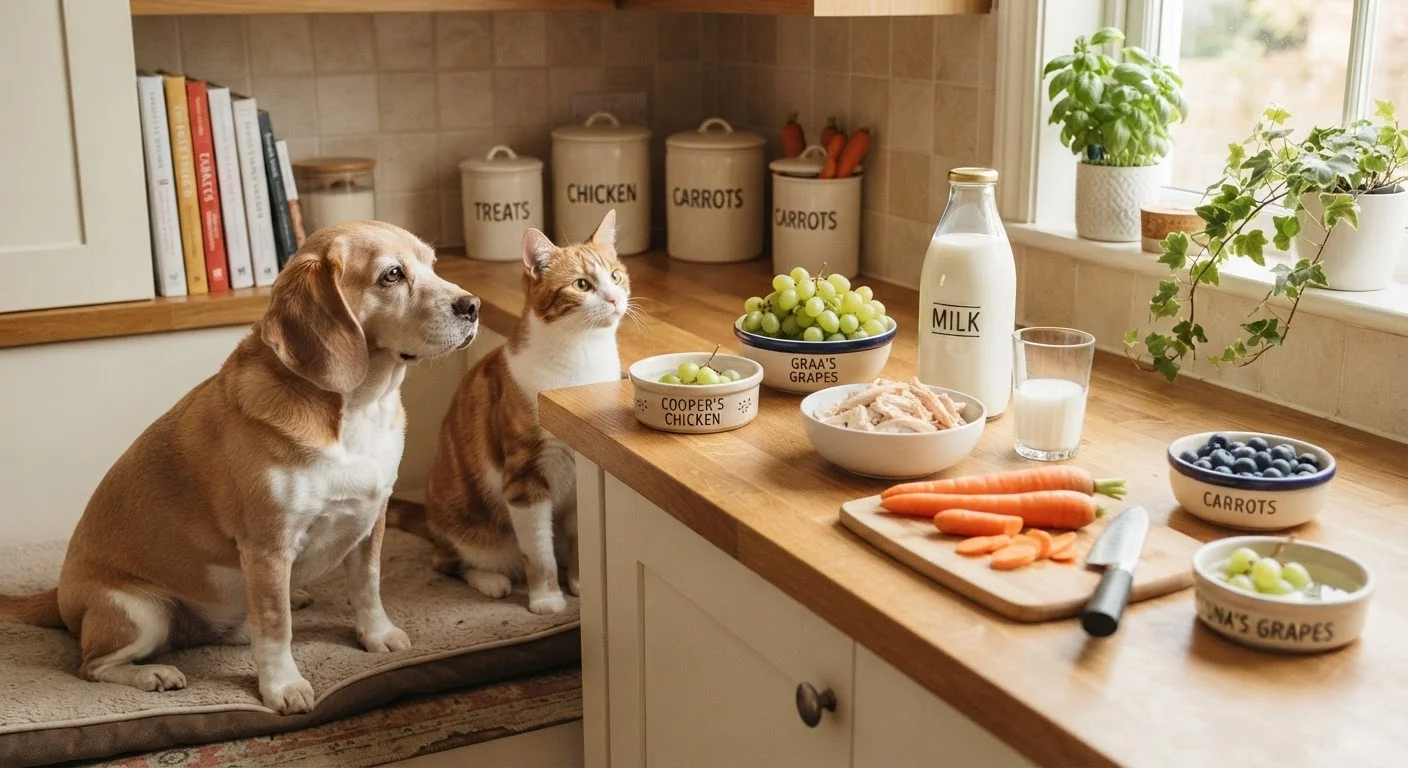
The image of a cat lapping up a saucer of milk is deeply embedded in popular culture, but it doesn't reflect feline biology. After kittenhood, most cats stop producing sufficient lactase - the enzyme needed to digest lactose - meaning cow's milk is poorly tolerated. Small amounts may not cause immediate crisis, but repeated exposure can lead to chronic gastrointestinal issues. If you want to offer your cat a liquid treat, plain water or specially formulated cat milk (lactose-reduced) are far safer options.
Myth
Dogs can safely eat grapes and raisins - they're just fruit.
Fact
Grapes and raisins are toxic to dogs and can cause acute kidney failure, even in small quantities.
The exact compound in grapes and raisins responsible for toxicity in dogs has not been fully identified, which makes this particularly concerning - there's no safe known dose. Some dogs have experienced kidney failure after eating just a handful of raisins. Symptoms can include vomiting, lethargy, and decreased urination. Because individual sensitivity varies and the mechanism isn't fully understood, veterinarians universally advise keeping grapes and raisins completely away from dogs. This is one myth where the stakes are high enough that no experimentation is worth the risk.
Myth
Cooked bones are safe for dogs - only raw bones are dangerous.
Fact
Cooked bones are actually more likely to splinter than raw bones, posing serious risks of injury and obstruction.
Cooking changes the structural integrity of bones, making them brittle. When a dog chews a cooked bone, it can fracture into sharp shards capable of lacerating the mouth, esophagus, stomach, or intestines. Raw bones carry their own risks - including bacterial contamination and dental fractures - and veterinary opinion on raw bones is divided. The safest approach is to discuss appropriate chew options, including commercially designed dental chews, with your veterinarian rather than relying on kitchen scraps.
Myth
Onions and garlic are fine for pets in small amounts.
Fact
Onions and garlic - in any form - are toxic to both dogs and cats and can cause hemolytic anemia.
Compounds called thiosulfates in onions and garlic damage red blood cells in dogs and cats, leading to a condition called hemolytic anemia, where the body destroys its own red blood cells faster than it can replace them. This applies to all forms: raw, cooked, powdered, or dehydrated. Powdered onion or garlic found in soups, sauces, or seasoning blends can be especially concentrated and dangerous. Cats are generally more sensitive than dogs. Symptoms - weakness, pale gums, reduced appetite - may not appear for several days after ingestion, making this toxin particularly deceptive.
Myth
Carrots and other vegetables are always safe snacks for pets.
Fact
Some vegetables are safe for dogs in moderation, but others - like onions, leeks, and wild mushrooms - are toxic, and cats have different nutritional needs altogether.
Carrots, green beans, and blueberries are commonly cited as dog-safe snacks, and in small, appropriate quantities they can offer some nutritional value or enrichment. However, the category of "vegetables" is broad, and several plants in that group are harmful. Leeks and chives share the same toxic compounds as onions and garlic. Avocado contains persin, which can cause vomiting and diarrhea in dogs. For cats - obligate carnivores - vegetables offer very limited nutritional value and some may cause digestive upset. Treats of any kind should represent no more than 10% of a pet's daily caloric intake, and new foods should always be introduced one at a time.
Myth
Xylitol is only a concern if your pet eats candy.
Fact
Xylitol is found in a wide range of products - from peanut butter and baked goods to some medications - and is highly toxic to dogs.
Xylitol is a sugar alcohol used as a sweetener in hundreds of products beyond candy, including some brands of peanut butter, chewing gum, mouthwash, vitamins, and even certain medications. In dogs, xylitol triggers a rapid release of insulin that can lead to life-threatening hypoglycemia (low blood sugar) and, in larger doses, liver failure. Symptoms can appear within 15 to 30 minutes of ingestion. Because peanut butter is commonly used as a treat or medication delivery vehicle for dogs, owners should always read ingredient labels carefully before purchasing. Xylitol does not appear to cause the same insulin response in cats, though it is still best avoided.
Putting It All Together: Feeding Your Pet Safely
The safest rule of thumb is straightforward: if a food isn't formulated or widely confirmed as safe for your specific species of pet, don't offer it without checking first. This is especially true for small pets, where even a small amount of a toxic substance can cause rapid harm.
232,000+
Annual pet poisoning cases reported
The ASPCA Animal Poison Control Center handles hundreds of thousands of cases annually, with food-related toxins consistently among the leading causes.
~10%
Recommended treat limit of daily calories
Veterinary nutrition guidelines generally recommend that treats - including human food scraps - make up no more than 10% of a pet's total daily caloric intake.
Veterinarians and poison control organizations maintain up-to-date lists of foods that are dangerous to companion animals - bookmarking one of these resources is a practical step every pet owner can take. If your pet has ingested something concerning, contact your vet or an animal poison control line promptly; do not wait for symptoms to appear.
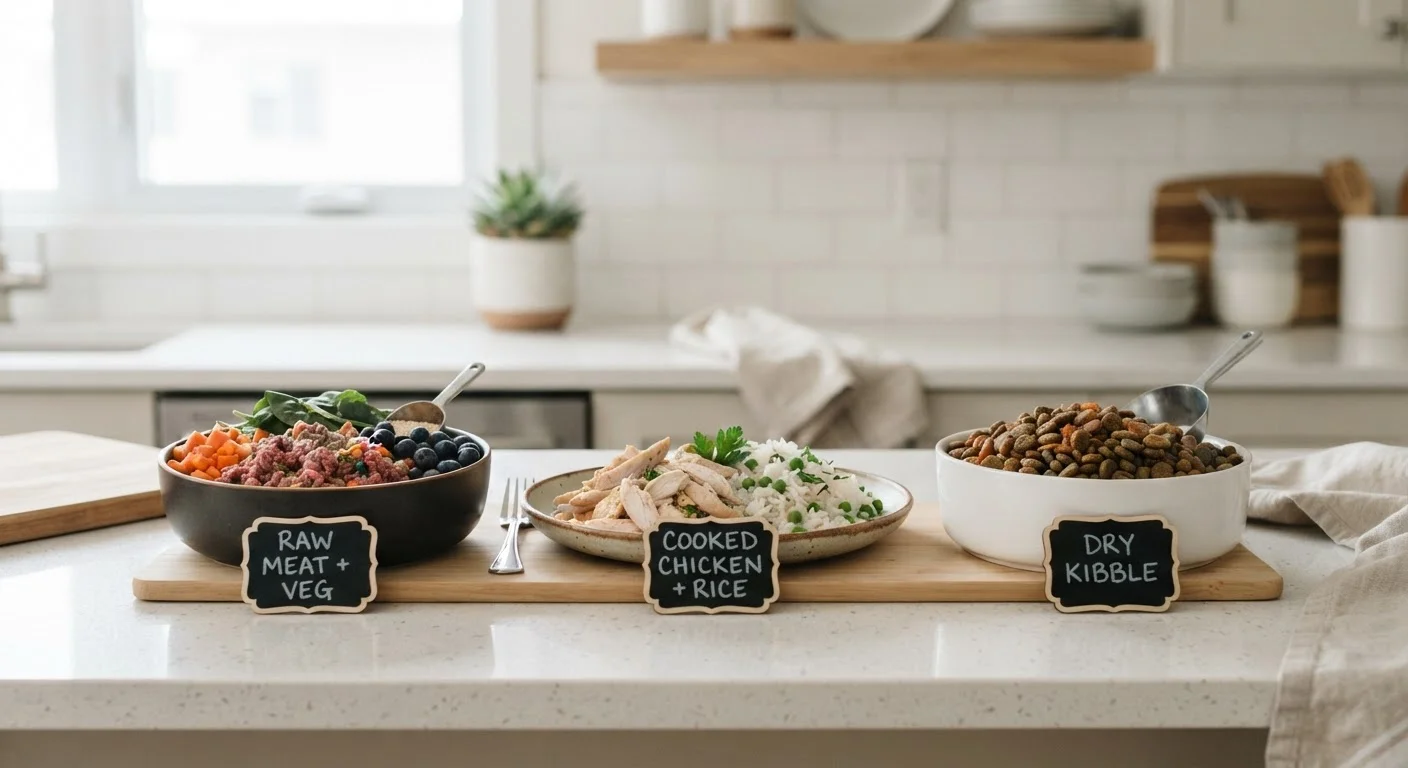
Nutrition doesn't stop at avoiding toxins. Weight management, appropriate portion sizes, and species-appropriate diets all play a role in long-term health. Our article on pet weight myths addresses how common misunderstandings can delay important care. And for a broader look at feeding philosophies, explore the raw vs. cooked vs. kibble debate to understand what current evidence and veterinary guidance actually says.
When in Doubt, Don't Feed It
If you're unsure whether a specific food is safe for your pet, err on the side of caution and skip it until you've spoken with a veterinarian. Some toxic reactions - particularly those involving grapes, xylitol, or onions - can be delayed, meaning your pet may appear fine initially. Prompt veterinary contact after any suspected ingestion is always the safest course of action.
This article is for general informational purposes only and is not a substitute for veterinary advice. Always consult a licensed veterinarian about your specific pet's dietary needs and health.