
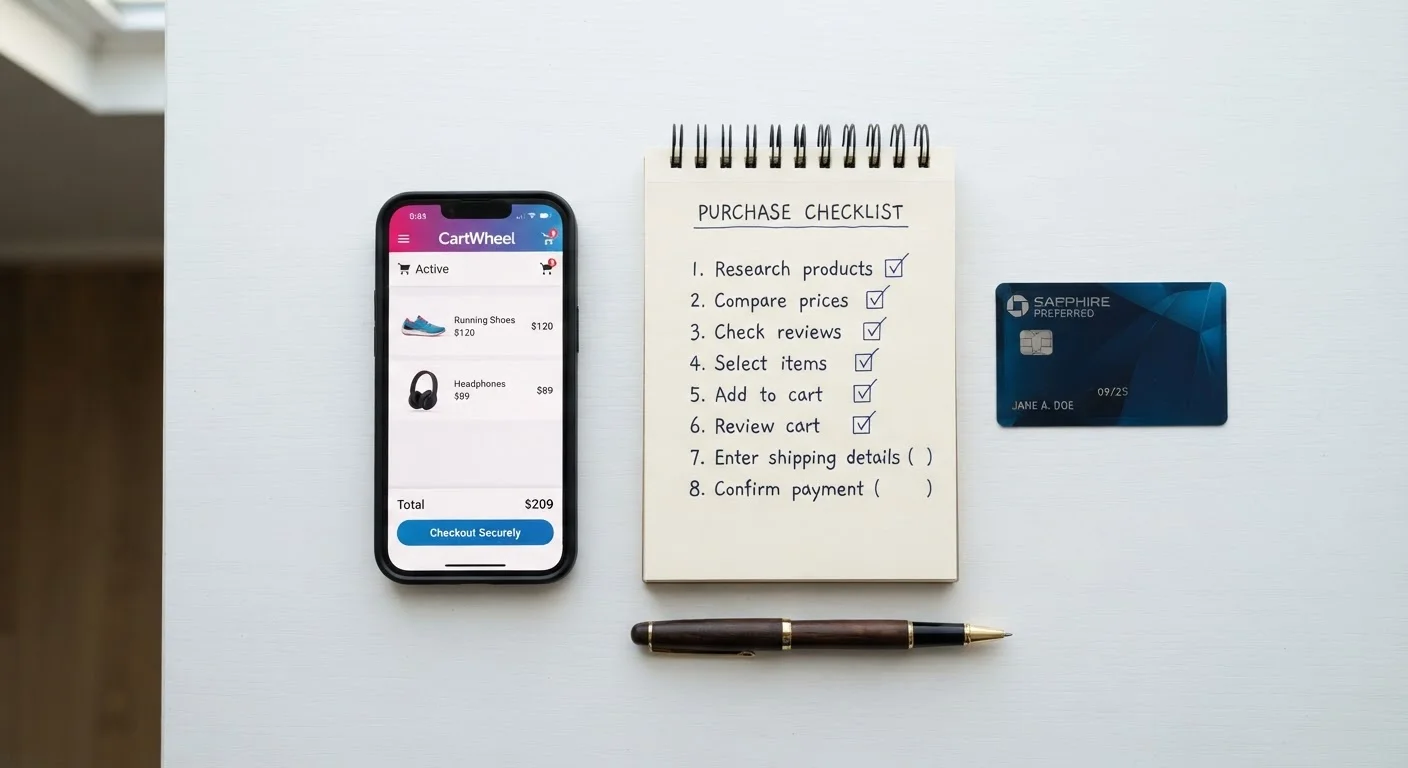
Why a Pre-Purchase Checklist Pays Off
Most of us have experienced it: an item arrives, and within days the excitement fades into mild regret. The purchase wasn't necessarily bad - it just wasn't thought through. A short, systematic check before you add something to the cart can prevent that outcome without making shopping feel like a chore.
This checklist is designed for purchases that carry some weight - think anything over $50, or any item you'll rely on regularly. For smaller impulse items, even running through three or four key questions can clarify whether you're spending intentionally or just reacting to a promotion.
For purchases tied to larger financial decisions, the Budgeting Basics hub offers practical frameworks to understand where a purchase fits within your monthly picture. And if you're evaluating a more specialized buy - like a refurbished gadget - the pre-purchase checklist for refurbished devices walks through category-specific pitfalls worth knowing.
Need & Timing
Budget & True Cost
Quality & Value
Return Policy, Warranty & Consumer Rights
Final Gut Check
How to Use This Checklist
Work through the groups in order - they build on each other. The Need & Timing group is your first filter: if a purchase doesn't clear those questions, there's little point evaluating value or logistics. The later groups assume you've decided the item is genuinely worth pursuing.
Sales Pressure Can Compress Your Decision Window
Countdown timers, "limited stock" alerts, and flash-sale framing are designed to shorten deliberation. These tactics are common across retail channels, online and off. If a deal appears to expire before you can think it through, that urgency is often part of the sales mechanics rather than a reflection of genuine scarcity. Apply the same checklist regardless of how a purchase is presented.
You don't need every item to pass with flying colors. The checklist surfaces trade-offs so you can make an eyes-open decision rather than an uninformed one. A "nice to have" item you consciously decide to purchase anyway isn't a mistake - an unexamined one might be.
Thinking about how you shop - not just what you buy - is part of a longer habit. The article Building a Smarter Shopping Habit from the Ground Up provides a broader framework around research, timing, and post-purchase reflection. And if you're weighing where to make the purchase, Online vs. In-Store Shopping: Trade-Offs Worth Thinking Through compares the key considerations by channel.
Know Your Dispute Rights Before You Pay
How you pay affects what recourse you have if something goes wrong. Credit cards issued in the U.S. typically provide chargeback rights under federal law for undelivered or significantly misrepresented items - debit cards and other payment methods may offer weaker or different protections. Understanding this before you pay is part of an informed purchase decision, not an afterthought.