
You Have More Rights Than You Think
American consumers are protected by a layered system of federal and state laws - yet most people only discover those protections after something goes wrong. Whether you're dealing with a defective product, a disputed charge, or a misleading advertisement, understanding the basics can shift the balance in your favor before you ever need to make a complaint.
This reference covers the core rights that apply to most everyday shopping situations. It is general information, not legal advice - for disputes involving significant money or complex facts, consulting a consumer-rights attorney or your state attorney general's office is worthwhile.
| Fair Credit Billing Act dispute window | 60 days from statement date (Federal Trade Commission (FTC)) |
| FTC cooling-off rule cancellation period | 3 business days (FTC Rule 16 CFR Part 429) |
| States with lemon laws | All 50 states (Coverage thresholds vary by state) |
| Magnuson-Moss warranty disclosure threshold | Products over $15 (U.S. Federal Trade Commission) |
| States with comprehensive consumer data-privacy laws | 20+ states (and growing) (As of mid-2024, National Conference of State Legislatures) |
Key Protections at a Glance
Chargebacks (credit card disputes). Under the Fair Credit Billing Act, you have the right to dispute billing errors and - in some circumstances - unauthorized or undelivered charges with your card issuer. You generally must dispute within 60 days of the statement date. The issuer is required to investigate and cannot collect the disputed amount while the investigation is pending.
The FTC's "cooling-off" rule. For door-to-door sales and certain off-premises transactions of $25 or more, federal rules give you three business days to cancel without penalty. This rule does not apply to most online or in-store purchases, so don't assume it's universal.
Lemon laws. Every U.S. state has a lemon law covering new vehicles that repeatedly fail to meet quality or safety standards despite reasonable repair attempts. Remedies typically include replacement or refund, though the exact thresholds vary by state. Used-vehicle coverage differs widely - check your state's specific statute.
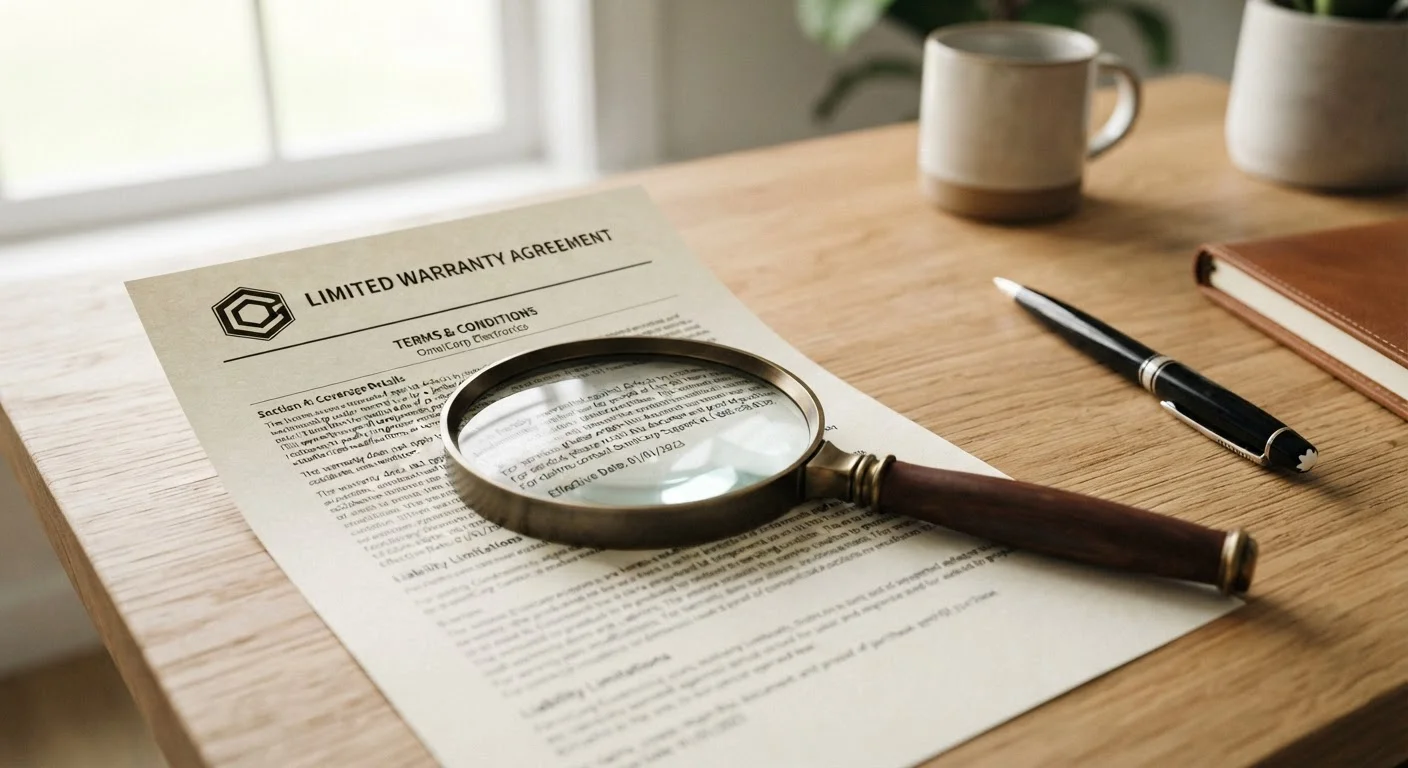
Magnuson-Moss Warranty Act. If a written warranty is offered on a consumer product costing more than $15, the law requires clear disclosure of warranty terms. It also limits how manufacturers can use warranties to strip away implied warranty protections. See our plain-language warranty guide for a fuller breakdown.
Return policies. Federal law does not mandate a specific return window - that's largely a retailer policy matter - but stores must post their policies clearly. When a return policy isn't posted, some states provide a default right to return within a set period. Our guide on retailer return policies explains what the fine print typically means.
Chargeback
A reversal of a credit or debit card transaction initiated by the cardholder's bank after a disputed charge. It is a consumer protection mechanism, not a guaranteed refund - the merchant may contest it.
Lemon Law
State statutes that entitle buyers of defective new vehicles to a replacement or refund when the manufacturer cannot fix a substantial defect after a reasonable number of repair attempts. Terms and coverage differ by state.
Implied Warranty
An unwritten, automatic legal guarantee that a product will work for its ordinary purpose. It exists under state law even if no written warranty is provided, though it can sometimes be disclaimed.
Cooling-Off Rule
A federal regulation giving consumers three business days to cancel certain door-to-door or off-premises sales contracts over $25. It does not apply to most in-store or online purchases.
CFPB
The Consumer Financial Protection Bureau - a federal agency that oversees financial products and services and accepts consumer complaints related to credit cards, loans, and banking.
Magnuson-Moss Warranty Act
A federal law governing written warranties on consumer products. It requires clear disclosure of warranty terms and restricts manufacturers from using warranties to eliminate implied warranty protections.
Privacy, Data, and Digital Purchases
Shopping online generates a significant data trail. At the federal level, sector-specific rules (such as the Children's Online Privacy Protection Act) apply in narrow contexts, but the U.S. does not yet have a single comprehensive consumer data-privacy law. Several states - California, Virginia, Colorado, and others - have enacted their own statutes giving residents rights to access, correct, or delete personal data companies hold about them.
Practically speaking, you have the right to request what data a company holds about you under applicable state law, and reputable retailers are required to honor those requests. For a deeper look at protecting your information day-to-day, see our overview of online privacy fundamentals.
State Laws Often Exceed Federal Floors
Federal consumer-protection laws set a national minimum, but many states layer additional rights on top - stronger lemon-law thresholds, broader data-privacy rights, or longer dispute windows. It is always worth checking your state attorney general's website for state-specific protections that may apply to your situation.
When and How to File a Complaint
Knowing your rights matters most when you actually need to exercise them. Here's a brief map of where complaints go:
- Credit disputes: Contact your card issuer first in writing, then the Consumer Financial Protection Bureau (CFPB) if unresolved.
- Deceptive advertising or fraud: File with the Federal Trade Commission (FTC) at ReportFraud.ftc.gov and your state attorney general.
- Product safety hazards: Report to the Consumer Product Safety Commission (CPSC) at SaferProducts.gov.
- Lemon law claims: Many states require a manufacturer arbitration step before a lawsuit; your state attorney general's office can point you to the right process.
- Data-privacy requests: Submit directly to the company first; escalate to your state attorney general if ignored.
Document everything - dates, names, amounts, and copies of correspondence. Written records dramatically strengthen any complaint or dispute.