The Hidden Cost of a Little Extra Food
Most pet owners would never intentionally harm their animals - and yet overfeeding is one of the most widespread forms of unintentional harm in daily pet care. The Association for Pet Obesity Prevention has consistently found that well over half of U.S. dogs and cats are overweight or obese. The root cause, in the majority of cases, is routine overfeeding rather than any underlying medical condition.
The danger isn't always obvious. A pet that appears content and energetic may still be taking in more calories than they burn. Excess weight doesn't accumulate overnight - it builds slowly through small, repeated overages. Understanding why weight doesn't resolve on its own is essential before those small habits compound into a chronic health problem.
Using the bag's feeding guidelines as an exact prescription rather than a baseline estimate.
Why it happens: Packaging guidelines are the most visible reference point owners have, and they're often followed without adjustment for the individual animal's age, activity, or body condition.
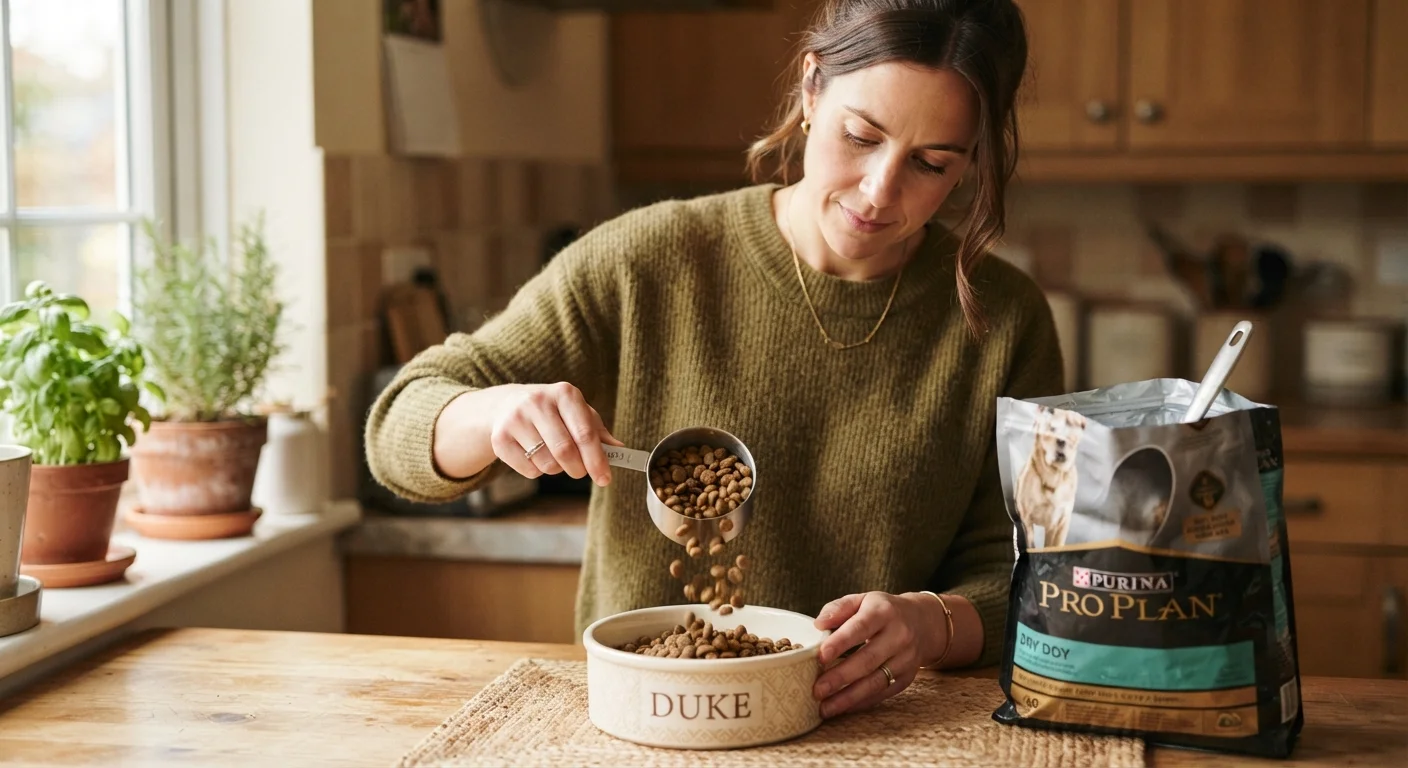
Estimating portions by eye instead of measuring with a standard cup or scale.
Why it happens: Many owners pour food directly from the bag or can, relying on a general sense of 'about a cup' that tends to drift upward over time.
Failing to count treats and extras toward the pet's total daily calories.
Why it happens: Treats feel like a separate category from meals - a gesture of affection rather than a caloric contribution - so they're rarely tracked with the same rigor.
Keeping the same portion size after switching to a new food formula.
Why it happens: Owners often assume that 'one cup of food is one cup of food,' not realizing that caloric density can differ substantially between brands or formula types.
Not adjusting portions as a pet ages or becomes less active.
Why it happens: A portion that worked well for a young, active pet is maintained by habit even as the animal slows down in middle age or after spaying or neutering reduces metabolic rate.
Why Portion Errors Are So Easy to Make
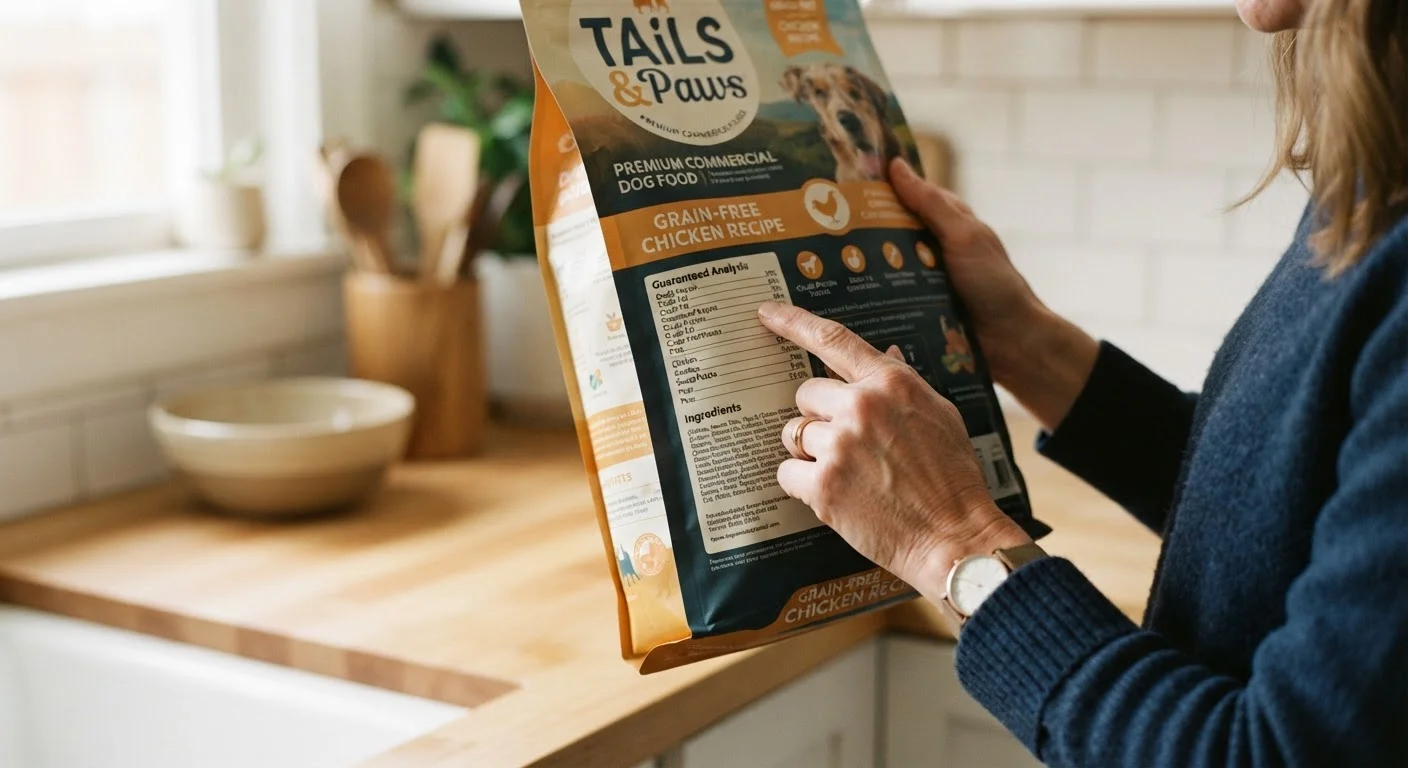
Portion mistakes aren't a sign of bad ownership - they're the predictable result of vague guidance and easy-to-misread packaging. The feeding instructions printed on commercial pet food are calculated for an average, intact adult animal at moderate activity. They don't account for your pet's neuter status, current body condition, breed metabolism, or whether they spend most of the day on the couch.
Learning to read and apply pet food label information accurately is a foundational skill every owner benefits from. Even within a single brand, caloric density varies widely between formulas - which means using the same cup scoop when you switch foods is a common and avoidable error.
~60%
U.S. dogs and cats classified as overweight or obese
The Association for Pet Obesity Prevention has tracked this figure in its annual surveys of veterinary clinical assessments across the country.
10%
Maximum recommended daily caloric share from treats
Veterinary nutritionists broadly advise that treats should account for no more than 10% of a pet's total daily caloric intake to avoid unbalancing their diet.
Treats are perhaps the most underestimated contributor. Owners who carefully measure meals often don't apply the same scrutiny to training treats, dental chews, or table scraps. Veterinary nutritionists generally recommend that treats make up no more than 10% of a pet's daily caloric intake - a threshold many pets exceed before noon.
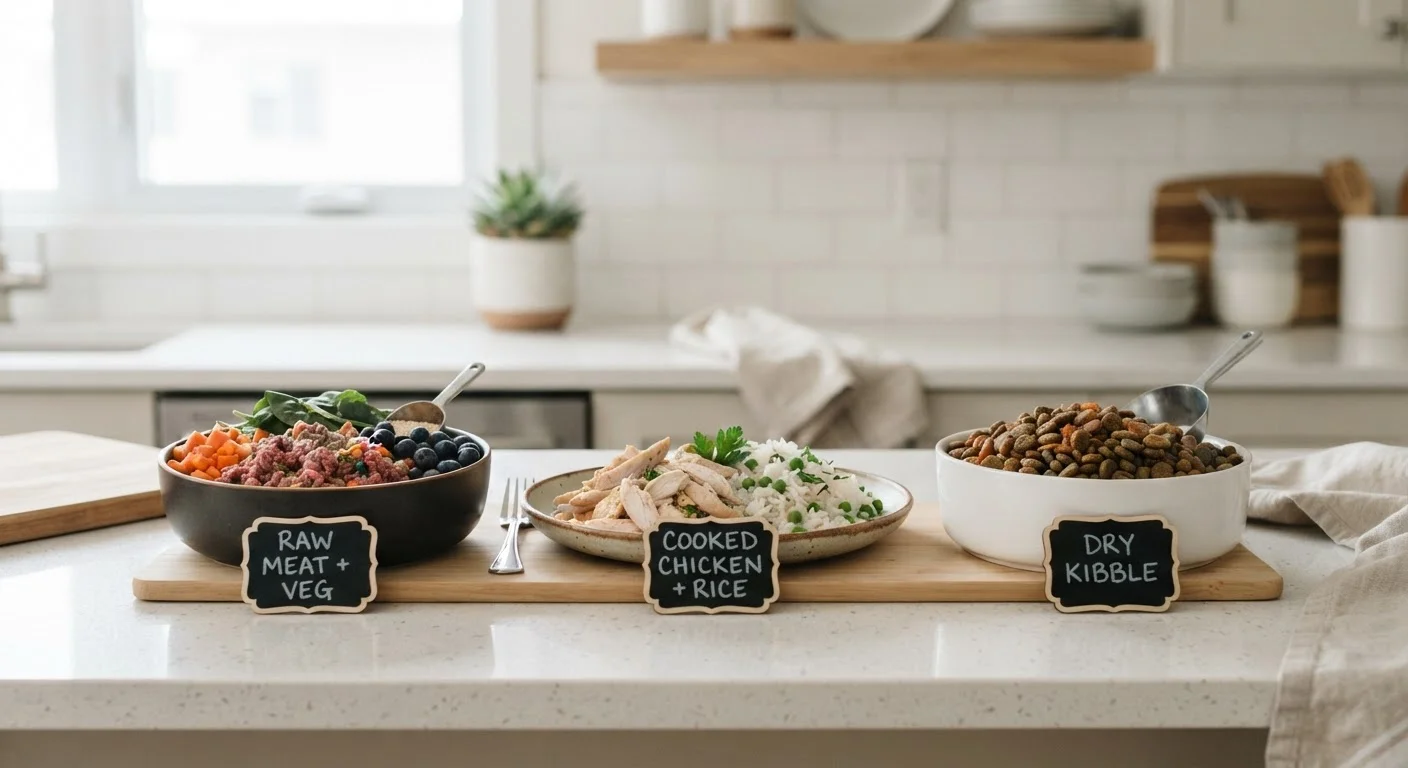
Food type also matters. Different feeding approaches - raw, cooked, and kibble carry different caloric densities and moisture content, making direct volume comparisons unreliable without knowing the caloric content per cup or per gram.
The Long-Term Health Stakes
Excess weight in pets is not a cosmetic issue. It places sustained mechanical stress on joints, accelerates the progression of arthritis, strains the cardiovascular system, and is associated with higher rates of diabetes and certain cancers in companion animals. Obese cats are particularly prone to hepatic lipidosis (fatty liver disease), a serious condition that can develop rapidly when an overweight cat stops eating - sometimes triggered by stress or illness.
Rapid Weight Loss in Cats Can Be Dangerous
If your cat is overweight, do not restrict food abruptly or drastically without veterinary supervision. Rapid caloric reduction in cats can trigger hepatic lipidosis - a potentially life-threatening liver condition. Weight loss in cats should always be gradual and monitored by a licensed veterinarian.
Chronic overfeeding also affects quality of life in ways that can be harder to quantify: reduced stamina, reluctance to exercise, difficulty grooming, and shortened lifespan. These are outcomes most owners would want to prevent - and in many cases, they are preventable through consistent, accurate portioning from early in a pet's life.
If your pet is already overweight, gradual, supervised caloric reduction is far safer than abrupt restriction. Rapid weight loss can be dangerous, especially in cats. Work with your veterinarian to set a realistic target and timeline. For a broader view of how pet health costs can shift with preventable conditions, see the real financial picture of long-term pet ownership.
This article is for general informational and educational purposes only and does not constitute veterinary medical advice. Always consult a licensed veterinarian for guidance specific to your pet's health, weight, and nutritional needs.