What Actually Happens at a Preventive Care Visit
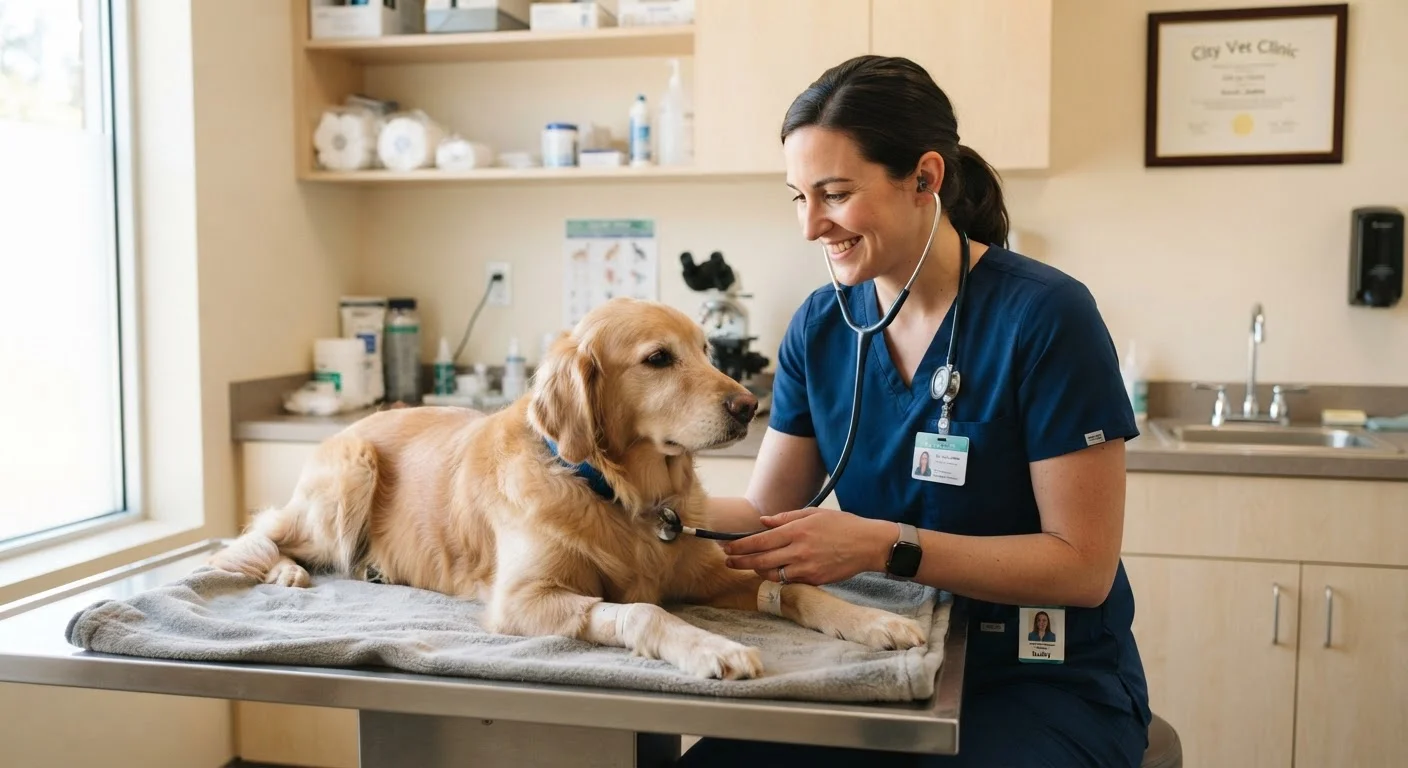
A routine wellness exam is far more than a vaccine appointment. A veterinarian conducting a full physical will assess your pet's weight, body condition score, coat and skin health, eye and ear health, lymph nodes, heart and lung sounds, dental condition, and abdomen - all within a single visit. Many of these assessments can surface early signs of disease that owners have no practical way to detect at home.
Bloodwork panels, when ordered, give vets a window into organ function - kidneys, liver, thyroid, and pancreas - before clinical signs like vomiting, weight loss, or lethargy have appeared. Early-stage kidney disease in cats, for example, is notoriously silent. A serum chemistry panel can flag abnormalities while the condition is still manageable. By contrast, cats presenting to emergency clinics in advanced renal failure have far fewer treatment options. See our Pet Care Basics hub for a broader look at building a sound foundation of daily care.
The Real Conditions Preventive Care Is Catching
Skipping routine visits doesn't mean your pet avoids these risks - it means those risks go unmonitored. Here are the specific categories of disease that regular checkups are designed to intercept:
- Dental disease: The American Veterinary Dental College estimates that most dogs and cats show signs of periodontal disease by age three. Left untreated, oral bacteria can enter the bloodstream and affect the heart, kidneys, and liver.
- Heartworm and tick-borne disease: Both are detectable through annual blood screening and largely preventable with consistent parasite prevention protocols - protocols your vet calibrates for your region.
- Obesity and metabolic disease: A vet visit includes a formal body condition assessment. Obesity in pets is a documented risk factor for diabetes, arthritis, and shortened lifespan. Early intervention is straightforward; managing the downstream conditions is not.
- Early-stage cancers: Some tumor types, particularly in dogs, are palpable long before they cause visible symptoms. Routine palpation during a physical exam is how many of these are found at a treatable stage.
Catches silent diseases before symptoms appear
Conditions like early kidney disease, hypothyroidism, and certain cancers produce no obvious signs in their early stages. Bloodwork and physical exams provide the only reliable way to detect them at a treatable point.
Prevents expensive emergency interventions
Treating an established disease almost always costs more - sometimes dramatically more - than managing or preventing it early. Dental extractions, hospitalization for parasitic infection, and cancer surgery are avoidable outcomes for many pets who receive consistent care.
Keeps parasite prevention calibrated to local risks
Heartworm, Lyme disease, and flea-borne illnesses vary significantly by geography and season. A vet familiar with your region provides prevention protocols matched to your actual risk environment.
Builds a health baseline for your individual pet
Annual labs and exams create a documented record of your pet's normal values. When something changes, your vet can compare against that baseline rather than guessing what's typical for your animal.
Supports longer, higher-quality lifespan
Pets receiving regular preventive care are more likely to have conditions managed before they become debilitating. Controlled dental disease, maintained weight, and monitored organ function each contribute to measurable quality-of-life outcomes.
For a practical approach to monitoring your pet's health between appointments, building a home care routine is one of the most effective complements to professional preventive care.
Honest Drawbacks Worth Knowing
Preventive care is genuinely valuable, but it isn't a perfect system. Understanding its limitations helps owners make realistic decisions rather than operate on blind faith.
Upfront cost is real, even for healthy pets
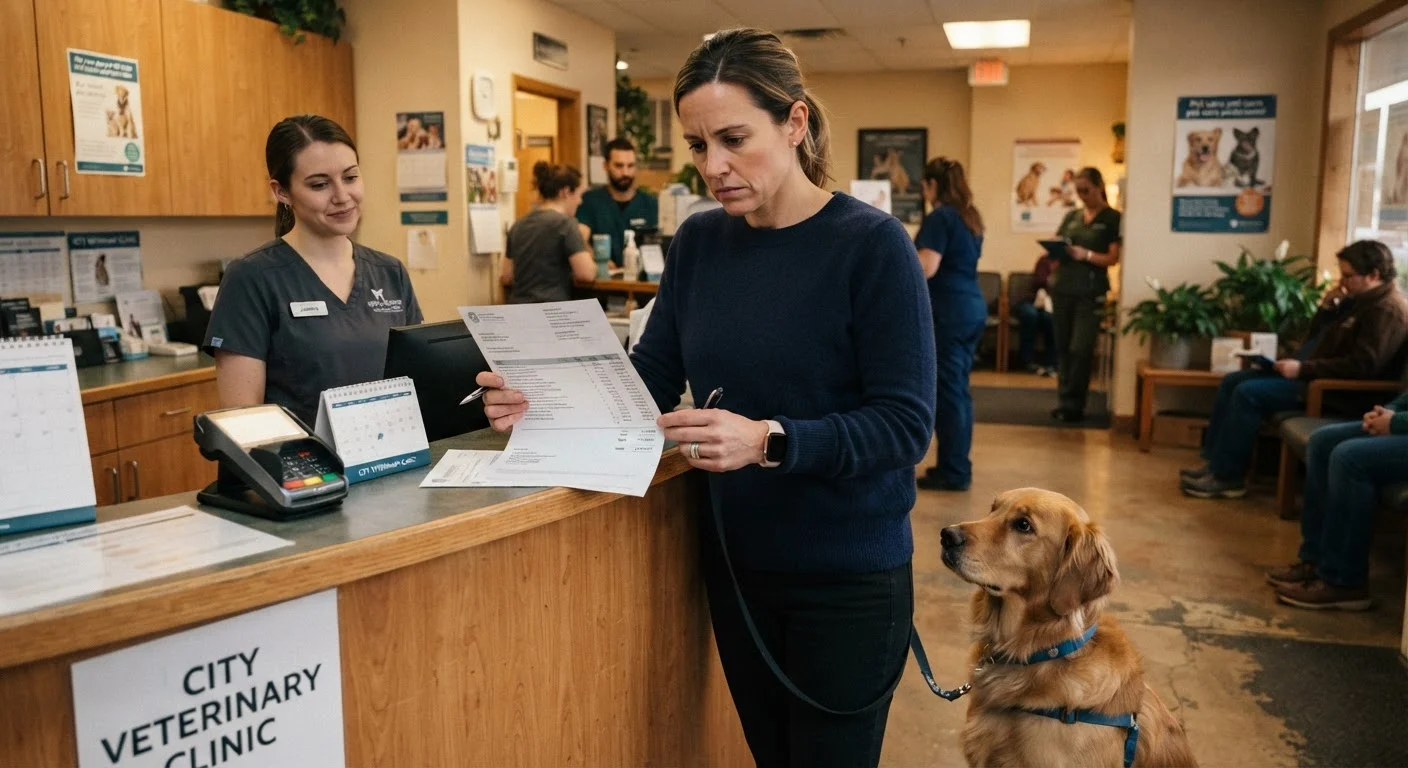
A routine wellness exam with standard bloodwork and vaccines can run $150-$400 or more depending on location and what's included. For owners on tight budgets, this is a genuine barrier that doesn't disappear simply by emphasizing long-term value.
Not every finding leads to a clear answer
Bloodwork abnormalities sometimes prompt additional testing without producing a definitive diagnosis. This diagnostic uncertainty can be stressful and may involve additional cost before a conclusion is reached.
Preventive care cannot eliminate all health risk
Genetics, environment, and chance mean that some pets develop serious illness despite exemplary preventive care. Owners should have realistic expectations - routine care reduces risk, it does not eliminate it.
Frequency requirements increase with age
Senior pets typically need biannual exams and more comprehensive bloodwork panels. The time and cost commitment increases precisely when many pet owners' animals are middle-aged or older.
Low-Cost Preventive Care Options Exist
Veterinary school teaching hospitals, nonprofit animal clinics, and humane society wellness programs often provide exams and vaccines at reduced cost. These services are supervised by licensed professionals and can be a practical option for owners managing tight budgets. Ask your local shelter or humane society what programs operate in your area.
Cost is the most commonly cited reason owners delay or skip routine vet visits. If upfront cost is a barrier, options like wellness plans, veterinary schools, and low-cost clinic programs may help. Strategies for keeping routine care costs manageable are available and worth exploring before a visit gets deferred indefinitely.
Preventive Care and the Cost Equation
The financial case for preventive care is built on one straightforward principle: catching a condition in stage one is almost always cheaper than treating it in stage three. A routine dental cleaning under anesthesia runs a fraction of the cost of extracting infected teeth and managing a secondary kidney infection. Annual parasite prevention costs less than a single heartworm treatment protocol, which spans months and carries health risk for the animal.
~80%
Dogs with dental disease by age 3
The American Veterinary Dental College notes the majority of dogs and cats show signs of periodontal disease by age three, making dental exams a critical part of routine care.
6x
Cost ratio: heartworm treatment vs. prevention
Veterinary cost estimates consistently show that heartworm treatment can cost six or more times as much as an annual prevention protocol, and treatment carries significant health risk to the dog.
That said, preventive care does have an upfront cost, and it's fair to plan for it. A clear picture of where vet costs come from helps owners build a realistic budget rather than being caught off guard. For owners weighing whether insurance coverage makes sense alongside preventive visits, understanding what pet insurance actually covers is a logical next step.
This article provides general pet health information for educational purposes only and is not a substitute for professional veterinary advice. Always consult a licensed veterinarian for guidance specific to your pet's health needs.