
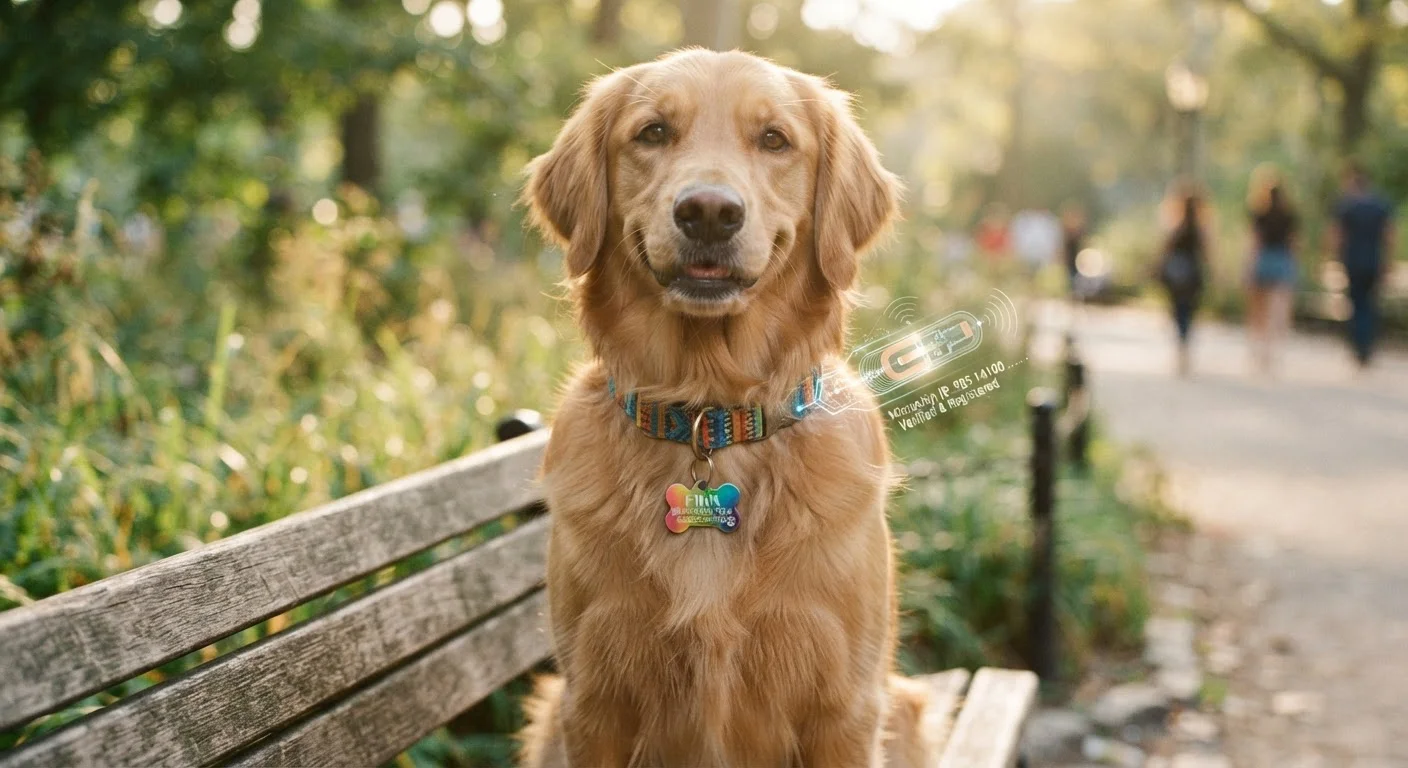
Why Pet Identification Matters More Than Many Owners Realize
Millions of pets enter animal shelters across the United States each year after becoming lost. According to the American Humane Society, roughly one in three pets will go missing at some point during their lifetime. Despite this, a significant share of lost animals arrive at shelters without any reliable identification - dramatically reducing their chances of being reunited with their families.
Pet identification isn't a single product decision. It's a layered strategy involving permanent methods, wearable options, and increasingly, digital technology. Understanding the real-world strengths and limitations of each approach helps owners make practical choices - not just reactive ones. This is especially relevant for pets with outdoor access; see our guide on indoor vs. outdoor pet lifestyle tradeoffs for related context.
1 in 3
Pets that go missing in their lifetime
According to the American Humane Society, approximately one in three pets will become lost at some point during their lives.
~52%
Microchipped dogs returned to owners
A peer-reviewed study published in the Journal of the American Veterinary Medical Association found microchipped dogs were returned to owners at significantly higher rates than those without chips.
Microchips: The Permanent Record
A microchip is a small radio-frequency identification (RFID) device - roughly the size of a grain of rice - implanted beneath a pet's skin, typically between the shoulder blades. The procedure is quick, comparable to a routine vaccination, and is widely available through veterinary offices and many shelters.
When a lost pet is scanned by a shelter or veterinary clinic, the chip returns a unique ID number. That number is cross-referenced against a pet recovery database to retrieve owner contact information - but only if the owner has registered the chip and kept the information current. An unregistered microchip provides no useful identification.
Microchips don't transmit location data and can't be used to track a pet in motion. They are passive devices that only respond when actively scanned. Chip standards can also vary, and not all scanners read all chip frequencies, though universal scanners have become more common.
Register and Update Your Microchip
A microchip is only as useful as the contact information linked to it. After implantation, register the chip number with a national pet recovery database and update your contact details any time you move or change phone numbers. Many reunification failures occur simply because registration was never completed or became outdated.
ID Tags: Immediate and Visual
Collar ID tags remain the fastest identification method in practice. When a neighbor, passerby, or good Samaritan finds a lost pet, they don't have a microchip scanner - but they can read a phone number on a tag. Tags create an immediate path home that bypasses the shelter system entirely.
The limitations are physical: tags can fall off, wear down until unreadable, or go missing with a broken collar. Engraved information also becomes outdated when owners move or change numbers. Regularly checking that tags are secure and legible is a simple but often overlooked step in routine pet care - the kind of practical detail covered in our pet care basics hub.
Tag materials vary widely. Stainless steel generally holds up better than aluminum in outdoor conditions. Some owners use QR code tags that link to an online profile, allowing more information than a standard engraved tag can carry.
| Microchip | ID Tag | GPS Tracker | |
|---|---|---|---|
| Permanence | Lifetime (implanted) | Until lost or worn out | Until battery dies or device fails |
| Real-time location | No | No | Yes |
| Upfront cost (approximate) | $25-$75 (vet procedure) | $5-$20 | $30-$150+ |
| Ongoing cost | None after registration | Replacement as needed | Monthly/annual subscription |
| Works without shelter/scanner | No - scanner required | Yes - readable by anyone | Yes - app-based |
| Risk of loss or failure | Very low | Moderate (can fall off) | Moderate (battery, cellular) |
| Registration required | Yes - critical step | No | Yes - app account |
GPS Trackers: Active Recovery Technology
GPS pet trackers attach to a collar and transmit real-time or near-real-time location data to a smartphone app. For escape-prone dogs or cats with outdoor access, they allow owners to locate a pet before it ever reaches a shelter - a meaningful advantage over passive methods.
The tradeoffs are ongoing rather than one-time. GPS trackers require charging, and battery life ranges from roughly 24 hours to several days depending on the device and usage. Most also require a monthly or annual subscription for cellular network access. These costs are worth factoring in as part of overall pet ownership expenses - something many first-time owners underestimate, as explored in our article on overlooked pet ownership expenses.
GPS accuracy can be affected by dense foliage, urban canyons, or indoor environments. Trackers also add weight to a collar, which may be a consideration for small pets.
This article provides general educational information about pet identification options and is not a substitute for guidance from a licensed veterinarian. Consult your vet for recommendations specific to your pet's size, health, and lifestyle.