Why a Pre-Trip Walkthrough Pays Off
A long road trip puts significantly more stress on your vehicle than everyday commuting. Higher sustained speeds, longer running times, and varied road conditions all accelerate wear on components that may already be marginal. The good news: most problems that cause breakdowns give you warning signs ahead of time - you just have to look for them.
This checklist is designed for drivers heading out on trips of roughly 200 miles or more. It's not a substitute for scheduled maintenance, but it is a structured way to catch overlooked issues before they strand you. If you're newer to vehicle ownership, our car ownership fundamentals guide walks through the basics of routine upkeep that complement this kind of pre-trip review.
Plan to run through this walkthrough the day before your departure - not the morning of - so you have time to address anything you find.
Tires
Fluids
Lights and Visibility
Battery and Electrical
Brakes and Belts
Emergency Supplies
Tools and Supplies You'll Need
You don't need a full garage setup to run this check. Most items are low-cost and available at any auto parts store. Having them on hand not only helps with the pre-trip inspection but also ensures you're prepared if something goes wrong mid-journey.
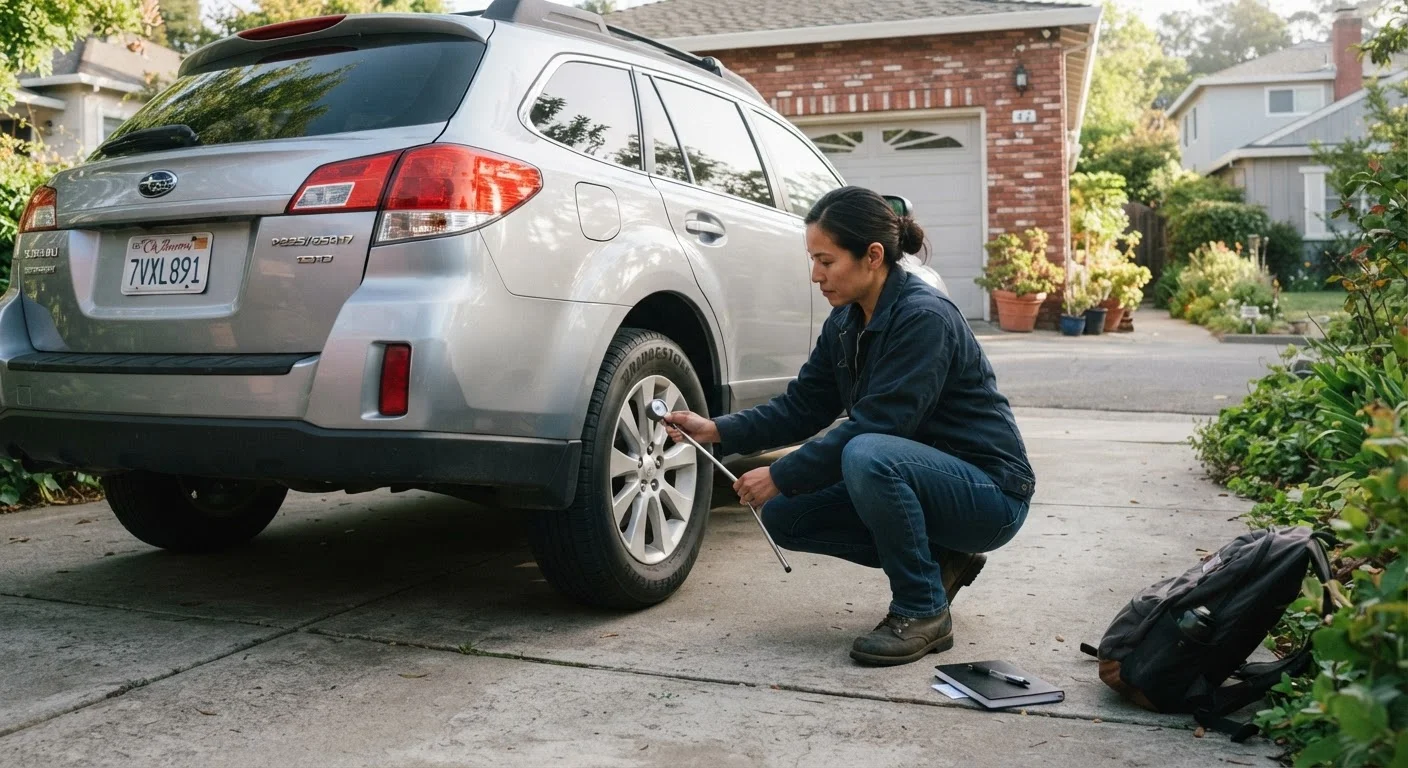
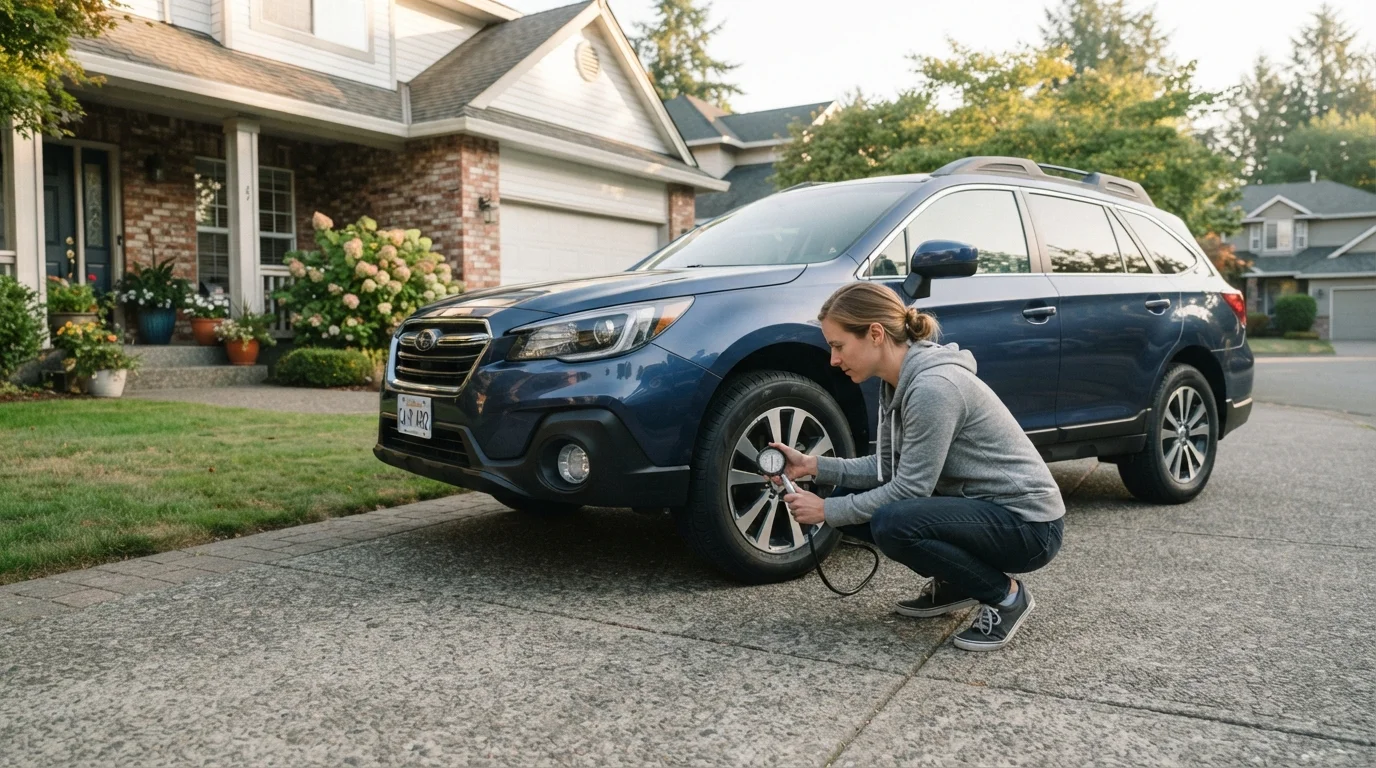
Tire Pressure Gauge
Accurately measures PSI in each tire so you can inflate to the correct specification.
Flashlight or Work Light
Lets you inspect underneath the vehicle, inside the engine bay, and check lights in low-visibility conditions.
Penny or Tread Depth Gauge
Quick, reliable method for checking whether tire tread is worn past a safe threshold.
Jump Starter Pack
Allows you to restart a dead battery without needing another vehicle - essential for solo travel on remote routes.
Fluid Top-Off Supplies
Engine oil, coolant, and washer fluid in sealed containers allow you to address low levels on the spot.
Windshield Washer Fluid
Keeps your windshield clean during long highway stretches where road spray and bug debris accumulate quickly.
For a deeper look at what to carry for roadside emergencies, the pre-trip vehicle safety check covers quick-departure essentials that pair well with this more detailed walkthrough.
What to Do If You Find a Problem
When in Doubt, See a Mechanic First
This checklist is designed to help you identify potential issues - it is not a substitute for professional mechanical inspection. If you find anything during your walkthrough that you're unsure about, have a qualified mechanic assess it before your departure. Attempting to diagnose or repair brake, suspension, or electrical problems without proper training and tools can result in injury or further vehicle damage.
Not everything you find will require immediate repair. A slightly low washer fluid? Top it off and move on. Worn wiper blades? A five-minute swap at any auto parts store. But some findings-spongy brakes, a tire with visible cord damage, a battery that struggles to turn over, or a warning light you can't explain-require a qualified mechanic's attention before you depart.
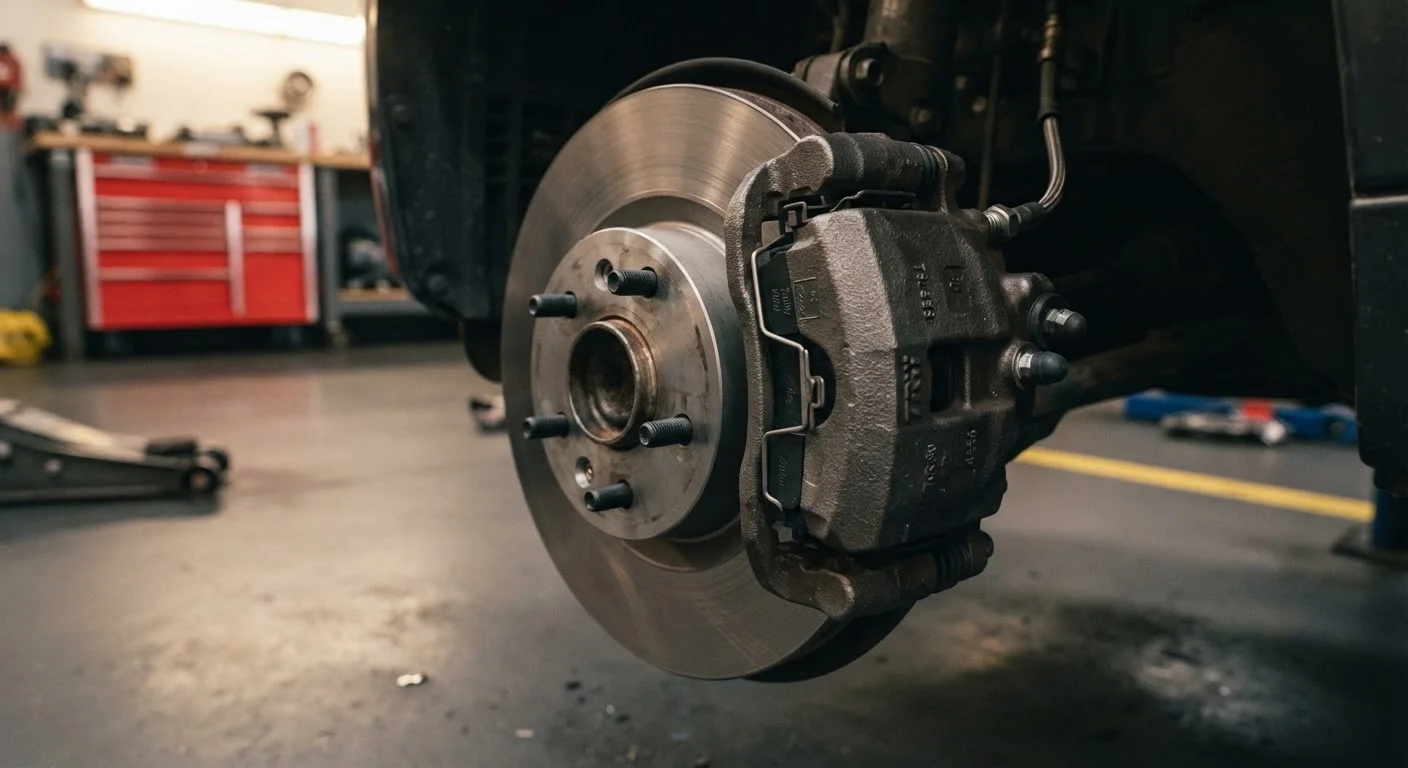
Brakes in particular deserve a professional eye if you have any doubt. Understanding brake wear and early warning signs can help you recognize symptoms, but diagnosis and repair should always be handled by a licensed technician.
Similarly, if your battery is more than three to four years old or you've noticed slow cranking, learn the early indicators of a weakening battery before assuming it'll hold up for a multi-state drive. For long hauls through variable weather, also review how rain, snow, and fog change your driving demands - your vehicle prep and your driving habits work together.
Don't Ignore Dashboard Warning Lights
A check engine light, oil pressure warning, or temperature gauge spike are not lights to reset and ignore before a long drive. These signals indicate the vehicle's onboard diagnostic system has detected a fault. Driving hundreds of miles with an undiagnosed fault can turn a minor fix into major engine damage. Have the code read - many auto parts stores do this at no charge - and understand what it means before you go.