What Defensive Driving Actually Means
Defensive driving is the practice of operating a vehicle in a way that anticipates hazards before they become emergencies. The word defensive doesn't mean timid or overly cautious - it means you're not waiting for danger to announce itself. You're constantly reading traffic, road conditions, and the behavior of other drivers so you have time and space to respond.
The concept was formalized in driver education during the mid-20th century, and it remains the basis for safe driving instruction today. At its core, the idea is straightforward: assume that other drivers will make mistakes, that road conditions can change without warning, and that your job is to account for those realities before they force a reaction.
Situational awareness
The ability to continuously perceive and understand what's happening around your vehicle - including other drivers, road conditions, and potential hazards - so you can respond before problems escalate.
Following distance
The gap between your vehicle and the one ahead, measured in time rather than feet. A larger gap gives you more room to react if the vehicle in front stops suddenly.
Hazard perception
The mental skill of identifying potential dangers on the road - a pedestrian about to step off a curb, a car drifting toward your lane - before they require emergency action.
Escape route
An available space or path you identify in advance that you could move into safely if a hazard appears directly ahead or beside you.
Scanning
The practice of moving your eyes systematically across mirrors, ahead, and the surrounding environment at regular intervals, rather than fixing your gaze in one place.
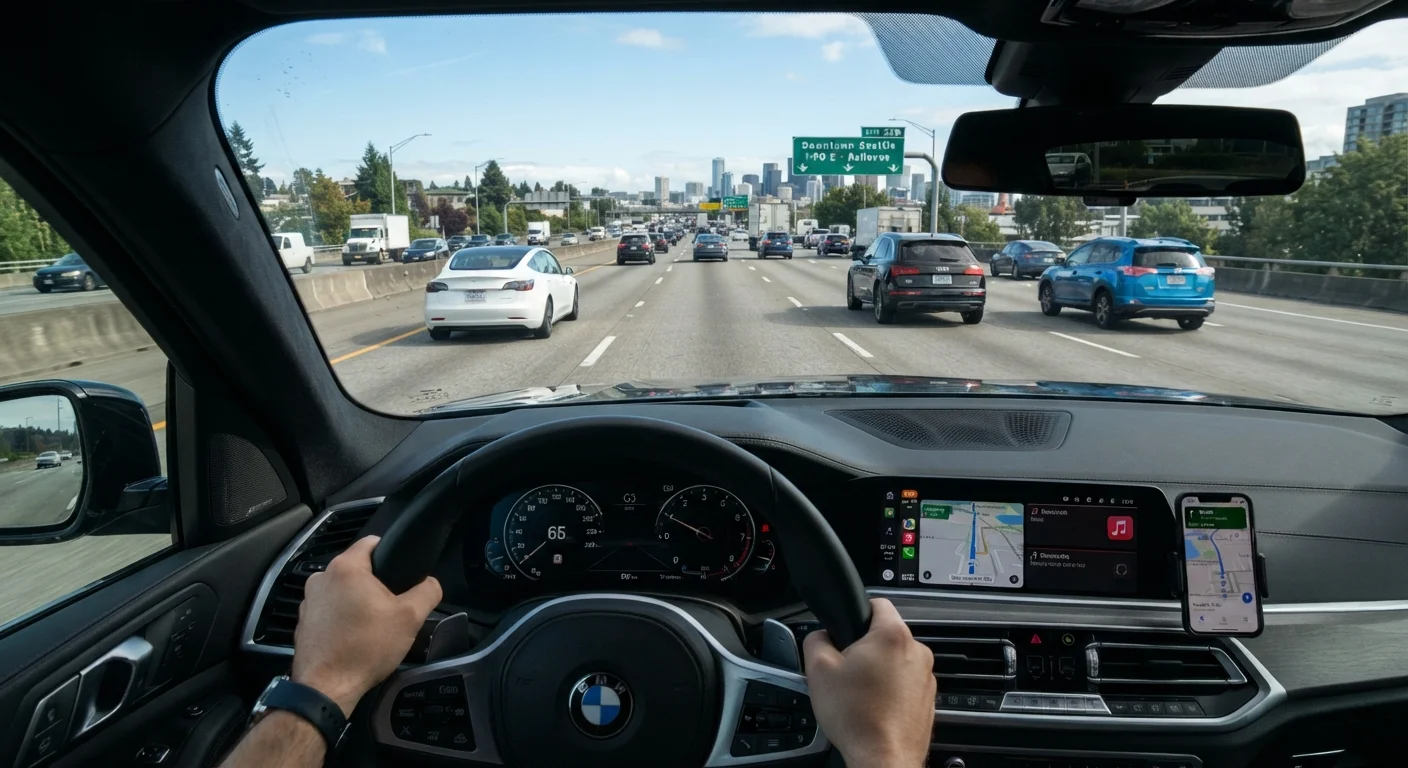
This is fundamentally different from simply following traffic laws. A driver who signals properly and stays in their lane is technically compliant - but a defensive driver is also scanning four to six seconds ahead, tracking the vehicle in their blind spot, and thinking about what happens if the car ahead stops suddenly.
Why Attitude Is the Foundation
Technique matters, but attitude determines whether you actually use it. The most common failure mode among drivers isn't ignorance of safe practices - it's the belief that those practices apply more to other people than to themselves. Researchers studying driver behavior consistently find that most drivers rate themselves as above average, a statistical impossibility that reflects overconfidence rather than skill.
Defensive driving requires a specific mental posture: patience, humility, and a genuine acceptance that you can't control other drivers. Road frustration - the kind that makes you speed up to teach someone a lesson or tail an aggressive driver - is the direct opposite of that posture. The relationship between road rage and aggressive driving is worth understanding, because the line between frustration and dangerous behavior is shorter than most drivers realize.
Reframe other drivers' mistakes
When another driver cuts you off or brakes unexpectedly, resist the urge to respond emotionally. Instead, treat it as a useful data point: proof that unpredictable behavior is real, and that your following distance and scanning habits are worth maintaining. This mental reframe keeps you focused on safety rather than frustration.
A useful reframe: every time another driver does something unpredictable or frustrating, treat it as a reminder that the road is shared with people who are distracted, tired, confused, or in a hurry. That isn't pessimism - it's realistic situational awareness, and it keeps you out of the emotional state where crashes happen.
Core Techniques Every Driver Should Know
With the right mindset in place, the techniques of defensive driving follow naturally. These aren't exotic skills - they're structured habits applied consistently:
- Scan ahead continuously. Look 10-15 seconds down the road in city driving, further on the highway. This gives you time to adjust before problems reach you.
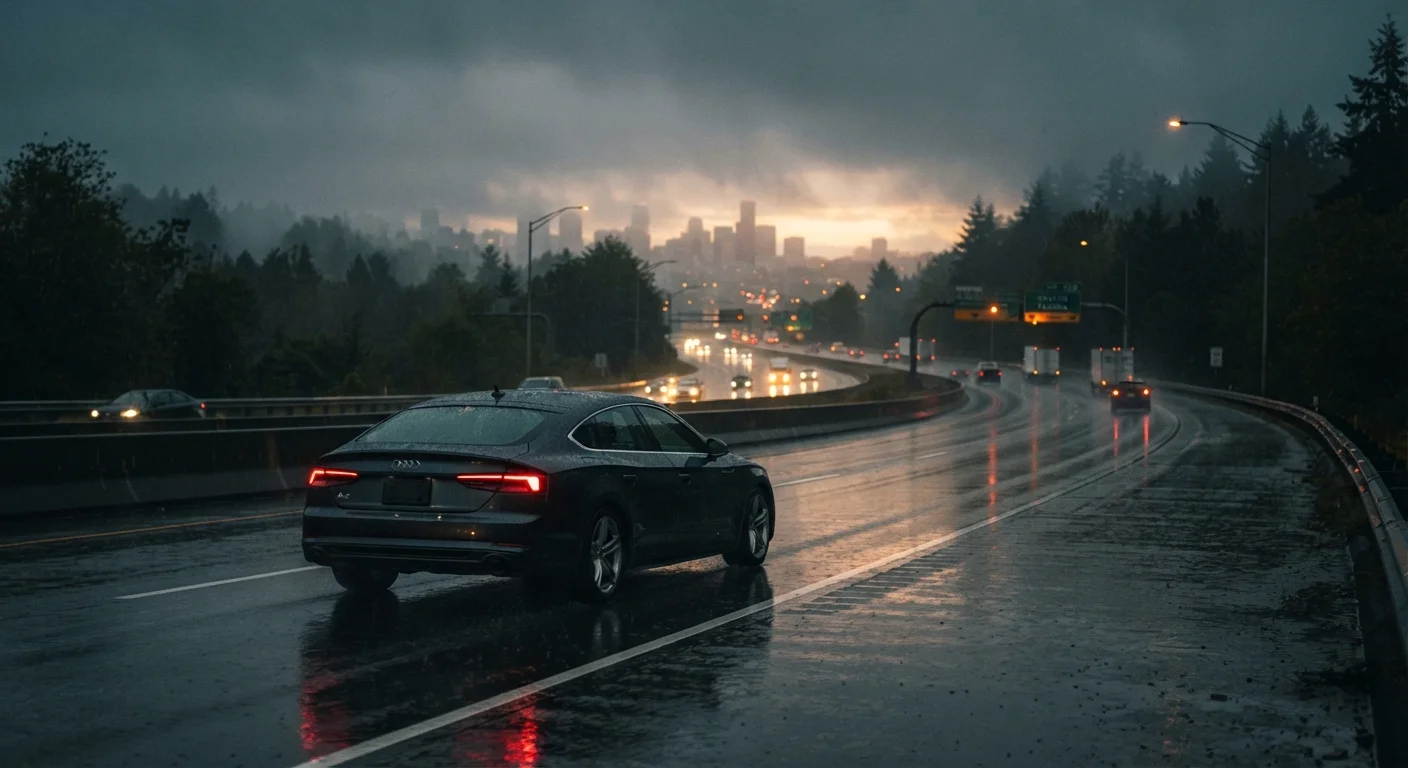
- Maintain a following distance buffer. The three-second rule (count the gap between you and the car ahead using a fixed landmark) is the baseline. In rain, fog, or heavy traffic, extend it. See our guide to driving in rain, snow, and fog for condition-specific adjustments.
- Check mirrors every five to eight seconds. You need a continuously updated picture of what's around you, not just what's ahead.
- Control your speed for conditions. Posted limits reflect road design and policy - not always the safest speed for current conditions. Understanding what speed limits actually represent helps you make better-informed decisions.
- Identify escape routes. At any moment, know where you could go if the car ahead stopped suddenly or a hazard appeared in your lane.
Defensive driving also benefits your vehicle. Smooth, anticipatory driving reduces abrupt braking and hard acceleration - habits that extend brake life and keep stopping distances predictable.
Where Defensive Driving Gets Tested
Some environments compress reaction time and raise the stakes considerably. These are the situations where defensive habits matter most:
Intersections are among the highest-risk locations on any road. Signal compliance and right-of-way rules provide structure, but they don't guarantee that other drivers are paying attention. The behaviors that make intersections dangerous often come down to assumptions - about who's stopping, who sees you, who has the light. Pause before entering even on green; scan cross-traffic before committing.
Highway merging and lane changes test your ability to read gaps in fast-moving traffic while managing your own speed and position. Overconfidence in these moments is a common crash trigger. The principles behind safer highway merging center on matching speed before entering a lane and communicating intent clearly.
Distraction is the underlying risk in nearly every scenario. If your attention is divided - by a phone, conversation, or mental preoccupation - the scanning and anticipation that defensive driving depends on simply stops. Research on distracted driving makes clear that hands-free calling is not the safe alternative many assume it to be.
Fatigue Is a Serious Driving Impairment
Driving while sleep-deprived is not a minor inconvenience - it meaningfully slows reaction time and impairs judgment. If you're too tired to maintain focus, pull over safely and rest. No destination is worth the risk of microsleep behind the wheel.
Fatigue deserves equal weight. Drowsiness impairs reaction time and judgment in ways that closely parallel alcohol impairment. What the research shows about drowsy driving should inform how seriously you treat pre-drive sleep and long-distance trip planning.
Building the Habit Over Time
Defensive driving isn't a one-time lesson - it's a practice. Most drivers start with the basics and gradually internalize them until they become automatic. The process is accelerated by deliberate attention: after each drive, briefly reflect on moments where you were caught off guard, where your following distance felt tight, or where you entered an intersection without fully checking cross-traffic.
Sharing the road with cyclists and pedestrians is part of the same practice. These interactions require predicting the movement of people operating on very different assumptions than drivers - a skill that develops with experience and attention. Our guide to sharing the road with vulnerable users covers the specifics.
The goal isn't perfection on day one. It's a gradual shift in how you think about the road - from a space you move through to a shared environment you actively manage. Drivers who make that shift don't just have fewer close calls; they tend to arrive calmer, with vehicles that last longer and insurance records that reflect it.