How Brakes Wear - and Why It Matters
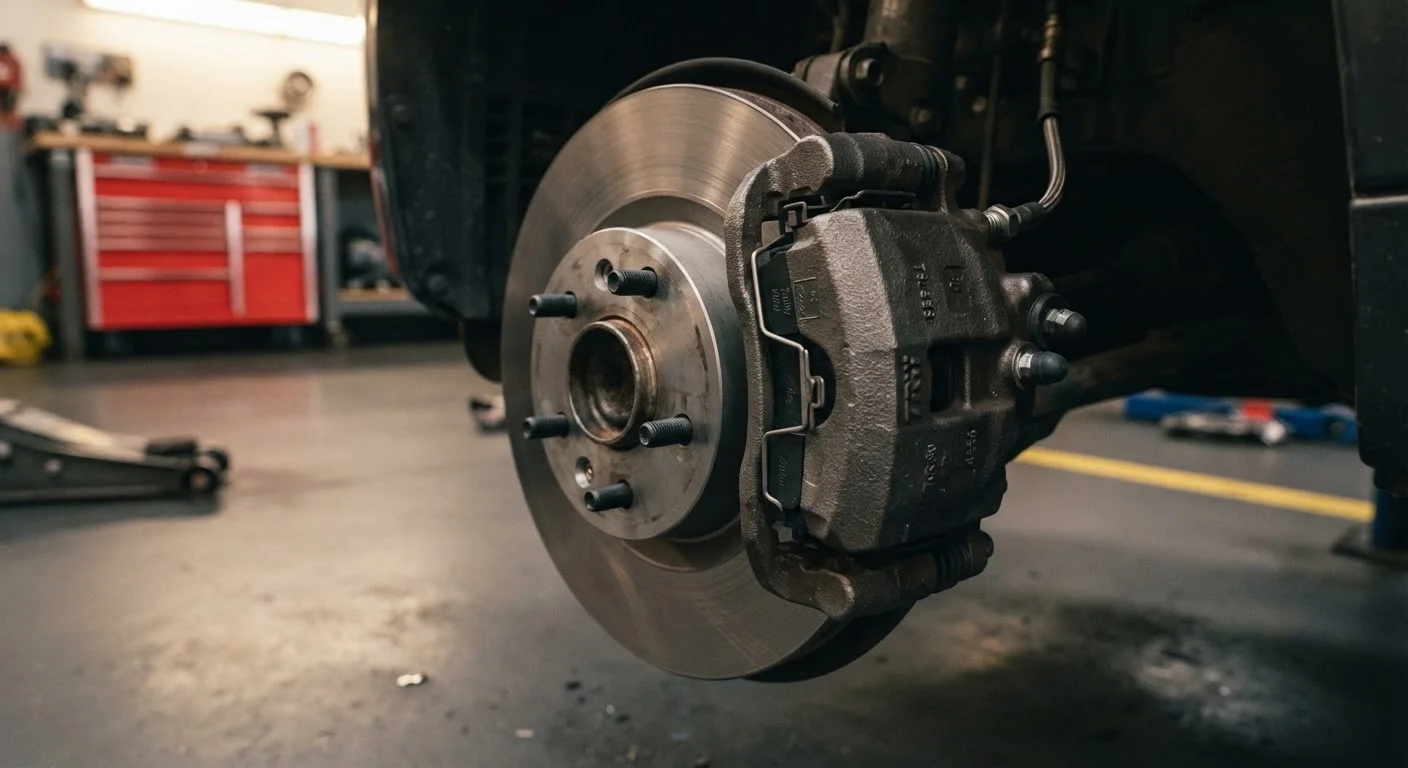
Your brakes are consumable components - they're designed to wear down over time. But how quickly that happens is largely within your control. Friction between your brake pads and rotors generates the stopping force you depend on, and every hard stop accelerates material loss from both surfaces.
Brake wear isn't just a maintenance cost - it's a safety issue. Worn pads reduce stopping power and can damage rotors, turning a straightforward pad replacement into a more expensive rotor replacement job. Understanding what drives wear gives you the tools to slow it down.
For a broader look at how your brake system fits into overall vehicle health, see our pre-trip mechanical walkthrough before any long drive.
Increase following distance to reduce hard braking frequency
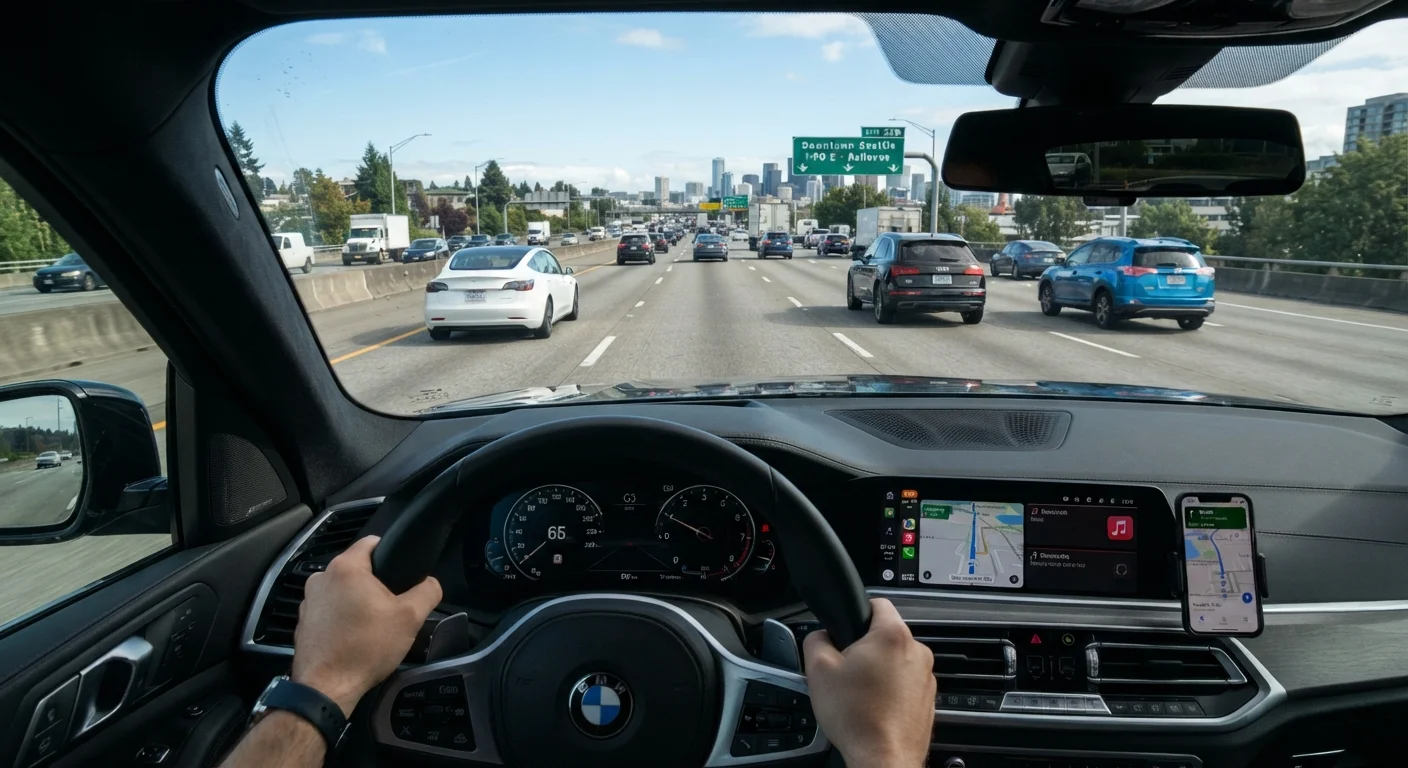
The more space you maintain behind the vehicle ahead, the more time you have to decelerate gradually. Hard, last-second stops generate far more heat and friction than progressive slowdowns - and heat is the primary driver of brake wear.
Brake progressively - apply pressure smoothly and release gradually
Smooth, steady brake application distributes heat more evenly across the pad and rotor surfaces, reducing concentrated wear and the risk of rotor warping. Abrupt, aggressive stops spike temperatures rapidly.
Reduce vehicle load whenever possible
Heavier vehicles require more braking force to stop, meaning more friction, more heat, and faster pad wear. Carrying unnecessary weight - roof cargo, trunk loads - raises the energy your brakes must absorb on every stop.
Use engine braking on long downhill grades
Holding the brake pedal down on sustained descents builds up heat that brake fluid and pads struggle to dissipate, a condition sometimes called brake fade. Shifting to a lower gear - or using L or engine-braking modes in automatics - offloads work from the friction system.
Avoid resting your foot on the brake pedal while driving
Even slight, constant pressure on the brake pedal - sometimes called 'riding the brakes' - keeps pads in partial contact with rotors, generating friction and heat continuously without meaningful stopping effect.
Driving Habits That Make the Real Difference
Most brake wear happens in ordinary daily driving - not emergencies. That means your everyday habits have far more impact than any single hard stop. The good news: adjusting how you drive costs nothing and pays off quickly.
Defensive driving principles reinforce these habits. Anticipating what traffic will do ahead of you is at the heart of smooth, efficient braking. Our guide on defensive driving mindset goes deeper on that approach.
Maintenance Checks You Shouldn't Skip
Even with good driving habits, your brakes need periodic inspection. Pads have a finite lifespan, rotors can warp or score, and brake fluid absorbs moisture over time - degrading its boiling point and hydraulic performance.
25-65K
Miles typical brake pads last
Brake pad lifespan varies widely based on driving style, vehicle weight, and pad material - with city drivers often landing at the lower end of that range.
2-3 yrs
Typical brake fluid flush interval
Many manufacturers recommend flushing brake fluid every two to three years regardless of mileage, as moisture absorption degrades performance over time.
Brake fluid is one of the most overlooked fluids in a vehicle. Our guide to car fluids explains how to check brake fluid condition and what to watch for. Always follow your vehicle manufacturer's recommended flush interval rather than waiting for symptoms.
Pad Type Affects Wear Rate Too
Brake pads come in several material types - organic, semi-metallic, and ceramic are the most common. Each offers different trade-offs in stopping performance, noise, dust output, and longevity. Your vehicle's owner's manual or a trusted mechanic can clarify which type is appropriate for your driving pattern. Switching pad types without understanding the implications can affect both performance and rotor compatibility.
If your brake warning light illuminates, don't dismiss it. It may indicate low fluid level, pad wear sensor activation, or a hydraulic issue - all of which warrant prompt inspection by a qualified mechanic.
Schedule a Brake Inspection Annually
Even if you're not experiencing symptoms, having a mechanic measure pad thickness and inspect rotor condition once a year gives you an objective baseline. Many tire shops include a visual brake check with tire rotations - take advantage of it. Catching a pad down to 3mm of material gives you time to plan the replacement; waiting until you hear grinding does not.
Warning Signs Worth Acting On
Your brakes communicate problems before they become failures. Learning to recognize early symptoms means you can act before a minor issue becomes an expensive - or dangerous - one.
“The best brake job is the one you never have to do early. Most drivers could get significantly more life from their pads just by looking further ahead and giving themselves room to slow down naturally.”
— Automotive Safety Foundation, Driver education research organization
Squealing during normal braking often signals worn pads triggering their built-in wear indicators. Grinding typically means the pad material is gone and metal is contacting metal - a situation requiring immediate attention. A soft or spongy pedal can indicate air or moisture in the brake lines. Vibration during braking often points to warped rotors.
None of these symptoms should be monitored and waited on. A qualified mechanic should inspect your brakes if any of these appear. Wet-weather driving also places additional stress on braking systems - our article on driving in rain, snow, and fog covers how conditions affect stopping distances and what to adjust.
This article provides general vehicle maintenance information for educational purposes. For diagnosis of brake system problems or repair decisions, consult a qualified automotive technician.