What's Actually Involved in Changing Your Own Oil
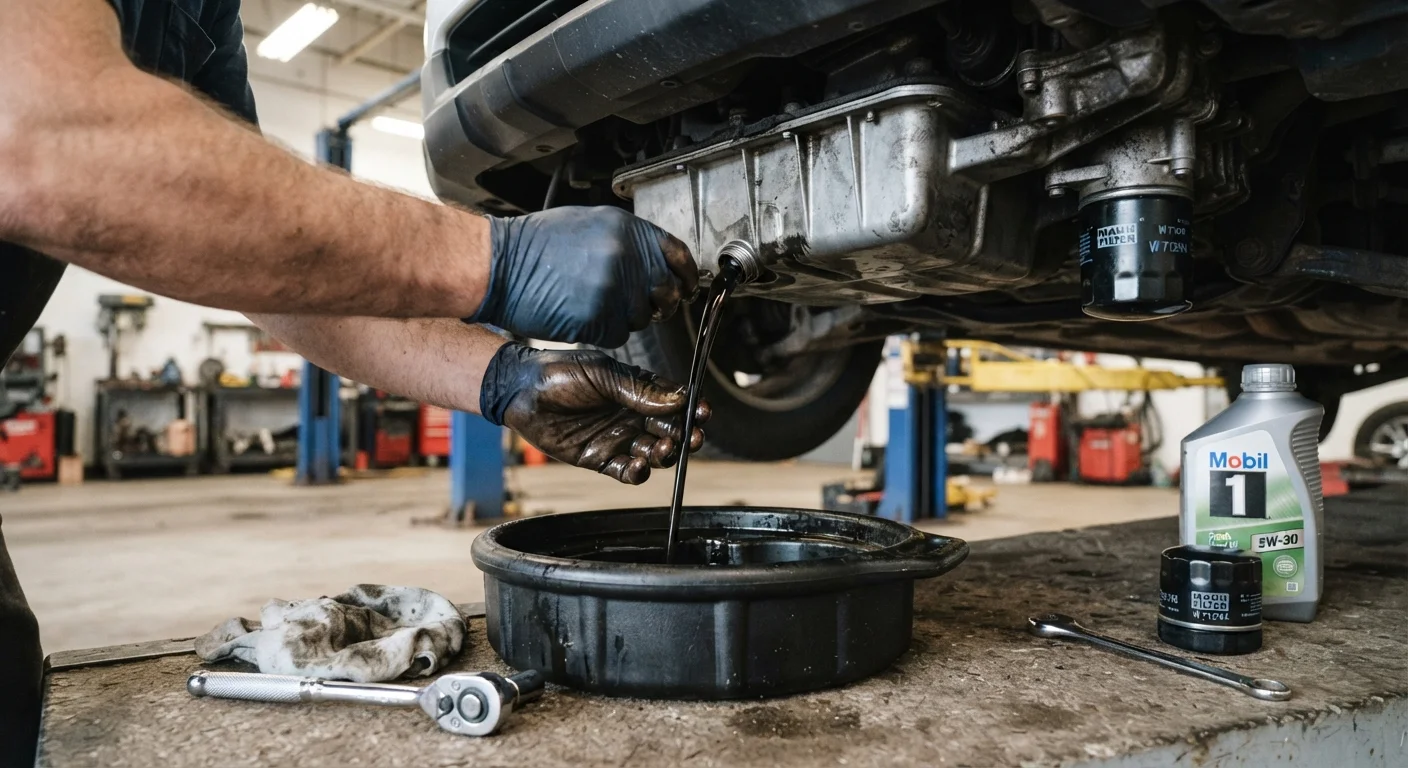
An oil change sounds simple: drain the old oil, swap the filter, refill with fresh oil. In practice, you'll need jack stands or ramps to safely lift the vehicle, a drain pan, an oil filter wrench, the correct oil type and viscosity for your engine, and a new filter. You also need to properly torque the drain plug and dispose of the used oil responsibly - most auto parts stores accept it.
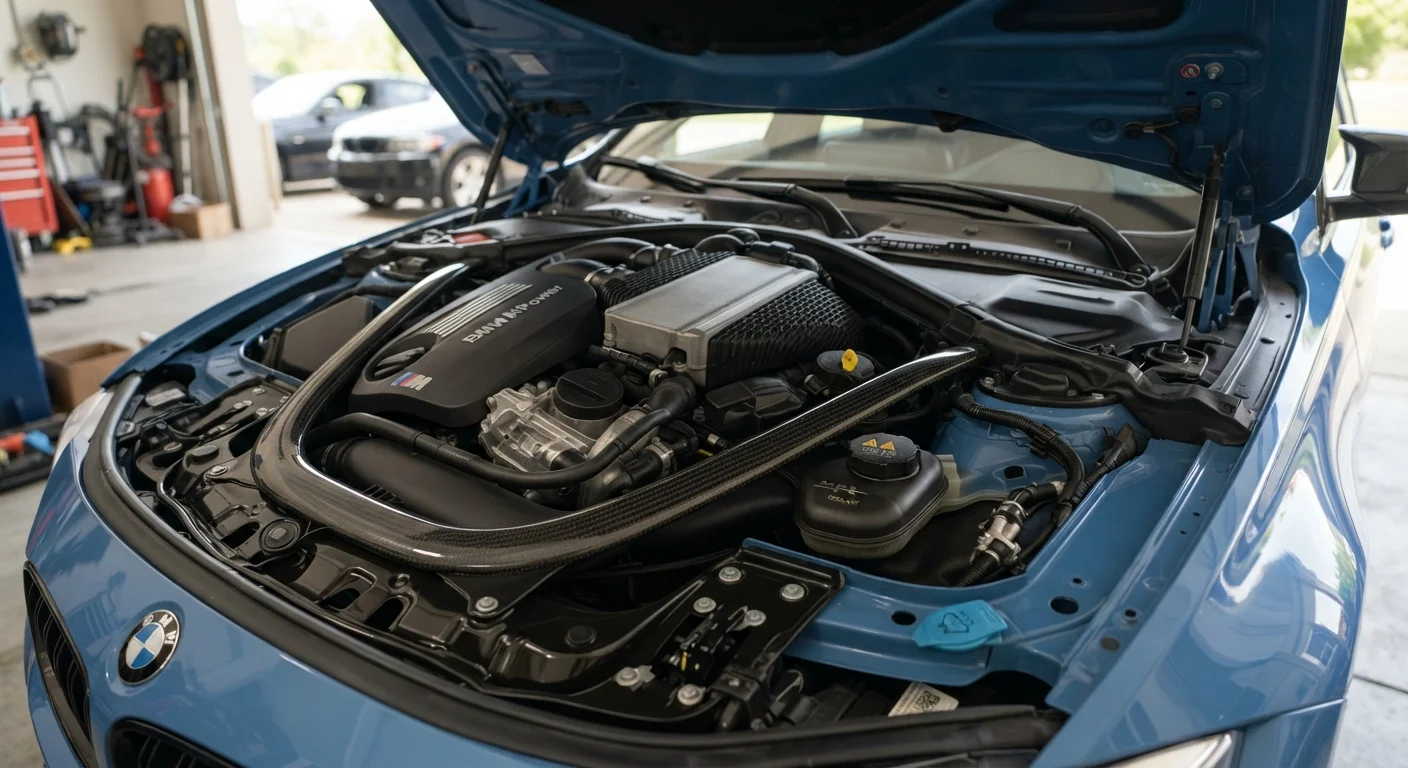
The job typically takes 30-60 minutes for someone who has done it before, longer for a first-timer. On modern vehicles with low ground clearance or awkward filter placement, the process can get frustrating fast. Before committing, look up the procedure specific to your year, make, and model - not all drain plugs and filters are in obvious locations. Understanding what's under your hood helps; see our guide to car fluids for context on what your engine actually needs.
The Case for DIY: Pros and Real Limitations
The main draw of doing it yourself is cost. Labor charges at a shop can range from modest to significant depending on the service tier and vehicle type - doing it yourself eliminates that entirely. You also control the exact oil and filter that goes in, and you know the job was done correctly because you did it.
Lower cost by eliminating labor charges
You pay only for oil and a filter, which typically costs less than a full-service shop visit, especially if you buy supplies in bulk over time.
Full control over oil type and filter brand
You choose exactly what goes into your engine, ensuring the viscosity grade and filter quality match your manufacturer's specifications.
Builds mechanical familiarity with your vehicle
Getting under the car regularly helps you notice other developing issues - leaks, worn components, or unusual buildup - before they become expensive repairs.
No scheduling or wait time required
You work on your own timeline without booking appointments or sitting in a waiting room, which matters for drivers with irregular schedules.
That said, the cost advantage shrinks when you factor in tool purchases, and it can disappear if you buy a full quart more oil than you need. There's also the matter of liability to yourself: improper torque on a drain plug can mean a slow leak or a catastrophic oil loss on the highway. And unless you have a dedicated workspace, lying under a car on a cold driveway is genuinely unpleasant.
Upfront tool investment reduces initial savings
Jack stands, ramps, a drain pan, and a filter wrench all cost money. The break-even point may not arrive until after several oil changes.
Risk of improper installation causing damage
An overtightened or under-torqued drain plug, or a filter that isn't properly seated, can cause oil leaks or engine damage that far exceeds any savings.
Used oil disposal requires extra effort
You're responsible for transporting used oil to an approved drop-off location - a minor but real inconvenience that shops handle automatically.
No secondary inspection of other systems
Most shops perform a basic vehicle inspection alongside the oil change, catching issues like worn belts or low tire pressure that a solo DIY job won't surface.
The Case for the Shop: What You're Actually Paying For
A professional oil change isn't just about the oil. Technicians typically inspect belts, hoses, tire condition, and fluid levels as part of the service - issues a home mechanic might miss. Shops also handle disposal automatically and carry the correct filters for virtually any vehicle in stock.
What a Shop Inspection Can Catch
Technicians servicing your oil often check tire pressure, inspect visible belts and hoses, and flag fluid levels on other systems. This informal inspection isn't a substitute for a full mechanical checkup, but it does provide a second set of experienced eyes on your vehicle at no extra charge. Drivers who change their own oil should periodically schedule a separate inspection to compensate for this gap.
Time is often the deciding factor. A quick lube service can be completed in under 30 minutes with no prep on your part. For drivers managing full schedules, that convenience has real value. The tradeoff is cost and, occasionally, upselling pressure - it's reasonable to decline services you haven't researched beforehand.
Keep in mind that deferred maintenance of any kind compounds. Whether you DIY or use a shop, staying on schedule matters more than the method. Our article on what happens when routine maintenance gets skipped lays out what's at stake when oil changes slide.
5,000-7,500 mi
Typical interval for conventional oil changes
Most manufacturers recommend this range for conventional oil; full synthetic intervals can extend to 10,000 miles or more depending on the vehicle.
~30 min
Average shop oil change service time
Quick-lube facilities typically complete standard oil changes in under 30 minutes, making them competitive on time versus a first-time DIY attempt.
How to Decide What's Right for You
Ask yourself these questions honestly: Do you have a safe, level surface to work on? Do you own or have access to the necessary tools? Are you comfortable following a technical procedure and checking your work? If the answer to all three is yes, DIY is a reasonable option worth trying at least once.
If your vehicle is under warranty, check the terms - some require documented service records, and a shop receipt provides that automatically. Leased vehicles and newer trucks or SUVs with specialty filters may also be better served by a professional who keeps those parts on hand.
Neither choice is objectively correct for every driver. What matters is that you make a deliberate decision based on your actual circumstances, not just cost alone. Whichever route you take, track your mileage and stick to the manufacturer's recommended interval - that discipline is what protects your engine long-term.