
What Car Ownership Actually Involves
Getting a car is a milestone - but it's also the start of an ongoing set of responsibilities most new drivers aren't fully prepared for. A vehicle is a machine with moving parts, wear items, and systems that need attention. The good news is that none of it is complicated once you understand the basics.
Ownership covers four main areas: maintenance (keeping the car running well), monitoring (catching problems early), finances (budgeting for all the costs, not just the payment), and documentation (registration, insurance, and records). For a broader picture of the full ownership lifecycle - from purchase to eventual resale - see everything involved in owning a car.
Preventive maintenance
Scheduled service tasks - like oil changes and tire rotations - performed before a problem develops, to keep a vehicle running reliably and extend its lifespan.
Tread depth
The measurement of the grooves in a tire's surface. Sufficient tread depth is essential for safe grip on wet and slippery roads.
Liability insurance
Auto insurance coverage that pays for damage or injury you cause to others in an accident. Most states require drivers to carry a minimum amount.
Check engine light
A dashboard warning indicator that signals the vehicle's onboard diagnostic system has detected a problem, ranging from minor issues to serious mechanical faults.
Owner's manual
The manufacturer-provided booklet specific to your vehicle that covers maintenance schedules, fluid types, warning light meanings, and safe operating guidelines.
Routine Maintenance You Shouldn't Skip
Preventive maintenance is the single most effective thing you can do to avoid expensive repairs. It doesn't require mechanical expertise - mostly it requires showing up on schedule.
- Oil and filter changes: Engine oil lubricates moving parts and degrades over time. Skipping changes leads to sludge buildup and, eventually, engine damage. Follow your owner's manual interval.
- Tire pressure and tread: Underinflated tires wear unevenly, reduce fuel efficiency, and increase blowout risk. Check pressure monthly with an inexpensive gauge. Tread depth below 2/32 of an inch means the tire needs replacing.
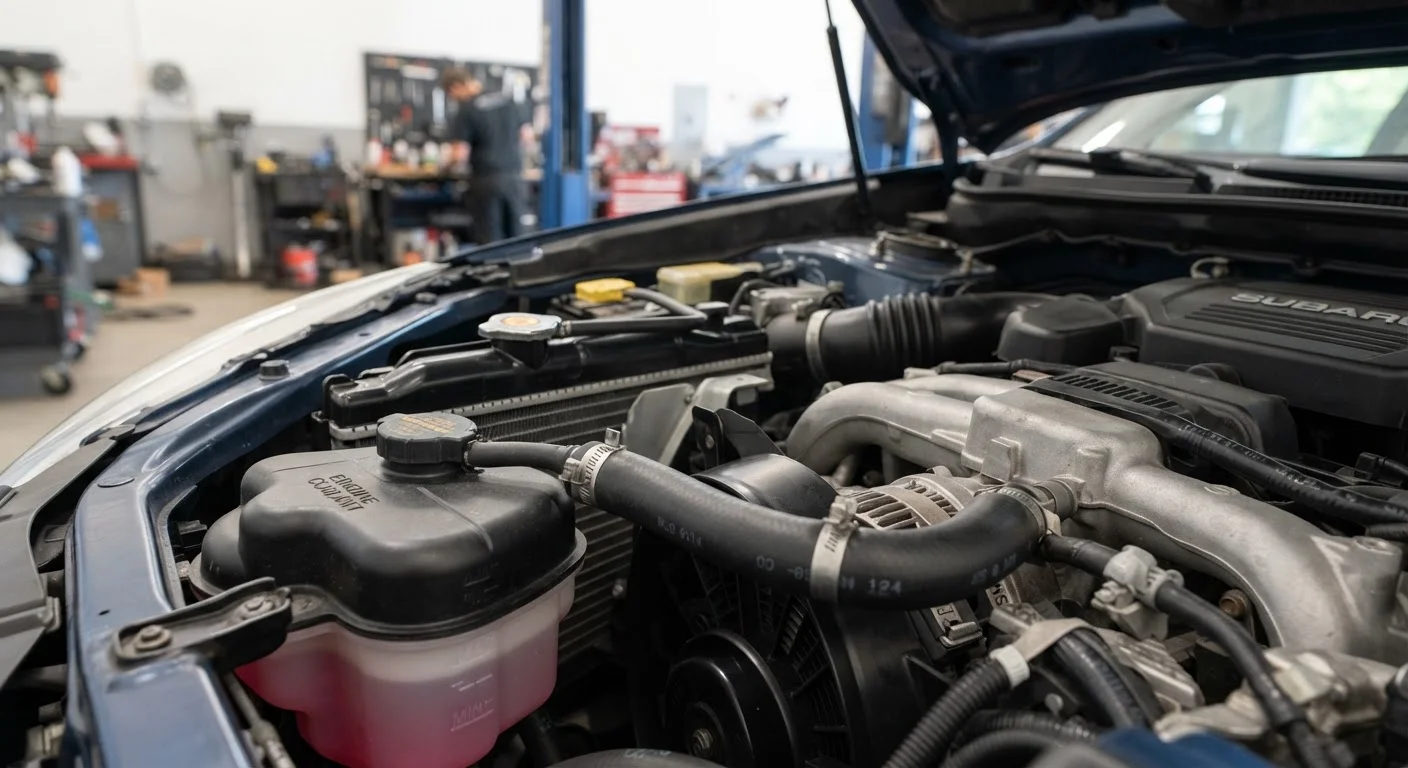
- Fluid levels: Coolant, brake fluid, power steering fluid, and windshield washer fluid all have reservoirs you can check visually. Low coolant, in particular, can cause engine overheating. Learn more about how that system works in our guide to your car's cooling system.
- Air filters: A clogged engine air filter reduces performance and fuel economy. Cabin air filters affect interior air quality. Both are inexpensive and typically easy to replace.
- Brakes: Squealing or grinding when braking signals worn pads or rotors. Have brakes inspected at least annually or if you notice any change in stopping behavior - this is a safety item, not an optional one.
Use Your Owner's Manual as a First Resource
Before searching the internet for answers about your specific car, check the owner's manual. It's written for your exact make, model, and engine - and it's far more reliable than general advice. If you don't have a physical copy, most manufacturers provide digital versions on their official websites.
For a structured, month-by-month maintenance schedule, the seasonal car maintenance calendar is a practical reference to keep handy.
Warning Signs Every New Driver Should Recognize
Your car communicates through sounds, smells, and dashboard indicators. Learning to read those signals early keeps small problems from becoming expensive ones.
Dashboard Warning Lights
Your owner's manual lists every warning light and what it means. As a rule: yellow lights indicate something needs attention soon; red lights signal you should stop driving as soon as it's safe to do so. A check engine light combined with rough running or unusual smells warrants prompt attention from a mechanic.
Unusual Sounds and Behavior
- Knocking or ticking from the engine: Often a lubrication issue. Don't delay getting it checked.
- Pulling to one side when braking: Could indicate uneven brake wear or a suspension issue.
- Vibration at highway speeds: Commonly caused by unbalanced tires or a bent wheel.
- Burning smell: Could be oil on a hot surface, overheating brakes, or an electrical issue - none of which should be ignored.
Don't Ignore Red Dashboard Warning Lights
A red warning light - especially one indicating oil pressure or engine temperature - means pull over safely and stop driving as soon as possible. Continuing to drive can cause severe and irreversible engine damage. When in doubt, call for roadside assistance rather than risk a much costlier repair.
The Financial Side of Owning a Car
First-time owners routinely underestimate what a car actually costs each year. The monthly payment is just the beginning. Insurance premiums, fuel, registration renewals, tires, and routine maintenance add up significantly - often thousands of dollars annually beyond the loan payment. The true cost of owning a car breaks down those numbers clearly.
A few financial principles worth knowing early:
- Build a vehicle emergency fund: Unexpected repairs happen. Having even $500-$1,000 set aside prevents a repair bill from becoming a financial crisis. If you're starting from zero on savings, building your first emergency fund is a useful starting point.
- Understand your insurance coverage: Liability, collision, and comprehensive coverage serve different purposes. Know what you have and what it covers before you need to file a claim. Coverage requirements and terms vary by state and provider - consult your policy and a licensed agent for specifics.
- Watch for loan misconceptions: If you financed your vehicle, make sure you understand how interest is calculated and what your payoff looks like. Common car loan myths are worth reviewing before assuming you understand your agreement.
Building Good Habits From the Start
The drivers who avoid expensive surprises aren't necessarily mechanically gifted - they're consistent. A few reliable habits make an outsized difference over time.
- Read your owner's manual. It contains the manufacturer's maintenance schedule, fluid specifications, tire pressure recommendations, and warning light explanations. Most new drivers never open it.
- Keep a simple maintenance log. Note the date and mileage of every oil change, tire rotation, and repair. This helps you stay on schedule and is valuable if you ever sell the car.
- Do a quick walk-around before long trips. Check tire condition visually, look for fluid spots under the car, and confirm all lights are working.
- Don't defer warning signs. The instinct to hope a noise goes away rarely pays off. A $150 repair ignored can become a $1,500 repair within weeks.
- Know your local requirements. Registration renewal deadlines, emissions testing schedules, and inspection requirements vary by state. Missing them can result in fines or a vehicle you can't legally drive.
For a thorough look at everything the car ownership basics hub covers - from registration to long-term maintenance - it's a practical ongoing resource for new drivers.