
Why Everyday Movement Matters More Than You Think
Most Americans picture physical activity as gym sessions, morning runs, or fitness classes. But a growing body of research points to a more expansive picture: the movement you accumulate just by living your daily life plays a genuine role in your health. Walking to your car, climbing a flight of stairs, pacing during a phone call - none of these feel like exercise, yet all of them register in your body.
Public health guidelines from organizations like the CDC recommend adults get at least 150 minutes of moderate-intensity aerobic activity per week. Crucially, those guidelines now confirm that bouts as short as a few minutes count toward that total - a significant shift from older thinking that required at least 10 continuous minutes to "qualify." This means the math of daily movement is working in your favor more than you may realize.
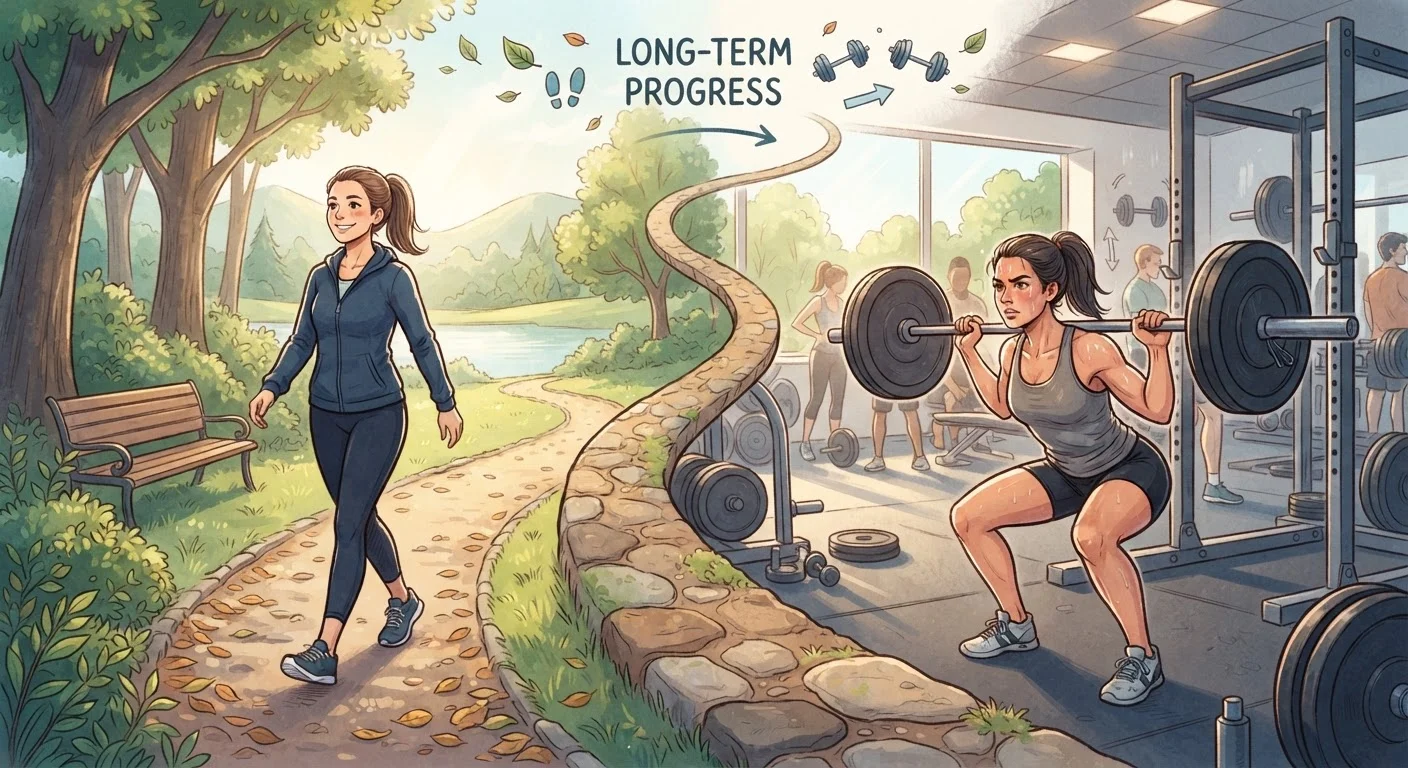
If you're curious how this compares with more structured training, see our article on consistency vs. intensity in long-term health for a fuller picture.
25%
Reduced all-cause mortality risk from regular walking
A systematic review published in the British Journal of Sports Medicine found that higher daily step counts were associated with significantly lower mortality risk compared to low step counts.
150 min
Weekly moderate activity recommended for adults
The U.S. Department of Health and Human Services Physical Activity Guidelines for Americans recommend at least 150 minutes of moderate-intensity activity per week for most adults.
60-70%
Of Americans who do not meet weekly activity guidelines
According to CDC national survey data, a majority of American adults fall short of recommended physical activity levels each week.
What Actually Counts as Physical Activity
Physical activity is any body movement produced by your muscles that requires energy. It exists on a spectrum from light (slow walking, stretching, light housework) to moderate (brisk walking, cycling at a comfortable pace) to vigorous (running, fast swimming, high-intensity intervals). All three levels contribute to health, just in different proportions.
Here are common daily activities that genuinely count:
- Walking - to transit, around a store, during a lunch break. Walking is one of the most well-studied forms of movement and accessible to most people.
- Stair climbing - a brief but effective cardiovascular and lower-body stimulus.
- Standing and light pacing - meaningfully reduces sedentary time even if intensity is low.
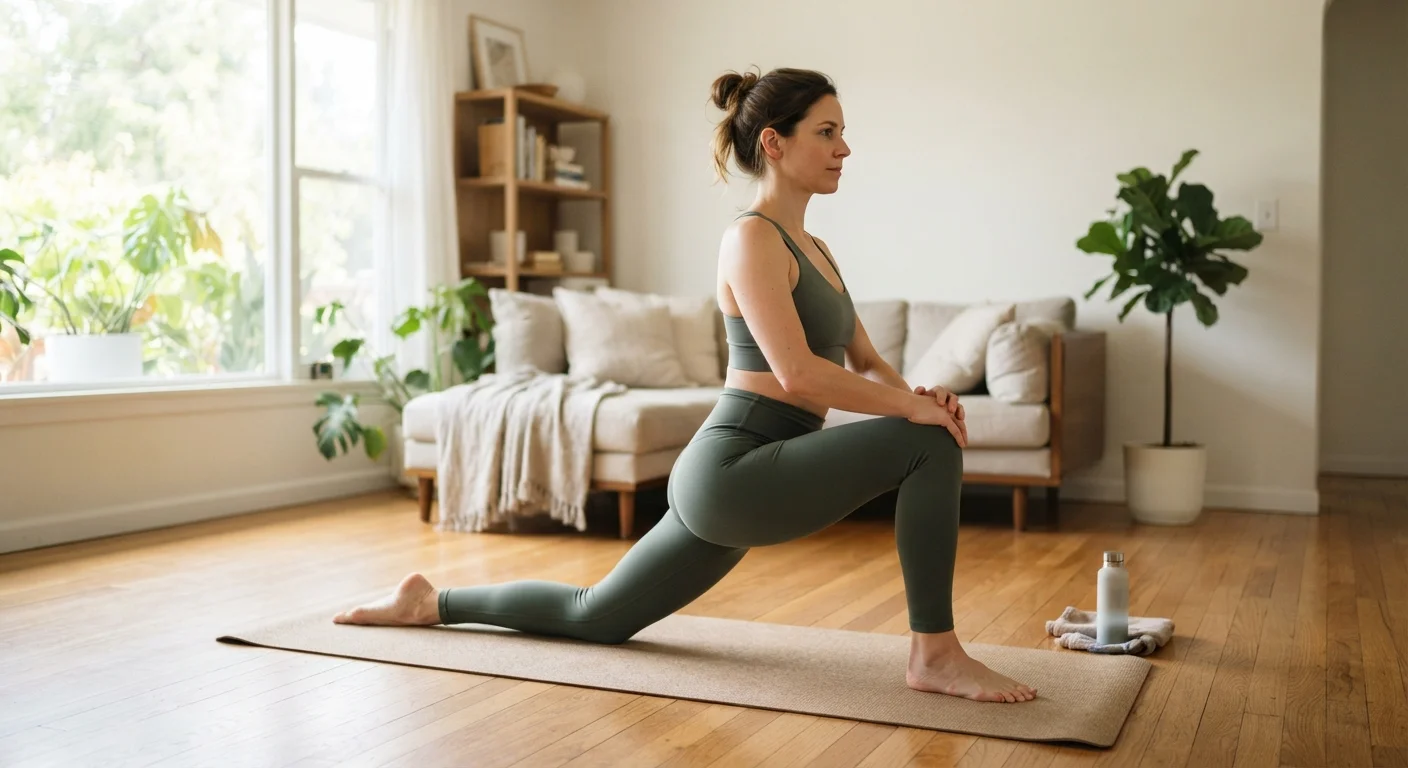
- Stretching and mobility work - supports joint health and movement quality. Flexibility and mobility deserve dedicated attention in any active lifestyle.
- Household tasks - vacuuming, gardening, carrying laundry all qualify as light-to-moderate activity.
How to Build Small-Movement Habits That Stick
The key to accumulating more daily movement isn't motivation - it's design. Attaching movement to existing habits (called "habit stacking") removes the need for willpower. You're not adding a new task; you're modifying a routine that's already automatic.
Use Habit Anchors to Make Movement Automatic
Choose one existing daily habit - brewing coffee, brushing teeth, opening your laptop - and pair it with a one-to-two-minute movement. Over time, the movement becomes as automatic as the anchor habit itself. Start with just one pairing before adding more.
Practical starting points:
- Walk during calls. Any phone or video call without screen-sharing is an opportunity to stand or pace.
- Take the longer route. Parking farther away, using a restroom on another floor, or taking the stairs adds steps without adding time commitments.
- Set a movement reminder. A simple phone alarm every hour prompts a brief break from sitting. Even two minutes of walking counts.
- Stretch during transitions. Before or after meals, between tasks, or while waiting for coffee to brew are natural movement windows.
For those with desk-based jobs, practical strategies for moving more during a sedentary workday can make a significant difference. You can also use a daily wellness audit to spot gaps in your current movement routine.
This article is for general informational and educational purposes only and is not a substitute for professional medical advice. Speak with a qualified healthcare provider before making significant changes to your physical activity, especially if you have a chronic health condition or injury.