
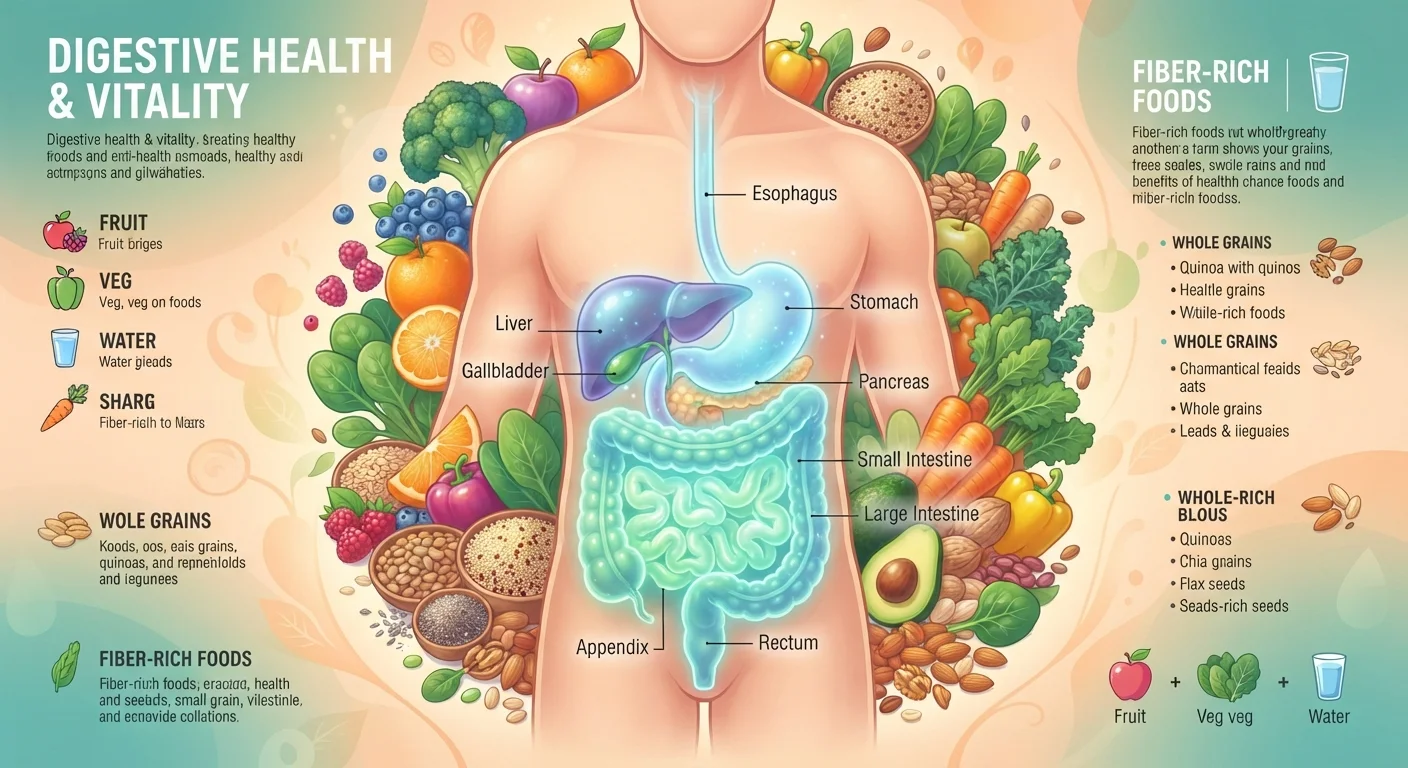
More Than a Digestive Organ
Most people think of the gut simply as the place food goes after you eat. In reality, your digestive tract is one of the most complex and influential systems in your body. It houses the gut microbiome - a vast community of bacteria, fungi, and other microorganisms that help regulate everything from nutrient absorption to immune response.
Researchers now understand that the gut communicates constantly with the brain, immune system, and even hormonal pathways. This means that what happens in your digestive tract doesn't stay there. An imbalanced microbiome - a state sometimes called dysbiosis - has been linked in research to conditions ranging from chronic inflammation to fatigue and mood disruption.
This article is general health information and is not a substitute for medical advice. Always consult a qualified healthcare professional about symptoms or health concerns specific to you.
~70%
Immune cells located in or near the gut
Immunology research estimates that the majority of the body's immune cells are concentrated in gastrointestinal tissue, underscoring the link between gut and immune function.
38 trillion
Estimated microbial cells in the human gut
A widely cited estimate in microbiome science, reflecting the enormous scale of the microbial community living in the human digestive tract.
~90%
Of the body's serotonin produced in the gut
Research in neurogastroenterology has found that the vast majority of serotonin - a key mood-regulating neurotransmitter - is synthesized by gut cells, highlighting the gut-brain axis.
The Gut-Immune Connection
Roughly 70% of the body's immune cells are located in and around the gastrointestinal tract, according to estimates from immunology research. This makes gut health inseparable from your body's ability to defend itself against infection and regulate inflammation.
Beneficial gut bacteria help train immune cells to distinguish between harmful pathogens and harmless substances. When microbial diversity is low, this calibration can go wrong - potentially contributing to either underactive immune responses or overactive inflammatory reactions.
Antibiotic Use and Gut Health
Antibiotics are life-saving medications, but they can significantly alter the gut microbiome by reducing bacterial diversity. If you've been prescribed antibiotics, take them exactly as directed by your healthcare provider - never skip doses or stop early. Discuss any concerns about gut health effects with your provider rather than attempting to manage them independently.
Maintaining a varied diet appears to be one of the more reliable ways to support microbial diversity. Consistently eating a wide range of plant-based foods introduces different fibers that feed different bacterial species, fostering the kind of microbial diversity that research associates with better immune regulation.
Energy, Nutrients, and the Gut
Your gut microbiome plays a direct role in how efficiently your body extracts and uses nutrients from food. Certain gut bacteria produce short-chain fatty acids (SCFAs) - compounds created when bacteria ferment dietary fiber - which serve as an energy source for the cells lining your colon and support metabolic health more broadly.
Poor gut health can interfere with nutrient absorption, meaning your body may not fully benefit from an otherwise healthy diet. This is one reason persistent fatigue or nutrient deficiencies sometimes prompt healthcare providers to look at digestive health as a contributing factor.
Start With Food Variety, Not Supplements
Before reaching for probiotic capsules, consider diversifying your plate. Research consistently shows that eating a wide range of plant foods - aiming for variety across the week rather than perfection each day - is one of the most effective strategies for building a diverse, resilient microbiome. Supplements may have a role, but they work best alongside solid foundational habits, not instead of them.
For a broader look at how daily habits stack up, see the Daily Wellness Audit - a practical checklist that covers nutrition, sleep, hydration, and stress together.
The Gut-Brain Axis: A Two-Way Street
The gut and brain are in constant communication via a network of nerves, hormones, and immune signals collectively known as the gut-brain axis. The vagus nerve is the primary physical pathway, but gut bacteria also produce neurotransmitters - including a significant proportion of the body's serotonin - that influence mood, cognition, and stress response.
This bidirectional relationship means stress and poor sleep can harm the gut, while an unhealthy microbiome may in turn amplify stress and mood instability. Research in this area is active and still developing; findings are promising but not yet fully translated into clinical practice.
If you're interested in how sleep fits into this picture, the article Why Sleep and Mental Health Are So Deeply Connected explores the research in more depth. For a broader wellness foundation, the Mental Wellness hub covers stress, sleep, and emotional wellbeing for daily life.
Supporting Gut Health Through Everyday Habits
No single food or supplement transforms gut health overnight. The research consistently points to sustained, varied habits as the most effective approach - a principle explored further in Consistency vs. Intensity: What Actually Drives Long-Term Health Gains.
Evidence-supported habits that may support a healthy microbiome include:
- Eating a wide variety of fiber-rich plant foods - vegetables, fruits, legumes, whole grains, nuts, and seeds
- Including fermented foods such as plain yogurt, kefir, kimchi, or sauerkraut, which contain live cultures
- Staying well hydrated to support the gut lining and motility
- Getting adequate, consistent sleep - disrupted sleep patterns have been associated with microbiome changes
- Managing chronic stress through approaches like regular movement, adequate rest, and social connection
- Limiting unnecessary antibiotic use - antibiotics can significantly alter microbiome composition, though they are sometimes medically necessary
If you experience persistent digestive symptoms, significant fatigue, or other unexplained changes in how you feel, speak with a healthcare provider. Self-diagnosing gut conditions or starting supplements without professional guidance is not recommended.
This article is for general informational and educational purposes only and does not constitute medical advice. Consult a qualified healthcare professional for guidance specific to your health situation.
“The gut microbiome is not a passive passenger - it actively participates in the regulation of metabolism, immunity, and even behavior. Diet is currently the most powerful tool we have to influence it.”
— Justin Sonnenburg, Professor of Microbiology and Immunology, Stanford University School of Medicine