Flexibility vs. Mobility: What's the Difference?
These two terms are often used interchangeably, but they describe different things. Flexibility refers to the ability of a muscle or muscle group to lengthen passively - think of touching your toes. Mobility refers to the ability of a joint to move actively through its full range of motion with control.
You can be flexible without being mobile. A dancer may have highly flexible hamstrings but still struggle with controlled hip movement under load. Conversely, someone with limited passive flexibility can have solid functional mobility for daily tasks. Both qualities matter, and both respond to training.
If you're building a balanced weekly exercise routine, understanding this distinction helps you choose the right type of work - passive stretching for flexibility, active movement drills for mobility.
The Real Benefits of Making Space for This Work
Research consistently links regular stretching and mobility training to reduced muscle soreness, improved posture, and better functional movement in daily life. Here's a look at the genuine advantages.
Supports injury prevention through better joint resilience
Joints with a fuller, well-controlled range of motion are better equipped to handle unexpected loads and movements. This is particularly relevant for activities like lifting, running, or even navigating uneven surfaces.
Improves posture and reduces common aches
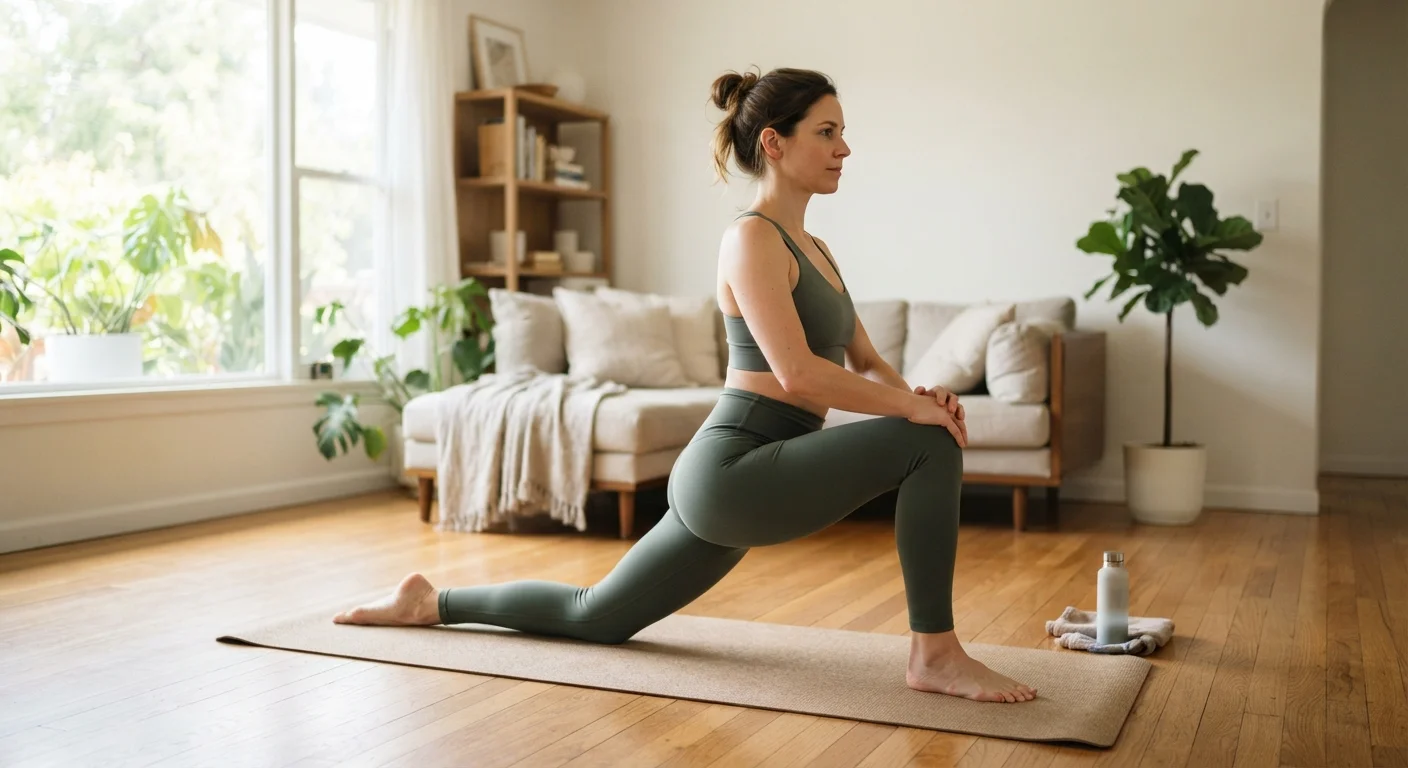
Tight hip flexors and chest muscles - common results of prolonged sitting - can pull the spine out of alignment. Targeted mobility work addresses these imbalances and can ease related neck and lower back discomfort.
Accessible at any fitness level with no equipment
Most foundational stretches and mobility drills require nothing but floor space and a few minutes. This low barrier makes it one of the easiest training types to start regardless of current fitness.
Enhances performance in other exercise types
Greater hip mobility improves squat depth; better shoulder mobility supports overhead pressing mechanics. Flexibility and mobility work amplifies the return you get from strength and cardio training.
Promotes body awareness and stress relief
Slow, deliberate movement work encourages attention to how the body feels, which can have a grounding, stress-reducing effect similar to mindful movement practices.
5-10 min
Daily stretching needed for range-of-motion gains
Exercise science literature generally supports that consistent short sessions are effective for improving flexibility when performed most days of the week.
~4 weeks
Typical timeframe to notice flexibility improvements
Studies on static stretching programs suggest measurable range-of-motion changes can appear within four to eight weeks of regular practice.
Beyond formal exercise sessions, mobility work fits naturally into existing habits. You can attach a five-minute hip-opener sequence to your morning coffee or do shoulder rolls during a work break. The habit stacking approach makes this especially practical - pairing new behaviors with things you already do reduces friction and improves follow-through.
Honest Drawbacks Worth Knowing
No training modality is without trade-offs. Flexibility and mobility work are genuinely valuable, but a balanced view means acknowledging where the limitations lie.
Results require consistent effort over weeks
Flexibility gains are not immediate. Meaningful, lasting improvements in range of motion typically develop over several weeks of regular practice, which can feel discouraging early on.
Overstretching can cause injury if done carelessly
Pushing into sharp or acute pain during stretching can strain tendons and ligaments. Effective flexibility work stays at a sensation of mild tension, not pain - a distinction that matters especially for beginners.
Static stretching before strength training may reduce performance
Research suggests that prolonged static stretching immediately before lifting or high-intensity activity can temporarily reduce power output. Dynamic warm-up movements are generally better suited to pre-workout preparation.
Easy to deprioritize in a busy schedule
Because flexibility and mobility work rarely produces the visible or measurable short-term results of strength or cardio training, it's often the first thing dropped when time gets tight.
When to Consult a Professional
If you experience sharp, localized pain during stretching or have a history of joint instability, hypermobility conditions, or recent injury, a physical therapist or sports medicine professional can tailor a safe mobility program for your specific needs. General guidance is not a substitute for individualized assessment. This is especially important for older adults and those managing chronic musculoskeletal conditions.
How to Build It Into Your Week Without Overhauling Everything
You don't need a dedicated hour or a studio class to see results. Research suggests that even five to ten minutes of daily stretching can improve range of motion over several weeks when done consistently. The key is regularity, not duration.
Start by identifying your tightest areas - for most desk workers, this means hip flexors, thoracic spine, and posterior shoulder. A short targeted routine addressing those zones will deliver more noticeable benefit than a generic full-body stretch done sporadically.
If you're already aware that prolonged sitting is affecting how you feel, the strategies for moving more during the workday pair directly with mobility work - micro-movement breaks and targeted stretches complement each other well. You can also explore how small movement habits throughout the day contribute meaningfully to overall physical health goals.
This article provides general health information for educational purposes only and is not a substitute for professional medical advice. Consult a qualified healthcare provider before starting any new exercise program, especially if you have an existing injury, chronic condition, or joint concerns.