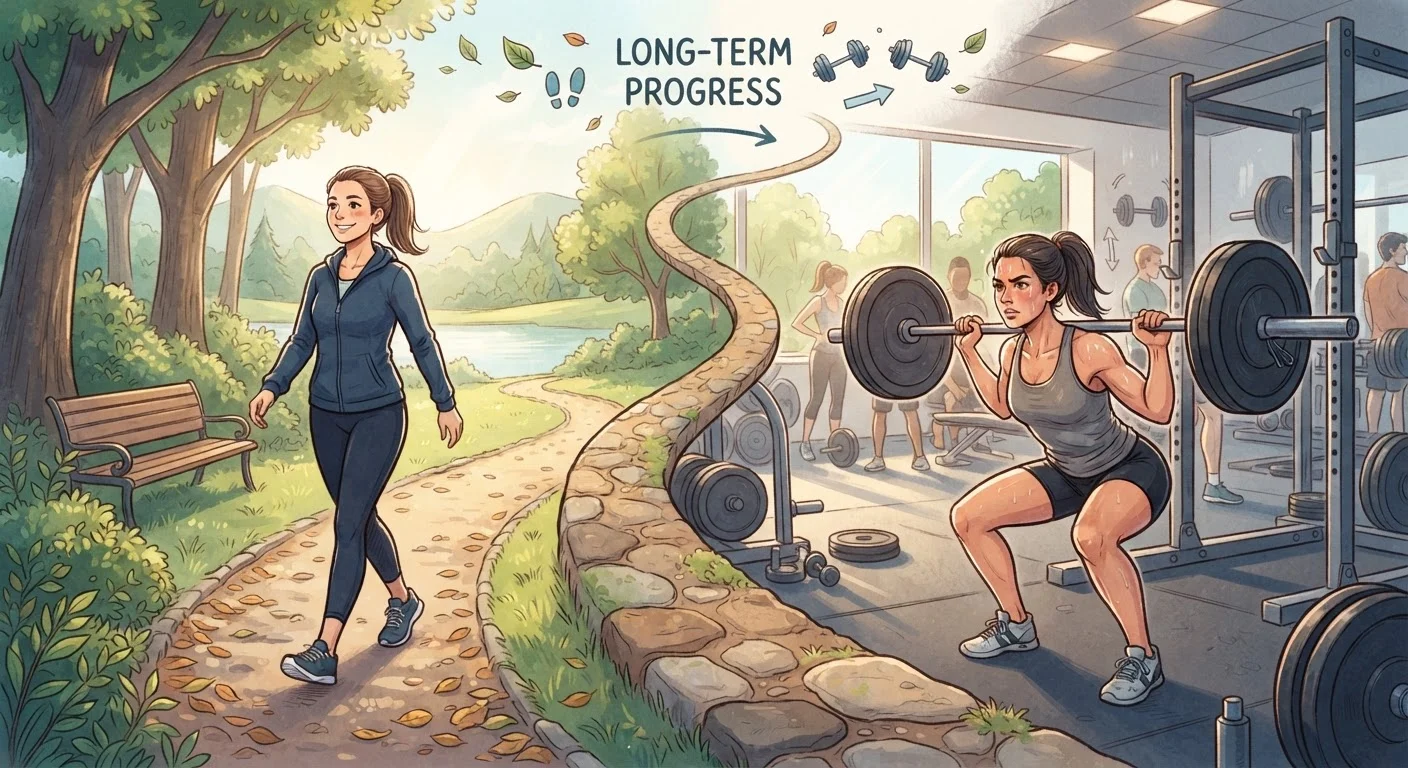

Why a Wellness Audit Is Worth Your Time
Most of us don't fall into poor health all at once. It happens gradually - one skipped workout becomes a month without movement, late-night scrolling chips away at sleep, and meals get rushed without much thought. A wellness audit is a structured way to pause and honestly assess where your daily habits actually stand, rather than where you assume they do.
This isn't about perfection or following a rigid program. It's about honest self-reflection across five key pillars: sleep, movement, nutrition, hydration, and stress. Research consistently shows that these areas interact with each other - poor sleep worsens stress, inadequate hydration affects energy and focus, and low movement compounds both. Understanding what actually drives long-term health gains matters more than any single dramatic change.
Work through the checklist below honestly. Check off habits you genuinely practice most days - not occasionally or ideally. Whatever gaps you find are simply your starting points.
Notebook or journal
Record your honest responses to each checklist item and note patterns across categories.
Habit-tracking app
Log daily habits over time to identify trends; useful after the audit to monitor progress.
Wearable fitness or sleep tracker
Provides objective sleep duration and movement data to supplement your self-assessment.
Your Daily Wellness Checklist
Work through each category and note which items you can honestly check off on a typical day. Don't worry about a score - the value is in spotting patterns.
Sleep
Movement
Nutrition
Hydration
Stress and Mental Wellbeing
This Checklist Is Not a Medical Assessment
The items in this audit reflect general wellness principles for healthy adults and are not a substitute for professional medical evaluation. If you notice persistent symptoms - such as chronic fatigue, significant sleep disturbance, or unrelenting stress - speak with a qualified healthcare provider. Certain populations, including those who are pregnant, managing a chronic condition, or older adults, should consult a professional before making changes to diet, exercise, or stress management routines.
What to Do With Your Results
Once you've worked through the checklist, resist the urge to overhaul everything at once. Research on behavior change suggests that targeting one or two habits at a time is far more effective than attempting a full lifestyle reset. If your sleep category had the most unchecked items, that's a logical place to start - sleep quality touches nearly every other pillar.
If movement stood out as a gap, know that formal exercise isn't the only way to close it. Our guide on small-movement habits throughout the day explains how everyday activity counts toward your health. For nutrition gaps, incremental nutrition changes are often more sustainable than full dietary resets.
If stress items were mostly unchecked, it may be worth reading about signs your stress levels may need attention - stress can accumulate quietly before it becomes noticeable. And for hydration nuance, hydration needs vary more than most people realize.
Don't Try to Fix Everything at Once
Attempting to change sleep, diet, movement, and stress habits simultaneously is one of the most common reasons wellness efforts stall. Pick the one or two areas with the most unchecked boxes and focus there for several weeks before expanding your efforts. Sustainable habits are built incrementally - not through a single week of intensive change.
Repeat this audit periodically - monthly or quarterly - to track whether your habits are shifting in the direction you want. Over time, you may find the checklist itself gets easier to complete.
This article is for general informational and educational purposes only and does not constitute medical advice. Always consult a qualified healthcare professional before making changes to your health routine, especially if you have an existing medical condition.