
Why the Title Transfer Process Matters
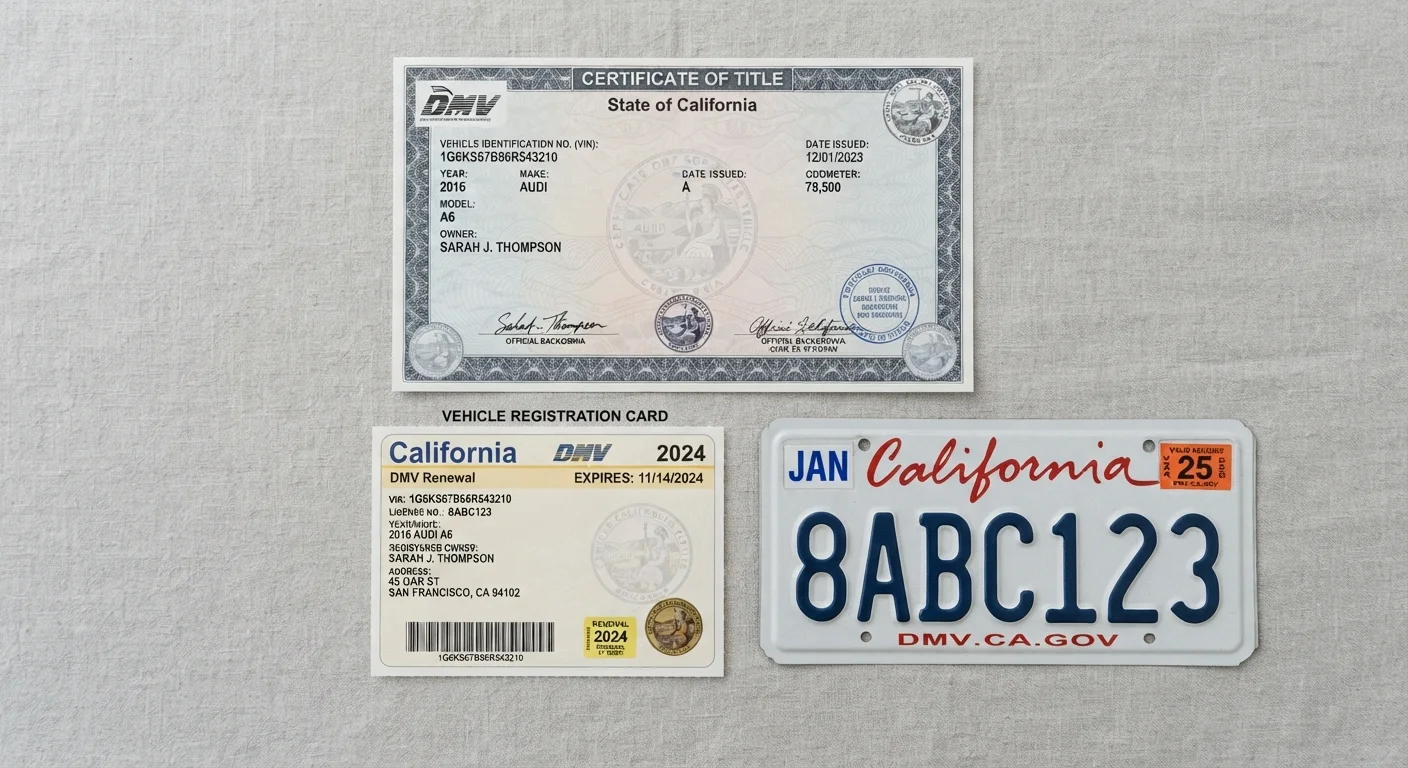
A vehicle title is the legal proof of ownership - whoever's name is on it owns the car in the eyes of the law. Understanding what a title actually is and why it differs from registration is worth a moment of your time. See our explanation of titles, registration, and plates for a full breakdown of how these three documents relate to each other.
When a vehicle changes hands - whether it's a private sale, a gift, or an inheritance - the title must be formally transferred to reflect the new owner. Skipping or mishandling this step creates real legal problems: the seller may remain legally liable for a car they no longer possess, and the buyer won't be able to register the vehicle or prove ownership. Getting the paperwork right protects both sides of the transaction.
Check Your State's Exact Requirements First
Title transfer rules vary meaningfully by state. Some require notarization; others have specific forms for gift transfers or inherited vehicles. Before meeting with a buyer or seller, pull up your state DMV's website and confirm exactly what documents and fees are required. A five-minute check can prevent a wasted trip to the DMV.
If you're going through this process as part of your first vehicle purchase, the first-car roadmap covers the broader context - from budgeting through to registration - so nothing catches you off guard.
What You'll Need Before You Start
Gathering the right documents before you sit down with the other party prevents unnecessary delays. Both the seller and buyer should review the list below and confirm everything is in order before the handover.
What you will need
Vehicle Title (Certificate of Title)
The primary legal document transferred from seller to buyer to prove ownership change.
Bill of Sale
Documents the agreed sale price, date, and parties involved - useful for tax purposes and dispute resolution.
Odometer Disclosure Statement
Required by federal law for most vehicles under 10 years old; records the vehicle's mileage at time of sale.
Lien Release Letter
Confirms that any prior auto loan has been paid off and the lender no longer has a claim on the vehicle.
State DMV Transfer Form
Some states require a separate application or reassignment form in addition to the signed title.
If the vehicle was purchased with a loan that has since been paid off, the lender must provide a lien release. This is sometimes stamped directly on the title itself, or it may come as a separate letter. Without it, the DMV will not process the transfer. If you're currently financing a vehicle you plan to sell, contact your lender first - they'll explain the payoff process. For context on how auto loans work, the article on dealership vs. bank financing explains how lenders hold titles during the loan period.
Step-by-Step: Completing the Transfer
Locate the Title and Confirm It's Clean
The seller must produce the original paper title - not a photocopy. Check that the name on the title matches the seller's ID exactly. Confirm there are no active liens listed; if a lender is named, a lien release letter from that lender must accompany the title. A vehicle with an unresolved lien cannot be cleanly transferred.
Complete the Odometer Disclosure
Federal law (the Truth in Mileage Act) requires sellers to disclose the vehicle's odometer reading at the time of sale for most vehicles under ten years old. This information is typically recorded directly on the back of the title. Both seller and buyer must sign this section. Enter the current mileage accurately - falsifying odometer readings is a federal offense.
Fill In the Sale Details on the Title
On the title's assignment section, the seller completes: the buyer's full legal name and address, the sale date, and the sale price. In states that calculate sales tax on vehicle transfers, the sale price must reflect the actual transaction - underreporting to reduce tax liability is considered fraud.
Both Parties Sign the Title
The seller signs the title in the designated seller signature line. The buyer signs in the buyer section. Some states additionally require a notary's signature and seal - check your state DMV's requirements before the transaction so you can arrange this in advance. Signatures must match the names printed on the title and IDs.
Create a Bill of Sale
Even when not legally required, a bill of sale protects both parties. It should include: vehicle year, make, model, and VIN; names and addresses of both parties; sale price; date of sale; and both signatures. Keep a copy. This document can resolve disputes and is often needed when registering the vehicle or filing for a tax exemption on a gift transfer.
Buyer: Register the Vehicle at the DMV
The buyer takes the signed title, bill of sale, proof of insurance, and any required state forms to their local DMV office. You'll pay a title transfer fee and, typically, sales tax based on the purchase price. Most states give buyers 15 to 30 days to complete registration before penalties apply. The DMV will issue a new title in the buyer's name and new registration documents.
Sellers: Remove Your Plates and Notify Your DMV
In most states, license plates belong to the seller, not the vehicle. Remove them before handing over the car and notify your state DMV of the sale in writing to protect yourself from liability after the transaction. If the new owner is involved in an accident or receives a toll or traffic violation before re-registering, you could be tied to it if the sale was never formally reported.
Once the buyer has registered the vehicle and received a new title in their name, the transfer is legally complete. Both parties should retain copies of the bill of sale and any other documents for their records - at minimum, for the duration of the current tax year.
If you're approaching a purchase and haven't yet reviewed the purchase agreement, take a look at what to check before signing - particularly relevant when buying from a dealer where additional documents are involved. The title transfer is just one piece of the larger vehicle ownership picture covered in the full lifecycle of car ownership.
Never Sign a Blank Title
Signing a title before all fields are filled in - a practice sometimes called 'title jumping' - is illegal in most states and can expose you to fraud or liability. Every required field, including the sale price, odometer reading, and buyer information, should be completed before any signatures are applied.