
How Each Financing Path Actually Works
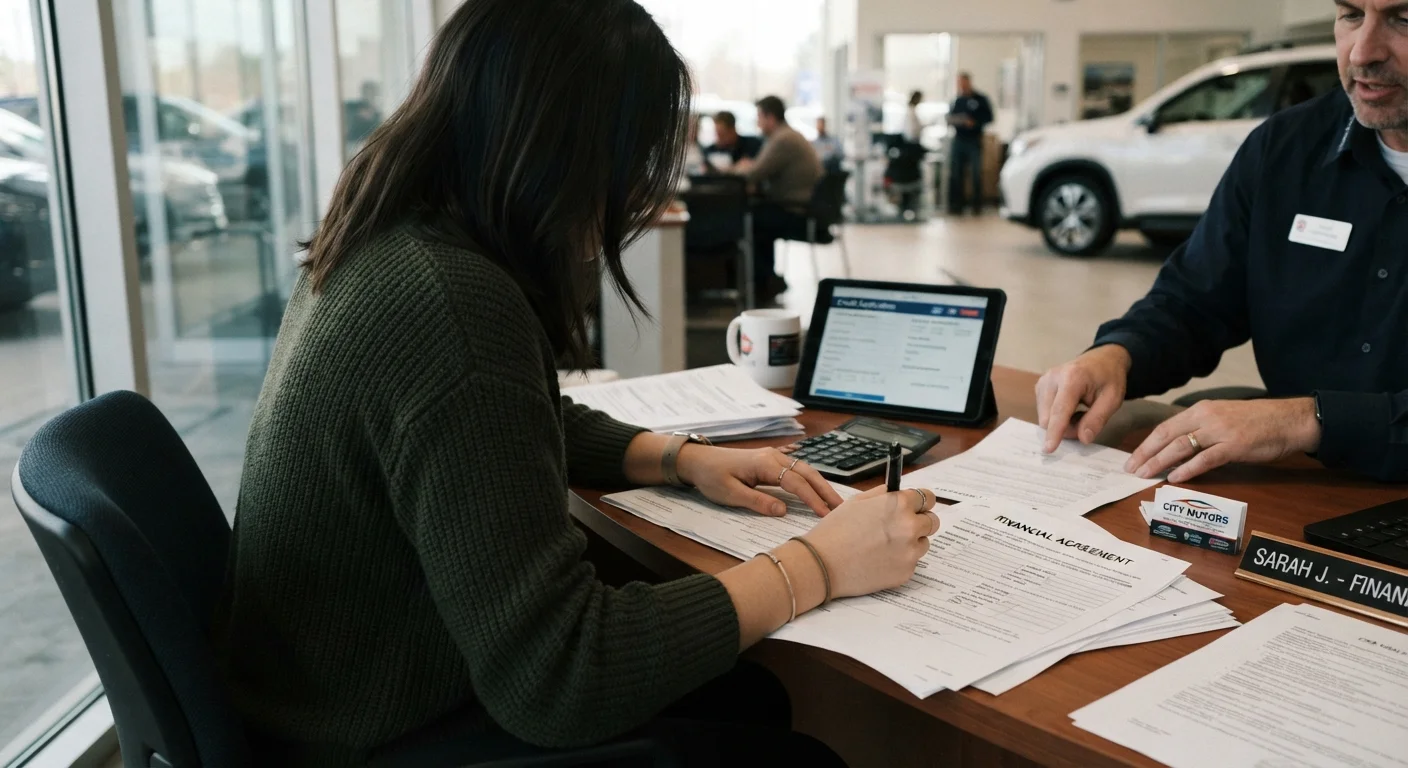
When you finance through a dealership, the dealer acts as an intermediary. You fill out a credit application on-site, the dealer submits it to one or more lenders in their network, and if approved, the dealer presents you with a loan offer. The catch: dealers are often permitted to mark up the interest rate above what the lender actually requires - a practice sometimes called the "dealer reserve." That difference goes to the dealership, not you.
Direct lending works differently. You apply for a loan directly with a bank, credit union, or online lender before visiting a dealership. If approved, you receive a pre-approval letter or certificate stating the loan amount and rate you qualify for. You then shop for a vehicle within that budget, and once you've chosen a car, the lender funds the purchase directly. The dealership is paid; you repay the lender.
This structural difference matters. With dealer financing, the interest rate, loan term, and vehicle price can all be blended into a single monthly payment figure, making it harder to isolate what each element costs. With direct lending, you've already locked in your financing terms before negotiations begin.
For a broader look at how financing fits into the full arc of ownership, see everything involved in owning a car.
| Criterion | Dealer Financing | Bank or Credit Union Financing |
|---|---|---|
| Where you apply | At the dealership | Directly with lender, in advance |
| Rate transparency | Rate may include dealer markup | Rate quoted directly, no middleman |
| Negotiating leverage | Lower - financing tied to purchase | Higher - financing already secured |
| Speed of approval | Same-day, on-site | Requires advance application |
| Promotional rate access | Yes, via manufacturer programs | Generally not available |
| Typical rate competitiveness | Varies; often higher than direct | Often lower, especially credit unions |
| Best for credit-challenged buyers | More lender options available | Approval harder at prime lenders |
Rate Differences and What Drives Them
Interest rates on auto loans depend on your credit score, loan term, vehicle age, and the lender's own pricing. Dealer financing adds one more variable: the markup. In many arrangements, lenders set a "buy rate" - the minimum rate at which they'll approve a borrower - and dealers are allowed to charge above that. The spread between what you're offered and the underlying buy rate is compensation the dealer receives from the lender.
Credit unions frequently offer more competitive rates than either banks or dealers, particularly for borrowers with strong credit histories. Because credit unions are member-owned nonprofits, they typically operate with lower overhead and return value to members through lower loan rates rather than profit margins. Membership requirements vary by institution, but many are open to broad geographic or occupational groups.
~1-2%
Typical dealer rate markup above buy rate
Consumer Financial Protection Bureau research has found dealer markup commonly adds between 1 and 2 percentage points above the lender's baseline rate.
72 months
Average new-car loan term in recent years
Experian's State of the Automotive Finance Market reports have tracked average new-vehicle loan terms extending toward and beyond six years.
Lower APRs
Credit union rate advantage
National Credit Union Administration data consistently shows credit unions offering lower average auto loan rates than commercial banks across most credit tiers.
Loan term also affects total cost more than most buyers realize. A longer term lowers your monthly payment but increases the total interest paid over the life of the loan - sometimes substantially. Be cautious about extending a term simply to reach a monthly payment target.
Before signing anything, it's worth reviewing common car loan myths that affect how buyers interpret their offers.
Practical Tradeoffs Worth Knowing
Dealer financing has genuine advantages. It's fast, it's on-site, and manufacturers occasionally run promotional rates - sometimes as low as 0% APR on select new vehicles - that are only available through dealer-arranged financing. If you qualify for a promotional offer, it can be hard to beat with a direct lender.
The downside is transparency. Monthly payment framing can obscure total cost. A dealer who knows you're focused on "keeping payments under $450" has more room to maneuver on rate, term, or add-on products. Going in with your own pre-approval creates a concrete benchmark - if the dealer's offer doesn't beat it, you already have a fallback.
Promotional Dealer Rates Have Conditions
Manufacturer-subsidized rates (such as 0% APR offers) are typically reserved for buyers with excellent credit and apply only to specific trims or model years. Accepting a promotional rate may also preclude cash-back incentives - the two are often mutually exclusive. Read the fine print carefully before assuming a promotional offer is the lower-cost option for your situation.
One practical approach: get pre-approved by a bank or credit union before visiting a dealership, then allow the dealer to try to beat that rate. This way you benefit from competition without giving up either option. If dealer financing comes in lower, take it. If not, use your pre-approval.
When it comes time to review loan paperwork, what to check before signing any car purchase agreement walks through the key items to scrutinize - including finance charges and add-on products that can inflate the final amount financed.
This article is for general informational purposes only and does not constitute personalized financial or legal advice. Loan terms, rates, and availability vary by lender, credit profile, and location. Consult a licensed financial professional for guidance specific to your situation.