What an Emergency Fund Actually Is
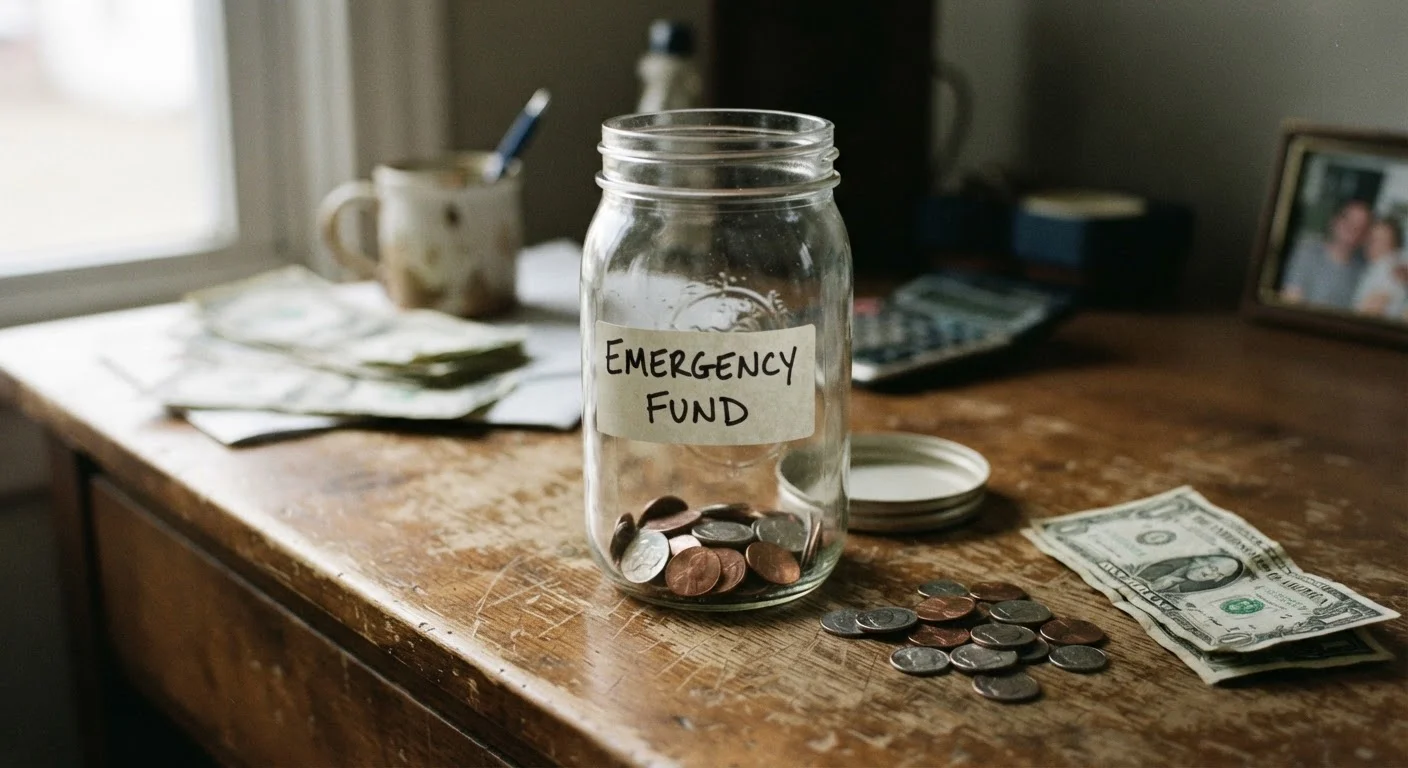
An emergency fund is a dedicated pool of liquid savings set aside exclusively for unplanned, essential expenses - not for wants, not for predictable costs, and not for paying routine bills. Think job loss, a sudden medical expense, or a critical car repair that stands between you and your paycheck.
The fund serves as a financial firewall. Without one, even a modest setback forces most households onto high-interest credit, which compounds a short-term problem into a long-term one. With one, the same setback becomes manageable rather than destabilizing.
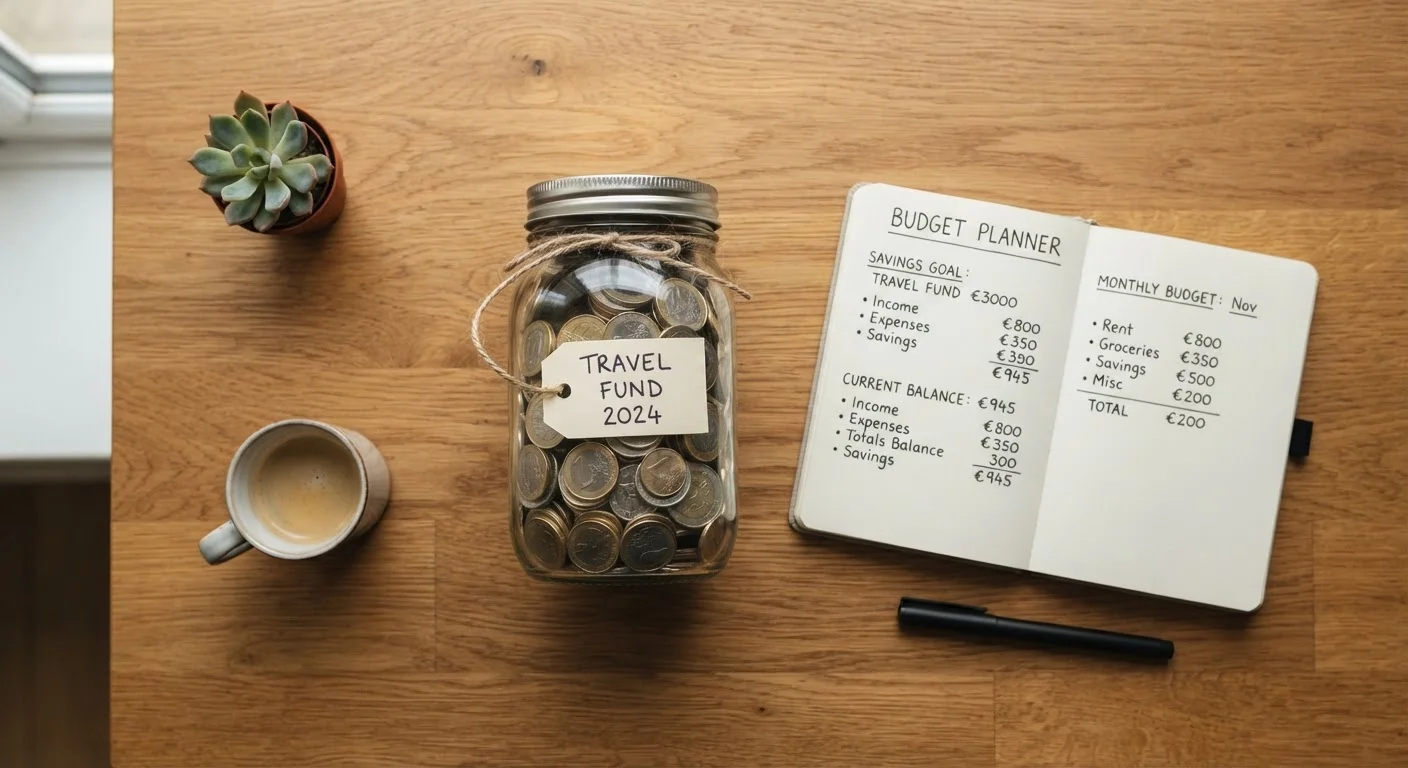
It's worth distinguishing an emergency fund from other savings goals. Saving for a vacation, a new appliance, or annual car registration belongs in a separate category - often called a sinking fund - because those are predictable costs you can plan for in advance. An emergency fund exists purely for the unpredictable.
Emergency fund
A dedicated pool of savings set aside only for unplanned, essential financial needs - not for planned purchases or routine expenses.
Liquid savings
Money that can be accessed quickly and without penalties, such as funds in a savings account, as opposed to assets tied up in investments or CDs.
High-yield savings account
A savings account - often offered by online banks - that pays a higher interest rate than a standard savings account while keeping your money accessible.
Pay yourself first
A saving strategy where you automatically transfer a set amount into savings as soon as you're paid, before spending on anything else.
Starter emergency fund
An initial savings milestone - typically $500 to $1,000 - that provides a basic buffer against common financial shocks while you work toward a larger cushion.
Sinking fund
A separate savings category used to set aside money gradually for predictable future expenses - like car registration or holiday gifts - so they don't feel like surprises.
How Much Should You Save First?
The traditional advice of three to six months of living expenses is a sound long-term target, but it can feel paralyzing when you're starting from zero. A more actionable starting point is a starter emergency fund of $500 to $1,000.
That amount is enough to absorb the most common financial shocks without reaching for a credit card. It's also achievable within months on most incomes, which provides early momentum and proof that the system works.
Once your starter fund is fully funded, you can begin expanding it toward one full month of essential expenses - rent or mortgage, utilities, groceries, insurance, minimum debt payments - and continue from there. The specific number that's right for you depends on factors like job stability, household size, and whether you have dependents, but the key principle is to set a clear, reachable milestone rather than an abstract aspiration.
Use a Windfall to Jump-Start Your Fund
Tax refunds, work bonuses, and cash gifts are ideal for seeding an emergency fund quickly. Directing even a portion of a windfall to savings lets you reach your starter goal without requiring ongoing budget cuts. Once the fund is established, you can return your regular income to other priorities.
Finding the Money When Your Budget Is Already Tight
The most common objection to starting an emergency fund is having nothing left over to save. The solution is treating savings as a fixed expense rather than what's left after spending - a concept sometimes called paying yourself first.
Start by setting up an automatic transfer - even $20 or $25 per paycheck - timed to move immediately after payday. Small automated amounts accumulate reliably and bypass the decision fatigue that defeats manual saving. Raise the amount as your budget allows.
To find that initial room, a detailed look at your spending often helps. A structured budgeting process can surface categories - unused subscriptions, frequent small purchases, dining patterns - where modest cuts free up consistent savings capacity. A one-time windfall like a tax refund or work bonus can also jump-start your fund significantly without requiring ongoing sacrifice.
Where to Keep Your Emergency Fund
Your emergency fund needs to satisfy three criteria: it must be safe, liquid (accessible quickly without penalties), and separate from your daily spending account. Mixing emergency savings with checking makes it far too easy to spend without noticing.
A dedicated high-yield savings account at an online bank typically earns meaningfully more interest than a standard savings account at a traditional bank, which helps your fund grow slightly faster while sitting idle. Look for accounts with no monthly maintenance fees and no minimum balance requirements.
Avoid locking emergency funds in certificates of deposit (CDs) or investment accounts. CDs carry early-withdrawal penalties, and investment accounts can lose value at exactly the moment you need the money most. Liquidity and stability matter far more than growth potential for these specific dollars.
Online Banks Often Offer Better Rates
High-yield savings accounts from online banks frequently pay significantly more interest than those at traditional brick-and-mortar banks. Interest rates vary and change over time, so it's worth comparing current offers periodically. Most online savings accounts are FDIC-insured up to applicable limits, offering the same federal deposit protection as traditional banks.
Building the Fund While Carrying Debt
Many people assume they should eliminate all debt before saving a single dollar. In practice, that approach often backfires. Without any savings buffer, the first unexpected expense goes directly onto a credit card - restarting the debt cycle you were trying to escape.
A more resilient approach is to build your starter fund first, then split surplus cash flow between debt repayment and expanding your emergency savings. Even a $500-$1,000 cushion dramatically reduces the likelihood that a minor emergency derails your debt payoff momentum.
Once your starter fund is in place and high-interest debt is under control, you can direct more toward growing your emergency fund to the fuller one-to-three month level. After that, you'll be positioned to explore longer-term goals - see our introduction to investing concepts for what comes next on that journey.
Protecting Your Fund Once It Exists
Saving the money is only half the challenge. The other half is keeping it intact. If your emergency fund gets used for non-emergencies, it provides no protection when a real crisis arrives. Structural problems are often to blame when funds disappear before they can accumulate.
Establish clear, written rules about what qualifies as an emergency - and what doesn't. Unexpected car repair needed for work: yes. A sale on electronics: no. Travel costs you forgot to plan for: no. Keeping the definition narrow protects the fund from rationalization creep over time.
When you do use the fund legitimately, treat replenishing it as your top financial priority in the weeks that follow. A depleted fund is as vulnerable as no fund at all.
This article provides general financial education and is not personalized financial advice. Individual circumstances vary. Consider consulting a qualified financial adviser for guidance specific to your situation.