Why the Sticker Price Tells Only Part of the Story
Walk into a dealership and the number on the window is hard to ignore. But that sticker price - the Manufacturer's Suggested Retail Price, or MSRP - covers only the vehicle itself. By the time you factor in taxes, title, registration, dealer fees, and financing, the amount you actually pay at signing is already higher. And from day one of ownership, a separate set of recurring costs begins.
For most American households, a vehicle is the second-largest financial commitment after housing. Yet many buyers focus almost entirely on the monthly loan payment, treating everything else as secondary. That framing can lead to real budget strain down the road. A more useful question isn't just "Can I afford this car?" - it's "Can I afford to own and operate this car for the next five to ten years?"
See our full guide to the car ownership lifecycle for a broader look at what's involved from purchase to resale.
$10,000+
Average annual cost of vehicle ownership
According to AAA's annual 'Your Driving Costs' study, the average American driver spends more than $10,000 per year on vehicle ownership and operation.
~50%
Value lost to depreciation in five years
Industry data consistently shows that the average new vehicle loses approximately half its value within its first five years on the road.
15-20%
Value lost in the first year alone
New vehicles typically experience their steepest depreciation drop in year one, before stabilizing somewhat in subsequent years.
The Big Six Ownership Cost Categories
1. Depreciation
Depreciation is almost always the largest single ownership cost, yet it's invisible - no bill arrives in the mail. A new vehicle typically loses 15-20% of its value in the first year and around 50% over five years. This matters most when you sell or trade in, or if the car is totaled and an insurance payout falls short of what you owe on the loan.
2. Auto Insurance
Insurance is a legal requirement in nearly every state, and premiums vary considerably based on your driving history, location, vehicle, and coverage levels. Liability-only coverage is cheaper but provides less protection; comprehensive and collision coverage cost more but protect against a wider range of losses. Shopping your policy annually is one of the few practical levers drivers have to manage this cost. Keep in mind that coverage terms, exclusions, and pricing depend heavily on your insurer and state regulations - speaking with a licensed insurance agent is the most reliable way to understand your options.
3. Fuel
Fuel costs depend on how much you drive, your vehicle's fuel economy (measured in miles per gallon, or MPG), and local gas prices. A vehicle rated at 20 MPG will cost roughly twice as much to fuel as one rated at 40 MPG over the same distance driven. Electric vehicle drivers trade fuel costs for electricity costs, which vary by region and time-of-use rates.
4. Maintenance and Repairs
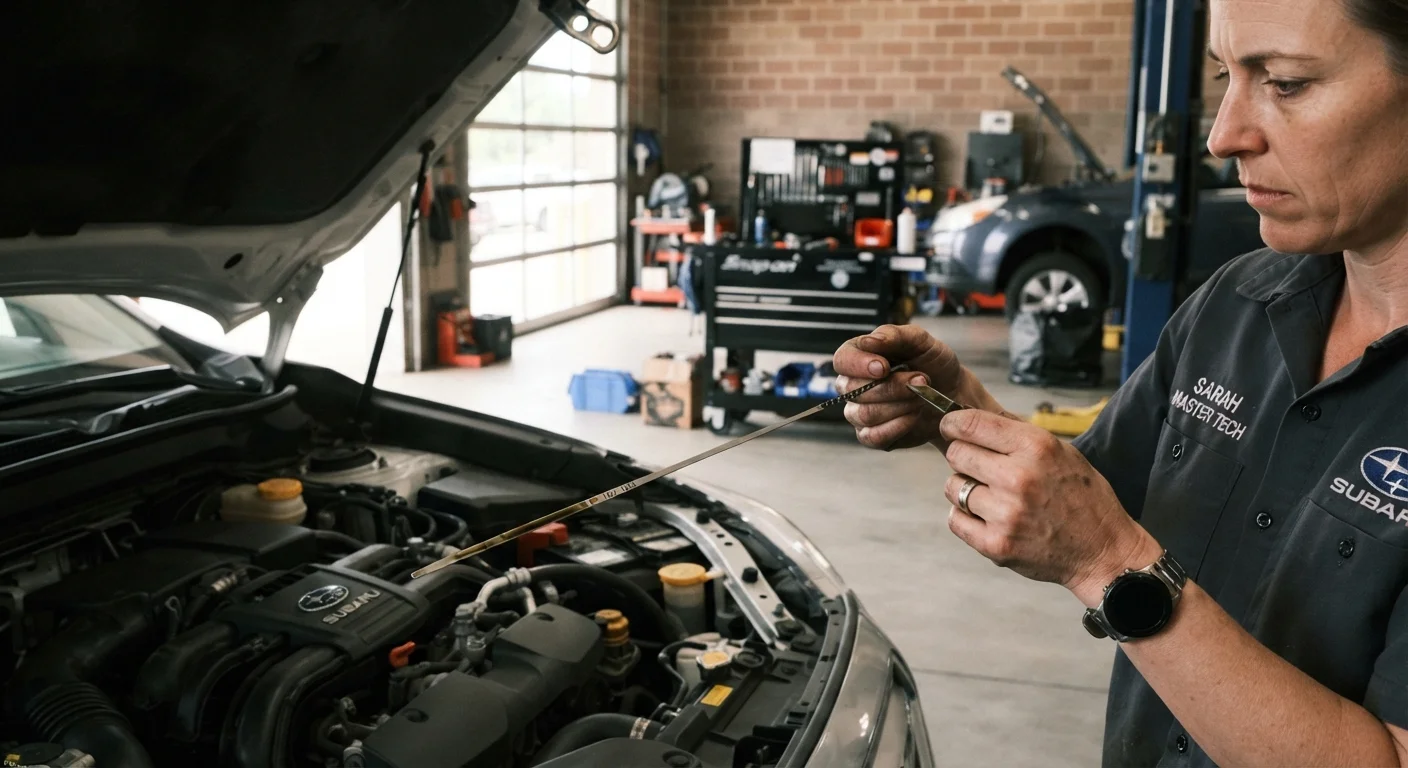
Routine maintenance - oil changes, tire rotations, brake inspections, air filter replacements - is predictable and relatively inexpensive if kept current. Deferred maintenance, on the other hand, tends to compound into larger and more costly repairs. Common car maintenance myths can lead drivers to overspend on unnecessary services or skip genuinely important ones.
5. Registration, Taxes, and Fees
Annual vehicle registration fees vary widely by state and sometimes by vehicle age or weight. Some states also levy personal property taxes on vehicles. These costs can range from under $100 to several hundred dollars per year.
6. Financing Costs
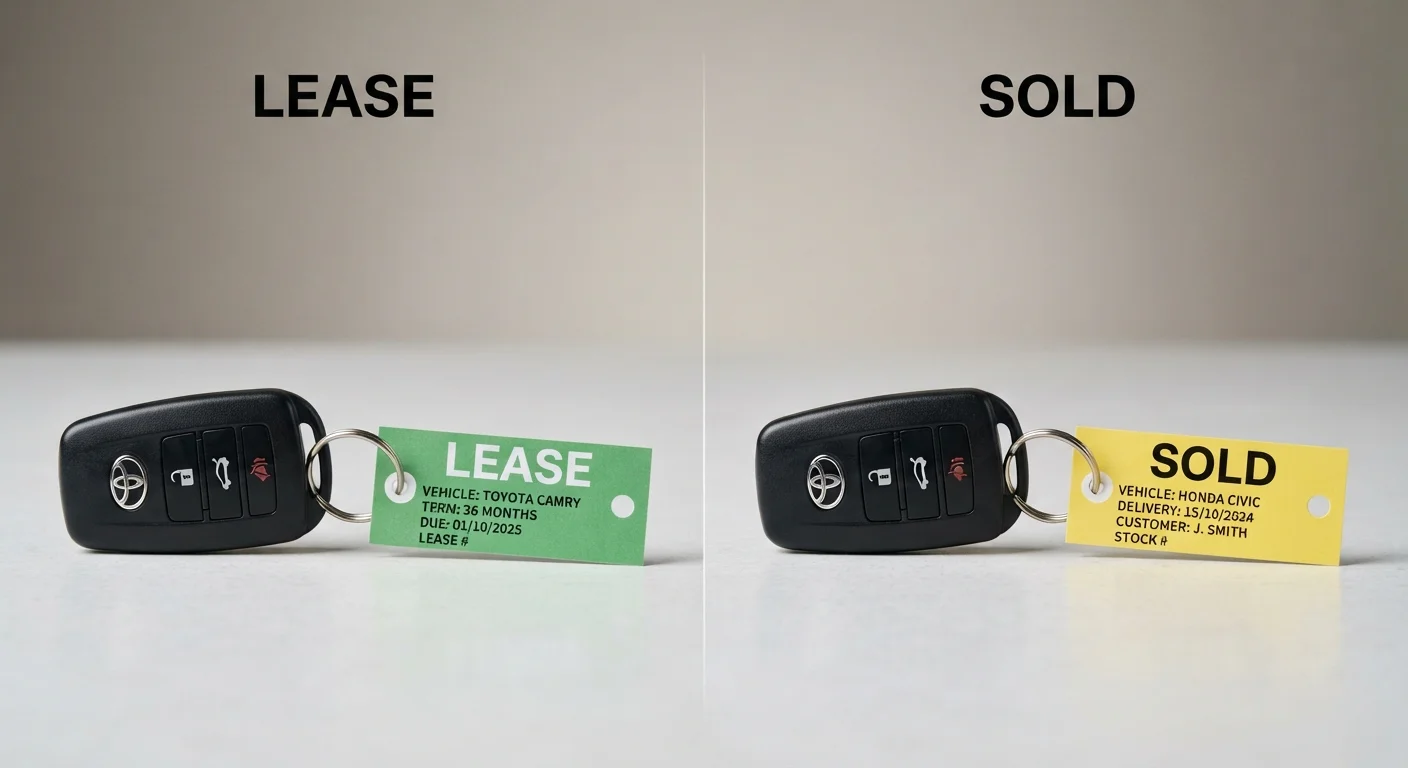
If you finance your purchase, interest charges add to the vehicle's total cost - sometimes significantly. On a $30,000 loan at 7% interest over 60 months, you'd pay roughly $5,600 in interest alone. A larger down payment or shorter loan term reduces this, though it increases the monthly payment. For a balanced look at the financing question, see leasing vs. buying a car.
Build a Monthly Ownership Reserve
Set aside a fixed amount each month specifically for car-related costs beyond your loan payment - fuel, insurance, and a repair buffer. Even $100-$150 per month in a dedicated account can prevent an unexpected repair from derailing your broader budget. Treat it like a recurring bill, not an optional fund.
Building a Realistic Ownership Budget
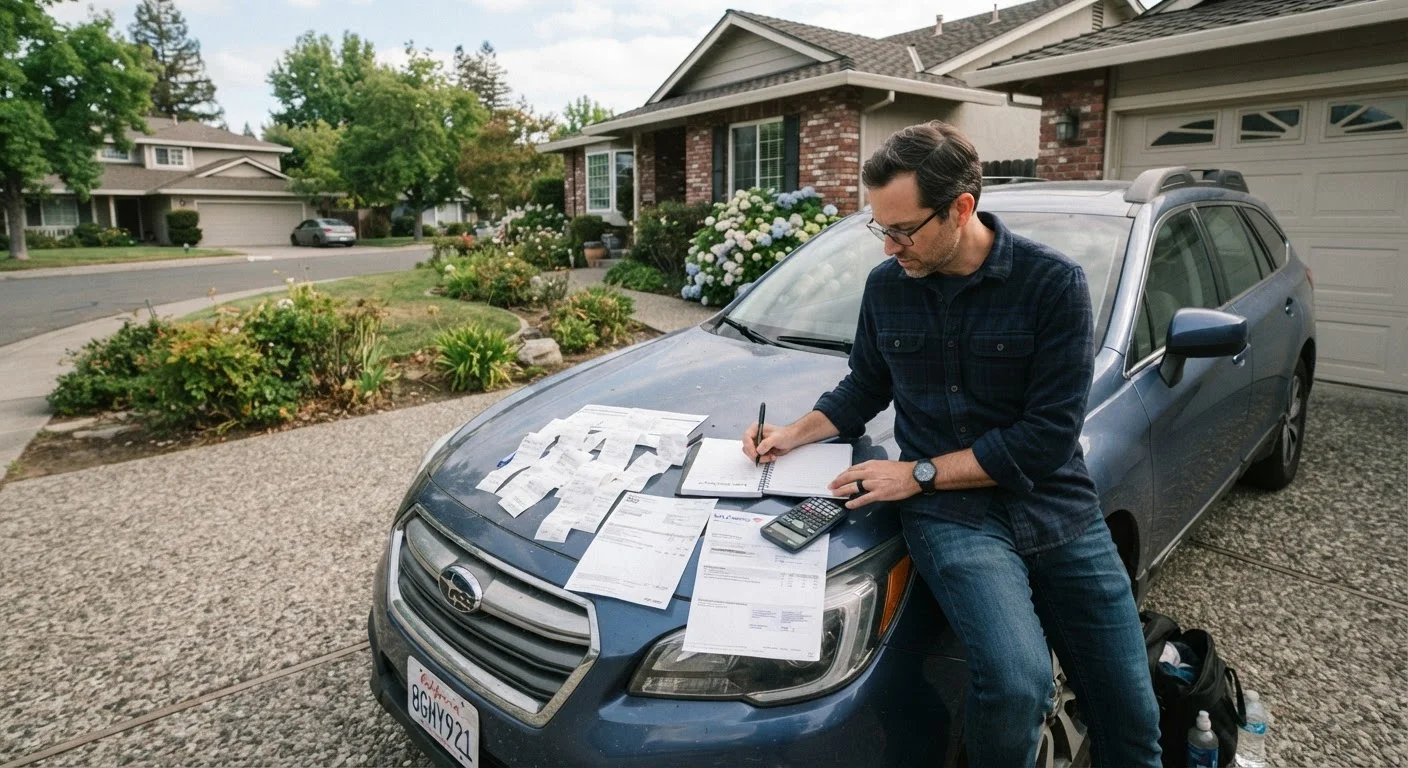
A useful rule of thumb: add up your expected monthly loan or lease payment, insurance premium, estimated fuel costs, and a maintenance reserve (many financial planners suggest setting aside $75-$150 per month), then compare that total against your monthly take-home income. The combined number often surprises people.
New owners in particular tend to underestimate the financial picture. Why new owners underestimate ongoing car expenses covers the specific line items that catch drivers off guard most often - including registration renewals and rising insurance premiums after claims.
If you're buying your first vehicle, the fundamentals of car ownership for first-time drivers provides a grounded introduction to routine maintenance and the habits that prevent expensive surprises early on. And for broader household budgeting context, budgeting basics offers simple strategies for tracking spending and building a workable monthly plan.
This article is for general informational purposes only and does not constitute financial or insurance advice. Costs and regulations vary by state, insurer, and individual circumstances. Consult a licensed financial adviser or insurance agent for guidance specific to your situation.