
Why a Seasonal Schedule Beats a Random One
Most drivers think about car maintenance only when something goes wrong - a warning light, a strange noise, or a flat tire at the worst possible moment. A seasonal approach flips that pattern. By aligning routine checks with the calendar, you catch wear and degradation before it turns into a repair bill or a safety hazard.
Each season puts different stresses on a vehicle. Summer heat accelerates coolant breakdown and stresses tires. Winter cold thickens fluids and drains batteries. Spring and fall are natural transition points where a fresh inspection pays real dividends. This calendar is designed to be actionable, not overwhelming - most tasks take minutes, and many require nothing more than your eyes and a tire pressure gauge.
For a broader look at everything that goes into owning a vehicle over its lifetime, see our full car ownership guide. And if you've picked up habits from popular advice, it's worth checking whether any are myths - common car maintenance myths can cost you real money.
Spring (March-May)
Summer (June-August)
Fall (September-November)
Winter (December-February)
Tools You'll Want on Hand
You don't need a full garage to handle most seasonal checks. The tools below cover the majority of items in this calendar. For anything that goes deeper - brake pad measurement, coolant testing, battery load testing - a qualified mechanic should take over.
Tire Pressure Gauge
Check tire inflation against manufacturer specifications during every seasonal inspection.
Tread Depth Gauge
Measure tire tread depth accurately to determine whether tires are safe for winter or wet conditions.
Flashlight or Headlamp
Inspect the undercarriage, engine bay, and lighting systems in low-visibility conditions.
Battery Load Tester
Assess battery health under simulated load - most auto parts stores will test for free if you'd prefer not to own one.
Antifreeze Tester (Hydrometer or Refractometer)
Verify that your coolant mixture is rated to handle your region's lowest expected temperatures.
Mechanic's Inspection
Have a qualified technician assess brakes, suspension, and systems that require lifting the vehicle safely.
Know the Limits of DIY Checks
Visual inspections and fluid top-offs are reasonable tasks for most drivers. However, brake system work, suspension inspection, and anything requiring the vehicle to be safely lifted should always be performed by a qualified mechanic. Attempting these without proper equipment and training can result in serious injury or vehicle damage. When in doubt, schedule a professional service.
Keeping a Record of Every Check
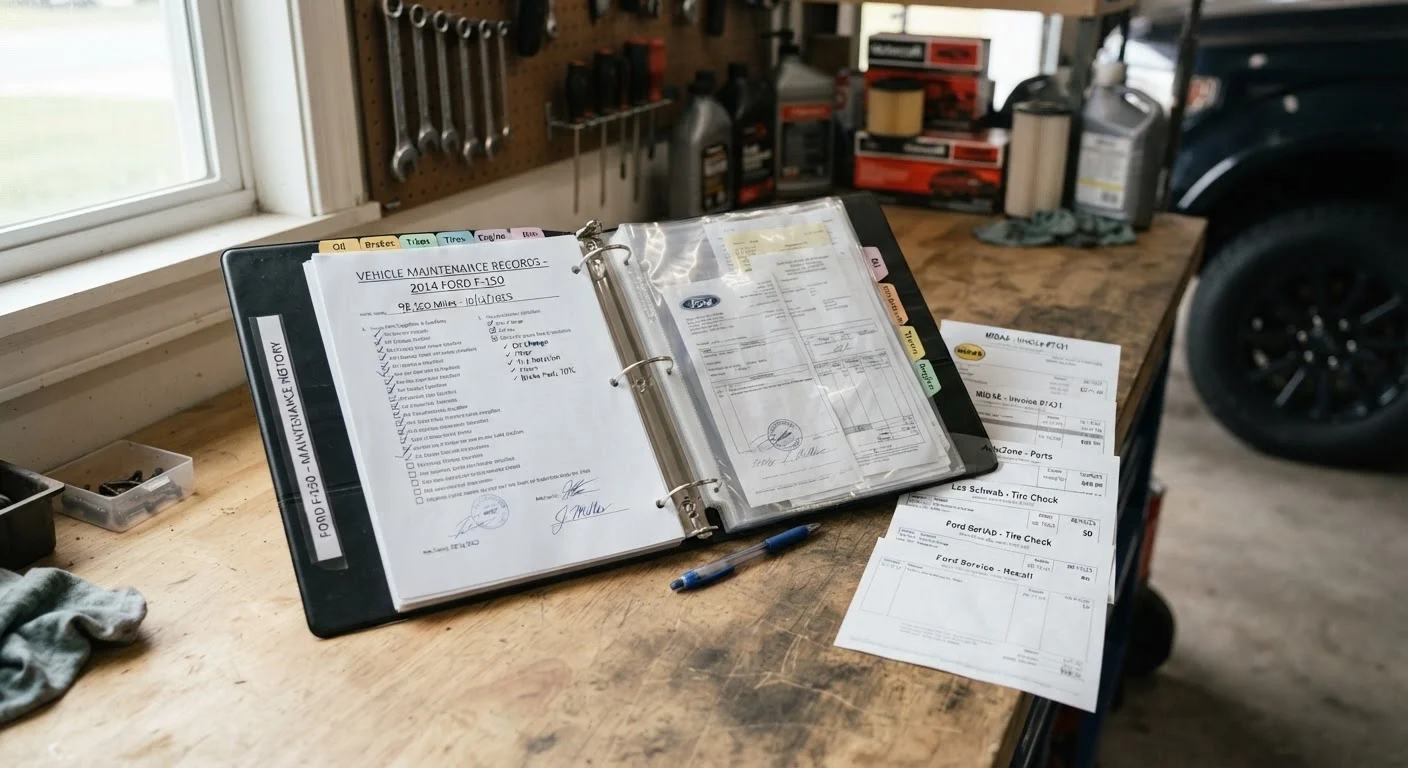
Running through this calendar is only half the job. Documenting what you did, when you did it, and what you found is what turns seasonal maintenance into a long-term asset. A clear service history helps mechanics diagnose problems faster, protects any remaining warranty coverage, and adds credibility when it's time to sell. Learn why keeping maintenance records pays off - it's a simple habit with an outsized return.
If you're new to owning a vehicle and some of these tasks feel unfamiliar, the fundamentals of car ownership for first-time drivers is a solid starting point. And don't overlook your filters - many drivers don't realize there are two separate air filters on most vehicles. Cabin and engine air filters serve very different purposes and follow different service intervals.
Your Owner's Manual Overrides General Advice
Every vehicle has manufacturer-specific service intervals for oil, filters, coolant, transmission fluid, and more. This calendar is a general framework - your owner's manual contains the authoritative schedule for your specific make, model, and engine. Following manufacturer intervals is also critical for maintaining any active warranty coverage. If you've lost your manual, most automakers provide digital versions on their official websites.
This article is for general informational purposes only. Always consult your vehicle's owner's manual and a qualified mechanic before performing or scheduling any maintenance tasks.