
Why Pet Mental Health Is a Medical Issue
For a long time, behavioral problems in pets were dismissed as training failures or personality quirks. Veterinary medicine has since moved well past that view. Conditions such as generalized anxiety, separation distress, and chronic stress are now understood to have measurable physiological effects - elevated cortisol levels, suppressed immune function, gastrointestinal disturbance, and changes in cardiovascular activity.
This means that a dog who destroys furniture when left alone or a cat who over-grooms until bald patches appear may not need better discipline. They may need a clinical evaluation. The behavioral and physical cues pets use to communicate distress are often subtle, and many owners only recognize them in hindsight.
Mental health concerns can also compound physical ones. A pet already managing a chronic condition may experience worsened symptoms when under psychological stress - and vice versa. Treating the whole animal, not just a single symptom, is increasingly the standard of care.
Behavioral Symptoms Deserve Medical Evaluation
A sudden change in a pet's behavior - increased aggression, withdrawal, compulsive movement, or appetite loss - should always prompt a veterinary visit before any behavioral intervention is attempted. These signs can reflect underlying pain, neurological changes, or systemic illness. Treating a behavioral symptom without first excluding a physical cause can delay necessary care and, in some cases, worsen the animal's condition.
How Anxiety and Stress Show Up in Pets
Anxiety in dogs and cats rarely looks the way people expect. Overt signs - trembling, hiding, vocalization - are recognizable, but many expressions of stress are far quieter. Common indicators include:
- Dogs: panting without physical exertion, yawning repeatedly in calm settings, lip licking, tail tucked, refusal to eat, hypervigilance, leash reactivity, or destructive behavior when alone
- Cats: hiding for extended periods, spraying outside the litter box, excessive vocalization, aggression toward familiar people or pets, or compulsive overgrooming
- Both species: changes in sleep patterns, appetite swings, sudden clinginess or withdrawal, and stress-related diarrhea
These signs can mimic or coexist with medical conditions such as hyperthyroidism in cats or pain-related irritability in dogs. That overlap is precisely why behavioral symptoms warrant veterinary attention rather than assumption. See also: overlooked physical conditions that alter pet behavior.
~70%
Dogs showing anxiety-related behaviors
Research published in Scientific Reports found that approximately 72% of dogs exhibit anxiety-related behavioral traits at a clinically relevant level.
1 in 5
Cats showing chronic stress signs
Veterinary behaviorists estimate a significant proportion of domestic cats display chronic low-grade stress behaviors, often going undetected by owners.
6-12 months
Typical delay before owners seek help
Surveys of pet owners suggest most wait many months after first noticing behavioral changes before consulting a veterinarian about the issue.
Boredom: The Underestimated Trigger
Boredom is not a minor inconvenience for pets - it is a welfare issue. Dogs are social, cognitively active animals that need mental engagement as much as physical exercise. Cats, though more independent, are natural hunters whose instincts go unmet in purely sedentary environments.
When those needs go chronically unmet, the result is not just bad behavior. Boredom-driven stress elevates baseline anxiety levels over time, contributes to compulsive behaviors such as tail chasing or repetitive vocalization, and can lower a pet's threshold for fear responses in ordinary situations.
A consistent daily structure that includes play, mental stimulation, and social interaction is one of the most evidence-supported tools for preventing boredom-related distress. Puzzle feeders, training sessions, scent work, and rotating toy access all provide cognitive engagement without requiring significant time or expense.
Simple Enrichment Counts
You don't need expensive equipment to combat boredom. Hiding portions of a pet's daily food ration in cardboard boxes, rotating two or three toys weekly, or teaching a new simple command for five minutes a day all provide meaningful cognitive engagement. Consistency matters more than complexity.
How Vets Assess Behavioral and Emotional Problems
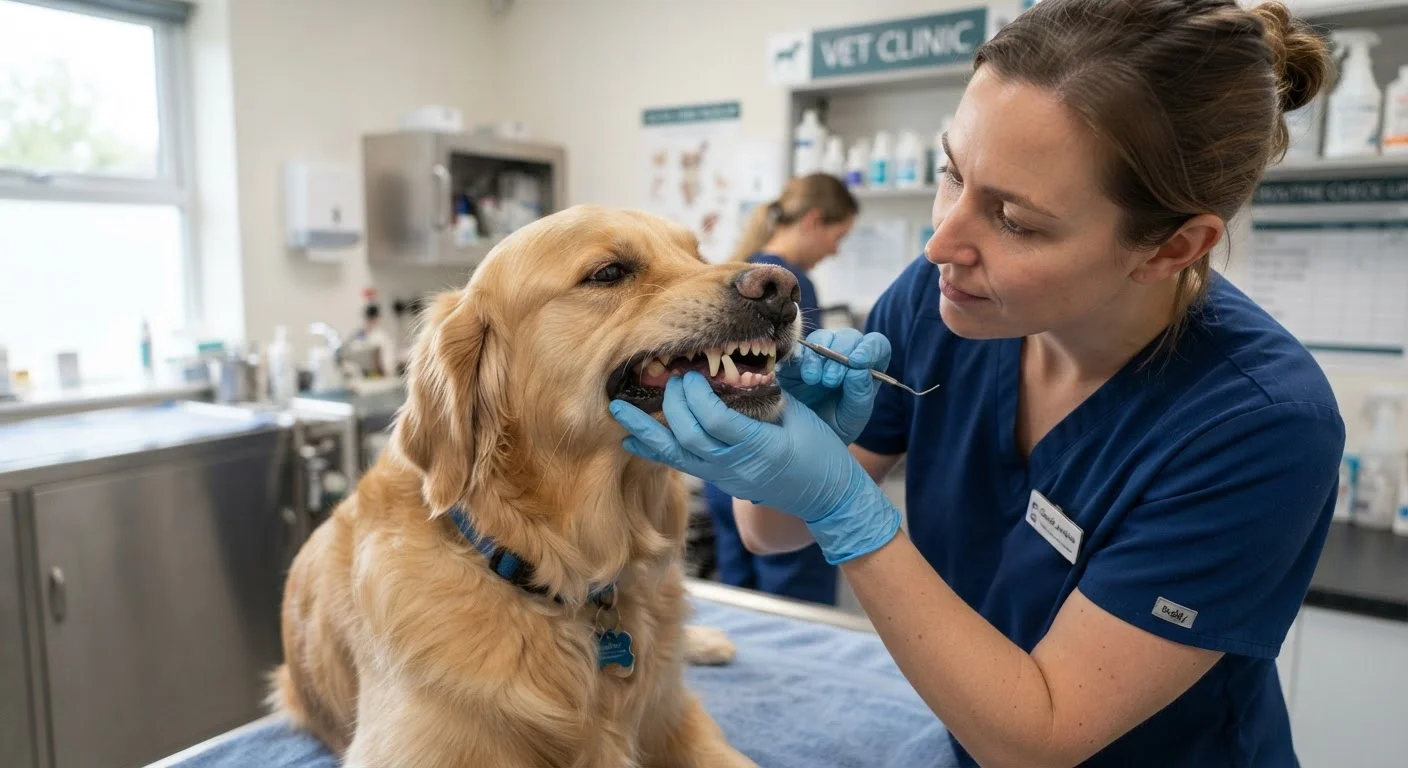
A thorough behavioral assessment starts with ruling out physical causes. A veterinarian will conduct a full physical exam and may order bloodwork, urinalysis, or imaging to ensure that what appears to be anxiety is not pain, neurological dysfunction, or an endocrine disorder driving the behavior.
Once physical causes are excluded or addressed, the focus shifts to behavioral history. Vets and veterinary behaviorists use structured questionnaires and observation to assess:
- Triggers and context for problematic behaviors
- Duration and frequency of episodes
- Prior changes in household, schedule, or social environment
- The pet's baseline temperament and any documented history
For complex or severe cases, a referral to a board-certified veterinary behaviorist - a specialist with advanced training in animal behavior and psychopharmacology - may be appropriate. These specialists apply the same evidence-based diagnostic rigor to mental health as any other medical subspecialty.
Keep a two-week behavioral diary before your vet appointment - noting time, trigger, behavior, and duration. This structured history dramatically improves diagnostic precision.
Veterinary behaviorists consistently report that owner-provided behavioral logs shorten the assessment process and lead to more targeted treatment plans.
When introducing environmental changes meant to reduce stress, make them gradually. Sudden rearrangements of a cat's territory or a dog's routine can temporarily worsen anxiety before it improves.
Abrupt changes remove familiar cues that anxious animals rely on for safety signals, potentially triggering a stress response even when the intended change is beneficial.
Management Strategies That Actually Work
Effective management of pet anxiety and stress typically involves multiple layers, tailored to the individual animal. No single approach works universally, but the following have the strongest evidence base:
- Environmental modification
- Reducing exposure to known stressors, providing safe retreat spaces, and using species-appropriate enrichment can meaningfully lower baseline stress. For cats, vertical space and hiding options are particularly effective. Even routine care like grooming can be adapted to minimize stress.
- Behavioral and desensitization training
- Graduated exposure to feared stimuli, paired with positive reinforcement, is one of the most durable treatments for phobias and anxiety in dogs. A certified veterinary behavior technician or applied animal behaviorist can guide this process safely.
- Routine and predictability
- Unpredictable schedules amplify anxiety. Consistent feeding times, walk times, and sleep routines signal safety to a nervous system that is scanning for threat.
- Medication when appropriate
- In moderate to severe cases, veterinarians may recommend anti-anxiety medications or supplements. These should only be used under veterinary guidance - dosing, drug interactions, and appropriateness vary significantly by species, weight, and health status. Never administer human medications to pets.
Never Self-Prescribe Calming Products
The market for pet calming supplements and pheromone products is largely unregulated, and efficacy varies considerably. More critically, some herbal or human anti-anxiety compounds are toxic to dogs and cats. Before starting any supplement or medication - including those labeled 'natural' - discuss it with your veterinarian to confirm it is safe and appropriate for your pet.
When to Seek Professional Help
Not every stressed pet requires a specialist, but certain patterns are clear signals to contact a veterinarian promptly:
- Self-injurious behavior such as licking or chewing to the point of wounds
- Aggression that appears suddenly or escalates
- Refusal to eat for more than 24-48 hours
- Complete withdrawal or inability to engage in previously enjoyed activities
- Panic responses to routine stimuli that worsen over time
Early intervention consistently produces better outcomes than waiting. A pet whose anxiety is addressed in its early stages is less likely to develop entrenched compulsive behaviors or secondary health complications tied to chronic stress. Part of responsible ownership is also planning for unexpected health needs - the practical preparedness checklist for pet health crises is worth reviewing alongside any ongoing behavioral management plan.
Your general practice veterinarian is the right first call. From there, they can determine whether a referral, behavioral intervention, medication, or a combination of approaches is warranted for your specific pet.
This article is for general informational and educational purposes only and does not constitute veterinary medical advice. Always consult a licensed veterinarian for guidance specific to your pet's health and behavior.