
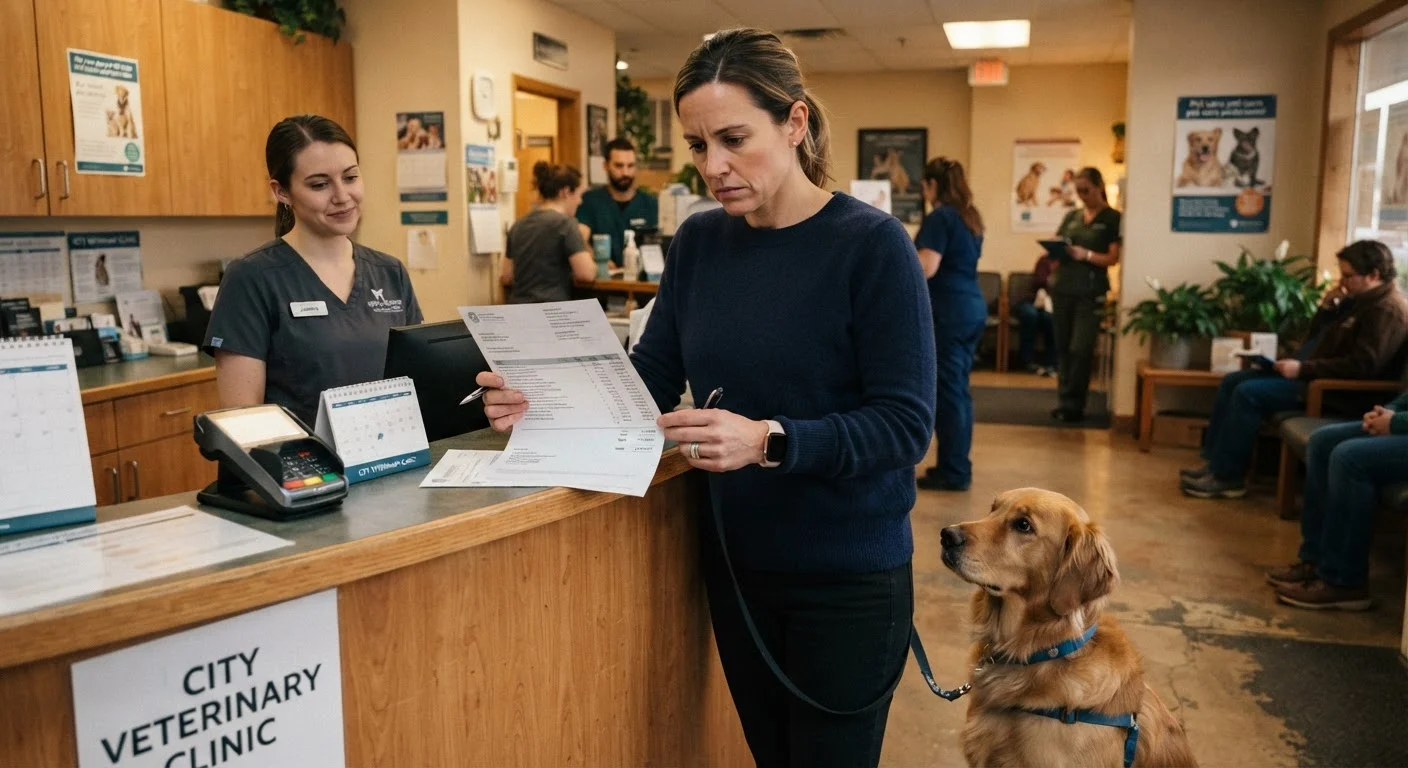
Why Vet Bills Keep Catching Owners Off Guard
Veterinary medicine has advanced significantly over the past two decades. Pets can now receive cancer treatment, orthopedic surgery, MRI scans, and intensive care that rival human hospitals in sophistication - and in price. Yet most people adopt a pet thinking primarily about food, a bed, and annual checkups. The gap between that expectation and reality is where financial shock lives.
According to the American Pet Products Association, Americans spend tens of billions of dollars each year on veterinary care, and emergency visits alone frequently run between $800 and $2,500 or more. Despite this, surveys consistently show that a large share of pet owners could not cover an unexpected $1,000 expense without financial strain. The result: heartbreaking decisions made under pressure, debt accumulated on credit cards, or care deferred until a condition worsens.
The good news is that most of the planning failures driving these outcomes are predictable and preventable. Understanding the specific mistakes owners make - and why - puts you in a much stronger position. For a broader look at the full financial picture of pet ownership, see The True Cost of Owning a Pet in America.
$800-$2,500+
Typical cost range for a single emergency vet visit
Emergency and specialty clinics regularly report visit totals in this range, with complex cases such as surgery or hospitalization exceeding $5,000.
1 in 3
Pets needing unexpected vet care each year
Pet insurance industry data suggests roughly one in three pets requires unplanned veterinary attention annually, underscoring the frequency of surprise expenses.
Common Mistakes That Lead to Vet Bill Shock
The following errors show up repeatedly among pet owners who find themselves financially unprepared for a veterinary crisis. Recognizing them early is the first step toward avoiding them.
Budgeting only for routine care and ignoring emergency costs.
Why it happens: New owners naturally focus on expected expenses - vaccines, food, flea prevention - and assume emergencies are rare or unlikely to happen to them.
Skipping preventive care to save money in the short term.
Why it happens: Annual wellness visits, dental cleanings, and parasite screenings feel optional when a pet appears healthy, making them easy to defer when budgets are tight.
Choosing a pet without researching breed-specific health risks.
Why it happens: Adoption and purchase decisions are often driven by appearance or personality, with little investigation into predispositions for conditions like hip dysplasia, heart disease, or brachycephalic airway issues.
Assuming pet insurance isn't worth it until a problem arises.
Why it happens: Insurance feels like an unnecessary cost when a young, healthy pet shows no signs of illness, so enrollment is postponed indefinitely.
Not discussing costs upfront with the veterinary team.
Why it happens: Many owners feel uncomfortable asking about pricing, or assume the vet will mention costs automatically before proceeding with diagnostics or treatment.
Deferring Care Can Multiply Costs
When a health concern is noticed but care is delayed due to cost concerns, conditions frequently worsen - turning a manageable early-stage issue into a more complex, expensive one. If cost is a barrier, speak directly with your veterinarian about payment plans or prioritized treatment options rather than waiting. Many practices can work with owners on phased care plans.
If you're also unsure which costs tend to sneak up on owners beyond emergency visits, what pet owners mean when they talk about hidden costs is worth reading alongside this guide.
Building a Realistic Financial Safety Net
Once you recognize the planning gaps, the path forward becomes clearer. Financial preparedness for pet ownership doesn't require a large upfront investment - it requires consistent, intentional habits.
Start a dedicated pet savings fund. Even setting aside $30-$50 per month in a separate savings account creates a meaningful cushion over time. Treat it like any other recurring expense rather than an optional extra.
Understand what pet insurance actually covers. Pet health insurance varies widely in terms of premiums, deductibles, reimbursement rates, and exclusions. Policies typically work on a reimbursement model - you pay the vet, then file a claim. Pre-existing conditions are almost universally excluded. Review any policy carefully and consult a licensed insurance agent if you have questions about your specific situation. This article is general information and not personalized insurance advice.
Ask your vet about wellness plans. Many practices offer in-house wellness plans that bundle routine services at a predictable monthly cost. These don't replace emergency savings but help smooth out annual preventive costs. Smart ways pet owners keep routine care costs under control covers this in more detail.
No Financial Safety Net Is Risk-Free
Neither pet insurance nor a savings fund guarantees that you'll be fully covered for every scenario. Insurance policies have exclusions, annual limits, and waiting periods. Savings funds may not grow quickly enough before a crisis occurs. The strongest approach combines both strategies and includes an honest conversation with your veterinarian about your financial situation so care decisions can be made together.
Consistent home care also plays a role. Regular grooming, dental hygiene, weight monitoring, and behavioral observation allow owners to catch early warning signs before they escalate. See Building a Home Care Routine That Keeps Vet Bills Predictable for practical guidance on what that looks like day-to-day.
This article is for general informational purposes only and does not constitute veterinary, financial, or insurance advice. Consult a licensed veterinarian for questions about your pet's health, and a licensed financial or insurance professional for questions about your specific financial situation.