
Why 'Hidden' Doesn't Mean Unexpected - Just Unplanned
When pet owners talk about hidden costs, they are rarely describing expenses that come out of nowhere. Grooming a dog, cleaning a cat's teeth, or paying for boarding during a vacation are all predictable needs. What makes these costs feel hidden is that they rarely appear in the mental checklist new owners run through before adopting.
The adoption fee, a bag of food, a collar, and a first vet visit - those are the costs people plan for. What follows over months and years is a different financial story. Understanding that story in advance is one of the most practical steps any new owner can take. For a broader look at the full financial picture, see The True Cost of Owning a Pet in America.
$1,500+
Typical minimum emergency vet visit cost
Industry estimates from veterinary care organizations suggest a single emergency treatment episode often starts at this level, before diagnostics and hospitalization are factored in.
$300-$700
Average cost of a veterinary dental cleaning
Figures vary by region, practice, and what is found during the procedure; the American Veterinary Dental College notes cleanings requiring extractions can cost substantially more.
$1,000-$3,000+
Annual hidden costs beyond food and standard vet visits
Estimates from pet financial planning resources suggest owners consistently underestimate recurring and variable costs by this margin, particularly in years with a health event.
Recurring Costs That Catch Owners Off Guard
Grooming is one of the clearest examples. Long-haired breeds like Golden Retrievers, Doodles, and Shih Tzus require professional grooming every six to eight weeks to prevent painful matting and skin problems. At typical rates, annual grooming costs can range from several hundred to over a thousand dollars depending on breed and location. Owners who assumed grooming was optional often discover quickly that for many breeds, it is not. The comparison between professional grooming and at-home care can help owners find the right balance for their budget and pet's needs.
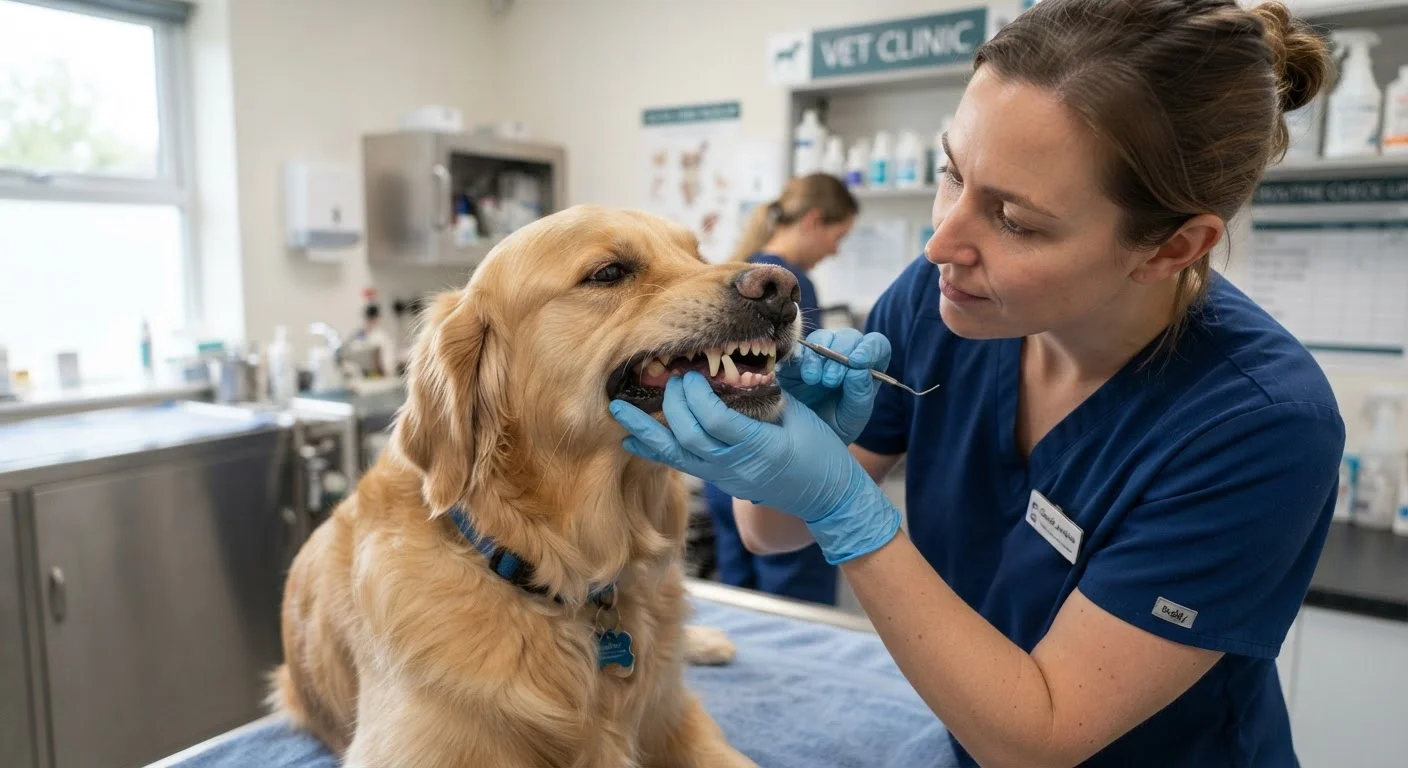
Dental care is another expense that surprises many. Veterinary dental cleanings require general anesthesia and typically cost between $300 and $700 or more, depending on what is found during the procedure. Dental disease is one of the most common health conditions in dogs and cats, and skipping cleanings does not eliminate the problem - it often makes treatment more expensive later. Learn more about why dental disease is so frequently overlooked by pet owners.
Boarding and pet-sitting fees accumulate any time an owner travels. Depending on the facility and location, boarding can run $30 to $85 or more per night for dogs. Over a year with a few trips, this easily becomes a significant line item that many owners never factored in during adoption planning.
Build a Pet Savings Buffer Before You Need It
Financial advisers who specialize in household budgeting often recommend treating pet care like a recurring utility bill - setting aside a fixed monthly amount into a dedicated account. Even modest monthly contributions build meaningful reserves that absorb grooming bills, dental cleanings, and minor emergencies without disrupting your broader budget. Starting this habit before a crisis is far easier than responding to one.
Emergency and Specialty Costs: The Largest Financial Shocks
Emergency veterinary care is consistently reported as the single largest financial surprise in pet ownership. A dog that swallows a foreign object, a cat with a urinary blockage, or a pet hit by a car can generate bills in the range of $1,500 to $5,000 or more, often requiring a decision within hours. These situations rarely allow time to compare options or plan a financial response.
Specialty referrals - to veterinary cardiologists, oncologists, or orthopedic surgeons - carry their own cost tier, sometimes exceeding what a primary care vet charges by a significant margin. Conditions like hip dysplasia, heart disease, or cancer in a beloved pet can involve months of ongoing treatment.
Why vet bills surprise so many pet owners explores how these costs happen and how to prepare before an emergency strikes.
The Costs That Creep Up Over Time
Beyond emergencies and recurring services, some costs build so gradually that owners barely notice until they add up. Prescription flea, tick, and heartworm prevention - when purchased monthly for a dog's entire life - represents a substantial long-term investment. Prescription diets for pets with allergies, kidney disease, or digestive conditions can cost two to three times more than standard food. Behavioral training, which many owners view as optional, often becomes necessary after a pet develops anxiety, aggression, or destructive habits.
Medications for chronic conditions - arthritis, thyroid disorders, diabetes - may need to be refilled for the remainder of a pet's life. These are not emergencies; they are steady, compounding obligations.
Owners curious about which of these costs are often dismissed by myths should read pet ownership cost myths that keep misleading new owners. And for those already committed to ownership, smart ways to keep routine care costs under control offers practical strategies for managing the expense load without compromising your pet's wellbeing.
Multi-Pet Households Face Compounding Costs
Owners with more than one pet don't simply double their hidden cost exposure - some costs scale and others don't. Boarding fees, for example, multiply per animal, while a single vet visit for multiple pets may allow some efficiencies. Understanding where costs compound is especially important for multi-pet planning. See where costs scale in multi-pet households for a closer look.