Why Water Intake Varies So Much Between Species
Water is essential to virtually every biological process - digestion, circulation, temperature regulation, and waste removal. But how much water a pet actually needs depends on a cluster of variables: body weight, metabolic rate, diet composition, activity level, ambient temperature, and species-specific physiology.
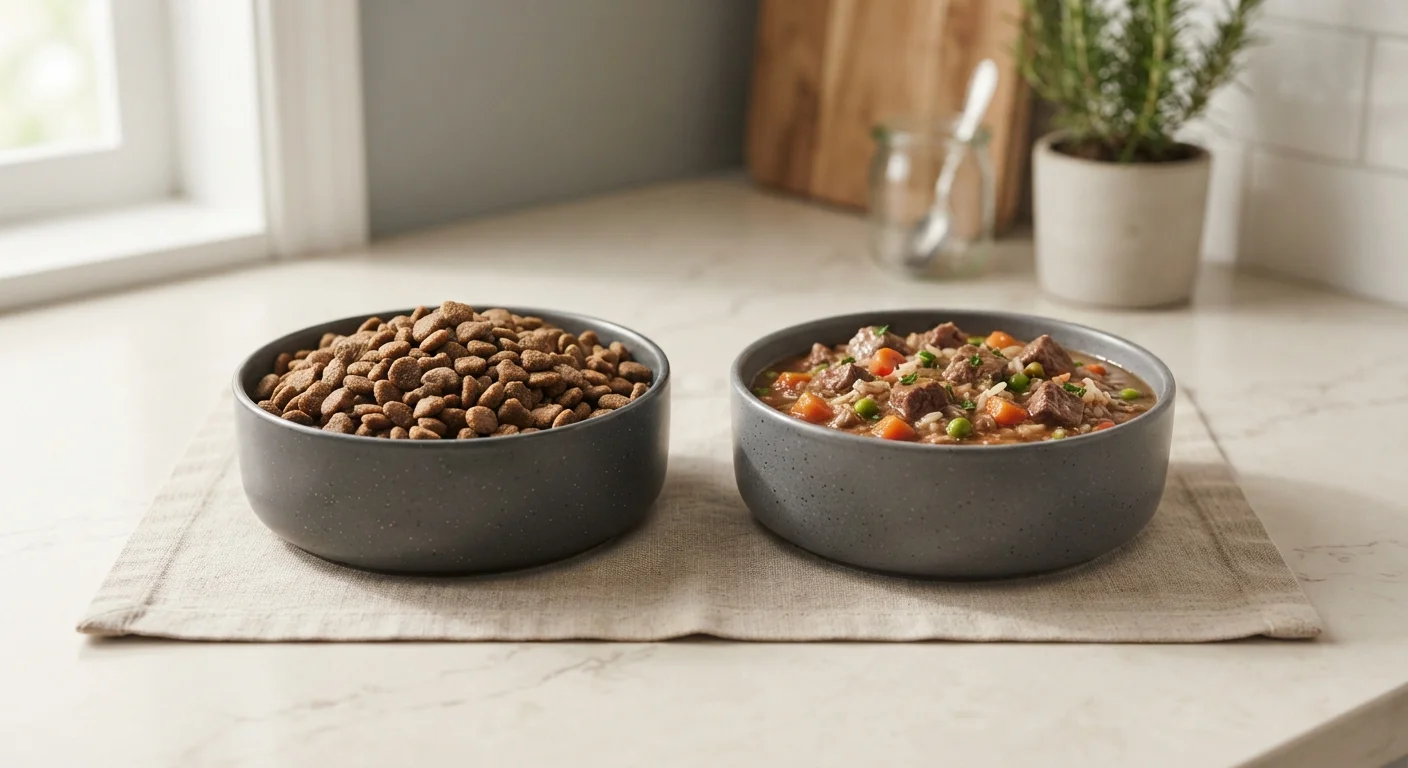
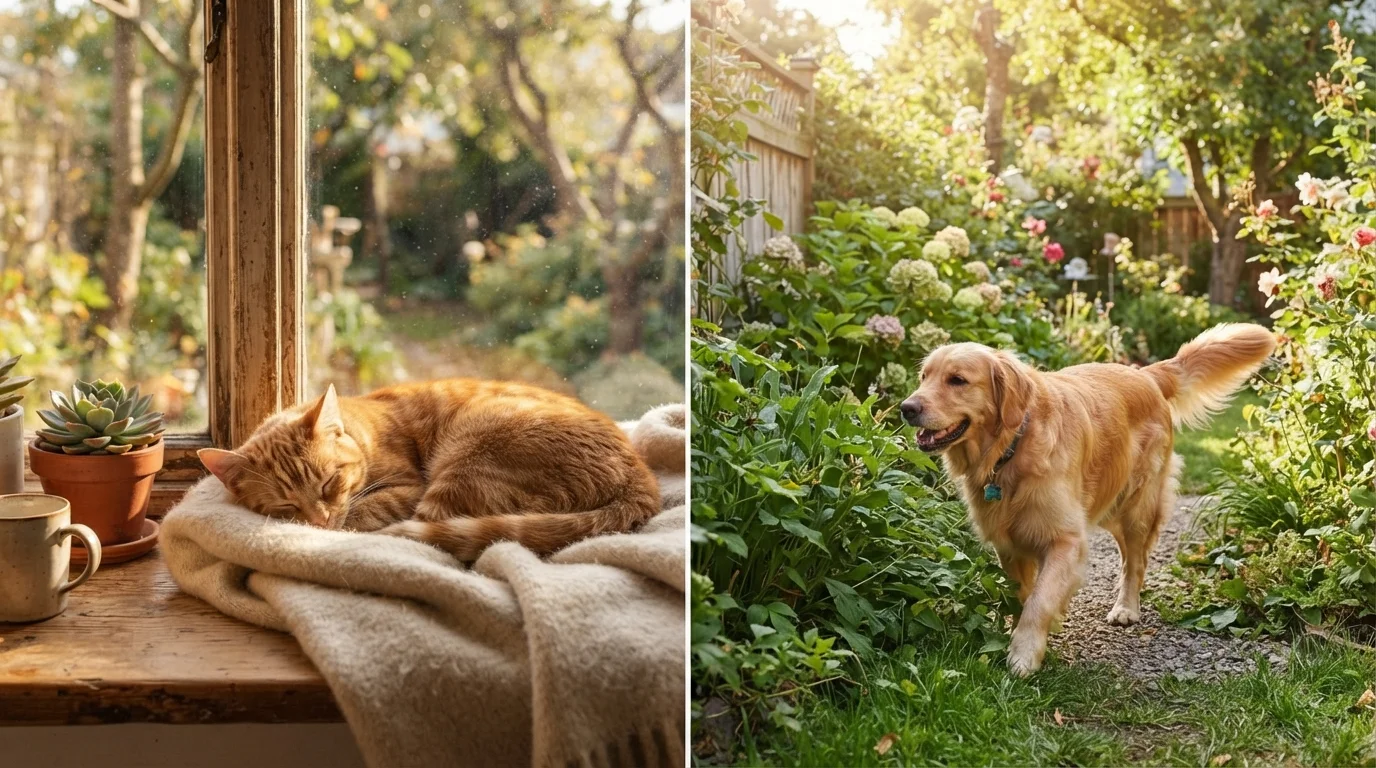
A dog eating dry kibble, for example, needs significantly more supplemental water than one eating wet food, which can be up to 80% moisture by weight. Similarly, cats evolved as desert-adapted hunters and have a lower innate thirst drive than dogs - a fact that makes feline hydration a more active management concern for owners. For a deeper look at how food type affects hydration, see how dry and wet food differ for your pet.
Understanding baseline needs across species gives owners a practical reference point for recognizing when something may be off - without replacing veterinary guidance.
| Dog daily water guideline | ~1 oz per lb of body weight (General veterinary estimate) |
| Cat daily water guideline | ~3.5-4.5 oz per 5 lbs body weight (General veterinary estimate) |
| Rabbit daily intake range | 50-150 ml per kg body weight (General small animal veterinary reference) |
| Wet food moisture content | Up to 80% water by weight (Typical commercial wet food composition) |
| Bird daily water need | ~5-10% of body weight per day (General avian care reference) |
| Guinea pig daily water need | ~80-100 ml per kg body weight (General small mammal veterinary reference) |
Species-by-Species Hydration Reference
The following general guidelines reflect commonly cited veterinary estimates. Individual animals may fall outside these ranges. Always consult a veterinarian if you notice significant changes in your pet's drinking behavior.
Dogs
A general veterinary guideline is approximately 1 ounce of water per pound of body weight per day. A 50-pound dog would therefore need roughly 50 oz (about 6 cups) daily. Active dogs, nursing females, and those in hot climates typically need more. Puppies also tend to drink more relative to their size than adult dogs.
Cats
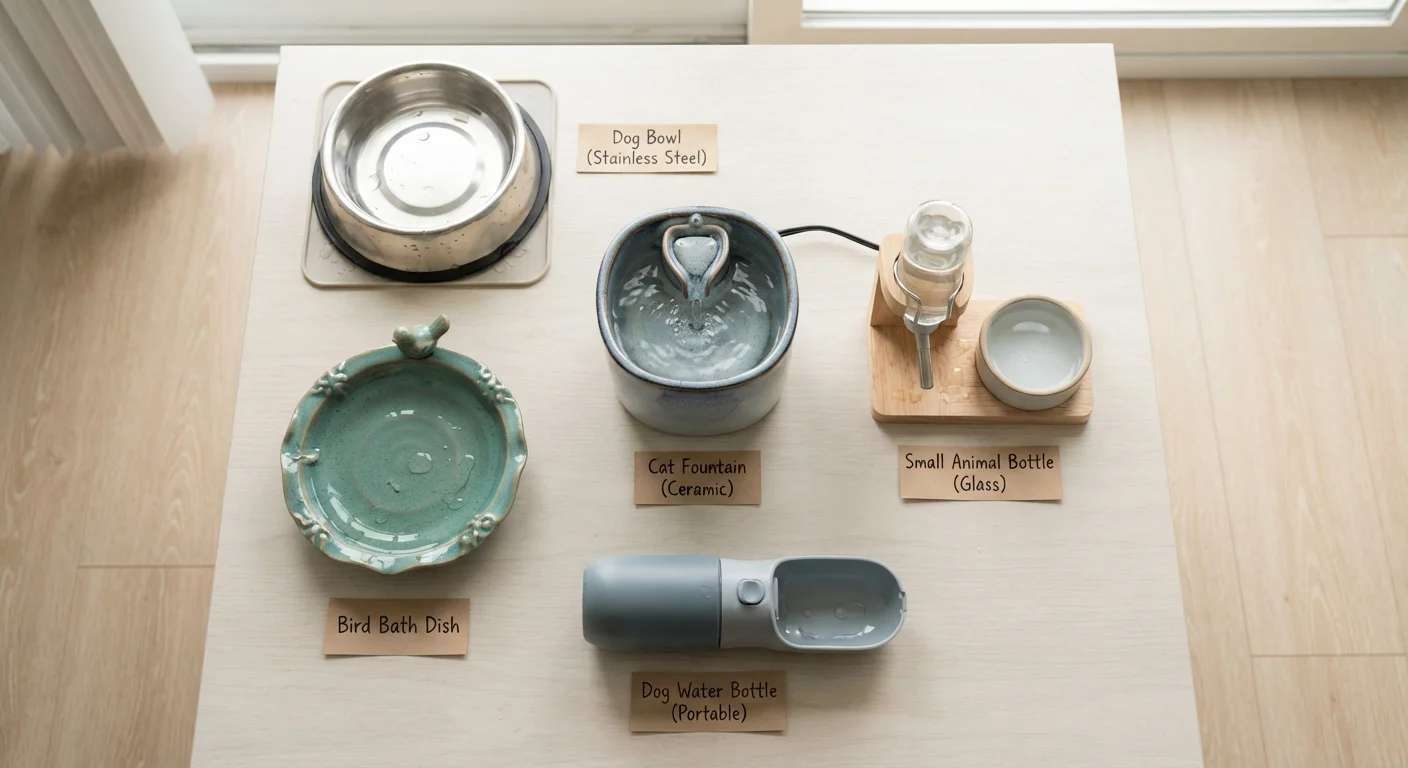
Cats generally require about 3.5-4.5 oz of water per 5 lbs of body weight daily, from all sources combined. A 10-pound cat on dry food may need close to 1 cup of water per day, while one eating wet food may obtain most of that through meals. Running water fountains are often recommended because many cats are more willing to drink from moving water.
Rabbits
Rabbits typically consume 50-150 ml of water per kilogram of body weight per day. A 2 kg (roughly 4.4 lb) rabbit might drink 100-300 ml daily. Fresh leafy greens also contribute to total fluid intake. Both water bottles and heavy ceramic bowls are commonly used, though bowls allow more natural drinking postures.
Guinea Pigs
Guinea pigs generally drink approximately 80-100 ml per kilogram of body weight per day. Fresh vegetables with high water content, such as cucumber or lettuce, supplement but do not replace the need for fresh, clean water available at all times.
Birds (Parrots, Cockatiels, Budgies)
Small to medium pet birds typically consume 5-10% of their body weight in water daily. Fresh water must be provided and changed daily, as birds frequently contaminate their water dishes with food and droppings. Larger parrots may drink more, particularly in warm environments.
Reptiles
Hydration in reptiles is highly species-dependent. Tropical species like ball pythons and bearded dragons benefit from regular misting and a shallow soak dish. Desert reptiles such as leopard geckos need far less ambient humidity. Many reptiles also absorb moisture through skin contact. A reptile-specialist vet is the best resource for species-specific guidance.
Skin turgor test
A simple field assessment of hydration where a small fold of skin is gently pinched and released. In a well-hydrated animal, skin snaps back immediately; delayed return can suggest dehydration. Accuracy varies by species and individual factors.
Ad libitum water access
A term meaning water is available to a pet at all times, without restriction. This is the standard recommendation for most domestic animals under normal health conditions.
Moisture content (food)
The percentage of water present in a pet food product. Wet or canned foods typically contain 70-80% moisture, while dry kibble generally contains only 8-12%.
Osmotic regulation
The biological process by which an animal's body maintains appropriate water and electrolyte balance across cells and tissues. Disruption through dehydration or overhydration can have serious health consequences.
Signs of Dehydration Across Pets
Recognizing dehydration early is important regardless of species. Common indicators include:
- Dogs and cats: Skin turgor loss (skin doesn't snap back quickly when gently pinched), dry or sticky gums, sunken eyes, lethargy, reduced urination
- Small mammals: Lethargy, loss of appetite, dry nasal passages, skin tent test results similar to dogs and cats
- Birds: Ruffled feathers, sunken eyes, dry droppings, or dark urine portion of droppings
- Reptiles: Sunken eyes, wrinkled or loose skin, difficulty shedding, prolonged periods of inactivity
If you suspect your pet is dehydrated, contact your veterinarian promptly. Dehydration can escalate quickly in small animals and young pets. This is especially relevant for senior pets, whose kidney function and thirst regulation may decline with age.
This article provides general educational information only and is not a substitute for professional veterinary advice. Always consult a licensed veterinarian for concerns about your specific pet's health or hydration status.