
Why Aging Changes Everything for Pets
Pets age considerably faster than humans, and the physiological changes that accompany aging are real and meaningful. A 10-year-old Labrador isn't just an "older dog" - it is experiencing shifts in organ efficiency, hormonal balance, immune function, and sensory acuity that require an adjusted approach to care.
Understanding these changes isn't just about being emotionally prepared. It's about making practical decisions - around diet, exercise, vet scheduling, and home environment - that can meaningfully affect a senior pet's quality of life. For owners managing multiple animals at different life stages, these considerations also have financial dimensions worth planning for. See our guide to multi-pet cost planning for more context on how care costs shift across a household.
~28%
Senior dogs affected by osteoarthritis
Studies in veterinary literature suggest arthritis affects a significant proportion of dogs over age 8, with prevalence increasing sharply in larger breeds.
2x/year
Recommended vet visit frequency for seniors
Veterinary organizations generally advise biannual wellness exams for senior pets, double the once-yearly standard for healthy adult animals.
30-40%
Senior cats affected by chronic kidney disease
Published veterinary research estimates that chronic kidney disease affects a substantial share of cats over age 10, making it one of the leading diagnoses in feline geriatric care.
Organ Function and Internal Health Monitoring
Among the most significant changes in senior pets is declining function in the kidneys, liver, heart, and thyroid gland. Chronic kidney disease is one of the most common conditions in older cats. Hypothyroidism is prevalent in senior dogs, while hyperthyroidism frequently affects aging cats. Heart disease, particularly mitral valve disease in small dog breeds, becomes increasingly common past age 8.
Routine bloodwork and urinalysis become especially valuable during this phase. These tests can identify changes in organ function before outward symptoms appear - a critical window for intervention. Veterinarians typically recommend biannual wellness exams for senior pets precisely because so much can shift in six months.
Owners who notice behavioral changes - increased thirst, more frequent urination, unexplained weight loss, or lethargy - should contact a veterinarian promptly. Recognizing subtle signs of discomfort in pets is a skill that becomes even more important as animals age, since many mask illness instinctively.
Bloodwork Baselines Matter
Establishing a baseline panel of bloodwork results while your pet is still healthy makes it much easier for veterinarians to detect meaningful changes as your animal ages. A result that falls within 'normal' reference ranges may still represent a significant shift from that individual's personal baseline. Ask your vet about starting routine panels before your pet officially reaches senior status.
Nutritional Shifts for Aging Bodies
Metabolism slows as pets age, and the nutritional requirements that sustained a healthy adult may no longer be appropriate for a senior animal. Muscle mass tends to decrease - a process called sarcopenia - which can be partially offset by adequate, high-quality protein intake. Paradoxically, some senior pets need more protein to maintain lean body mass, not less, though specific needs depend on the individual animal and any concurrent health conditions.
Caloric needs typically decrease as activity levels drop, making weight management an important focus. Obesity in senior pets exacerbates joint problems, strains the cardiovascular system, and may worsen conditions like diabetes. Conversely, unexplained weight loss in an older pet warrants prompt veterinary attention.
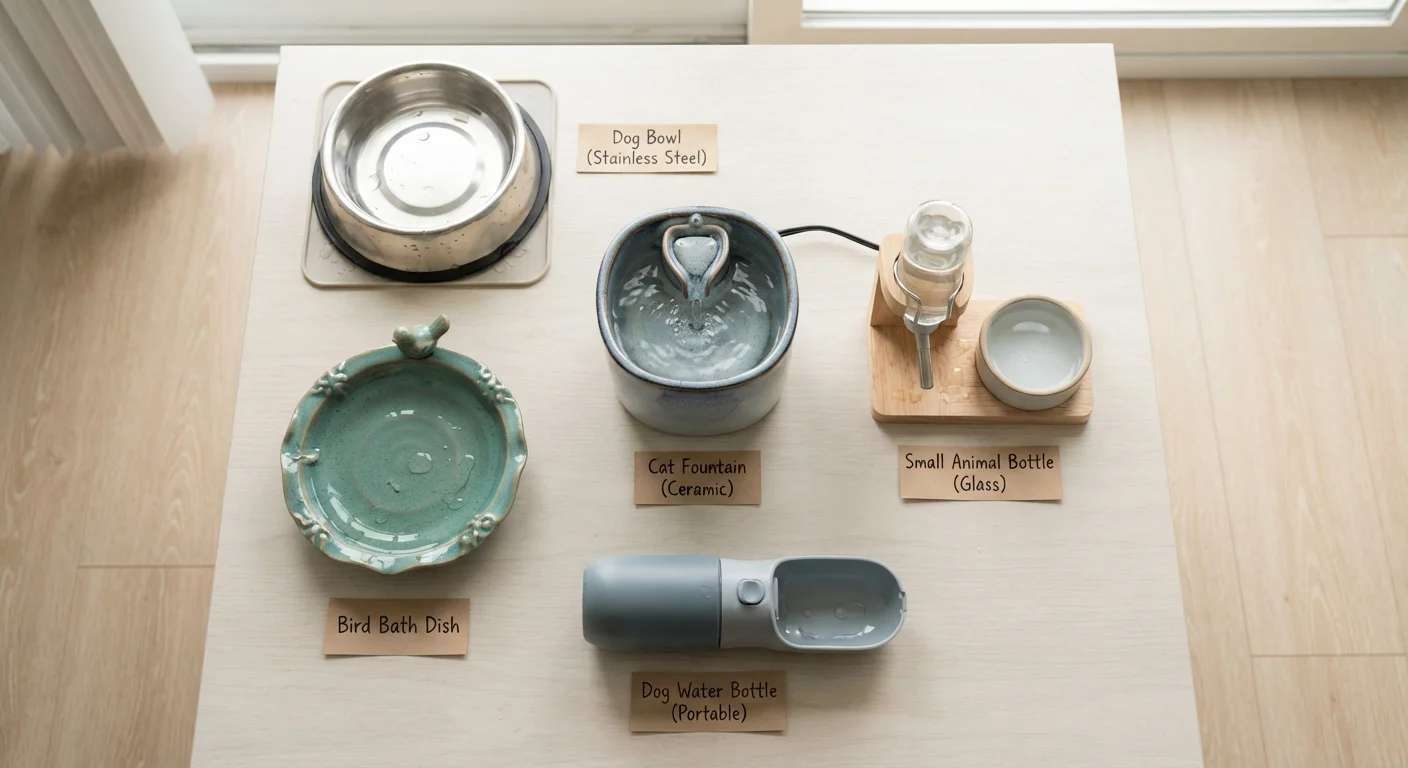
Hydration also becomes more critical as kidney function declines. Wet food or water-rich diets may support kidney health in older cats in particular. See our overview of daily hydration needs across common pets for species-specific context.
Mobility, Comfort, and Environmental Adaptation
Osteoarthritis is extremely common in senior dogs and cats, though cats often go undiagnosed because they tend to simply reduce their activity rather than show obvious lameness. Signs may include reluctance to jump, difficulty using stairs, stiffness after sleep, or reduced grooming in cats who can no longer reach certain areas comfortably.
Veterinarians may recommend pain management strategies, physical rehabilitation, or specific supplements depending on the pet's condition. Environmental modifications can also make a substantial difference: ramps to favorite resting spots, orthopedic bedding, raised food and water bowls, and non-slip flooring can reduce daily discomfort without significant expense.
Mental stimulation matters too. Cognitive dysfunction syndrome - a condition in senior dogs and cats that resembles aspects of dementia - affects a meaningful proportion of older animals. Structured enrichment adapted to reduced physical capacity helps maintain brain health. Our enrichment guide by life stage covers approaches suited to senior pets specifically.
Simple Home Modifications for Senior Comfort
Small environmental changes can make a significant difference for an arthritic or cognitively declining pet. Consider adding a low-sided litter box, a ramp to the sofa or bed, and orthopedic or memory-foam bedding in a warm, draft-free location. Non-slip rugs on hardwood or tile floors can help pets with reduced coordination maintain stability during daily movement.
Planning for Higher Care Costs and End-of-Life Needs
Senior pet ownership typically involves higher veterinary expenditure. Diagnostic testing, specialist referrals, prescription medications, and therapeutic diets all add up - often in ways first-time owners don't anticipate. End-of-life care costs in particular are frequently underestimated, from palliative care through to final arrangements.
Proactive planning helps. Establishing a consistent home-care routine that includes dental hygiene, coat and skin monitoring, and behavioral observation can catch problems early, when they're often less expensive to address. See our guide to building a home care routine for a practical framework. Discussing wellness plans and preventive care options with your veterinarian - and reviewing how routine care costs can be managed - are steps worth taking well before the senior years arrive.
This article is for general informational purposes only and does not constitute veterinary or medical advice. Always consult a licensed veterinarian regarding your individual pet's health, diagnosis, or treatment needs.