Why Even Careful Shoppers Get Caught
Spending traps aren't aimed at impulsive shoppers. Many of the most effective retail mechanics specifically target people who think carefully about value - because those shoppers are looking for reasons to justify a purchase. Give them a bundle deal or a tiered discount, and they'll do the math themselves and arrive at the conclusion the retailer already planned for them.
These tactics work because they're built on genuine psychological patterns: the way humans evaluate loss versus gain, respond to round numbers, and anchor judgments to the first price they see. You don't have to be uninformed to be susceptible - you just have to be human. Understanding the psychology behind unplanned purchases helps, but retail mechanics can trip up even readers who've done that homework.
The mistakes below are among the most common. Each one describes what's actually happening at the structural level, so you can recognize it before your cart total reflects it.
Spending more to qualify for free shipping.
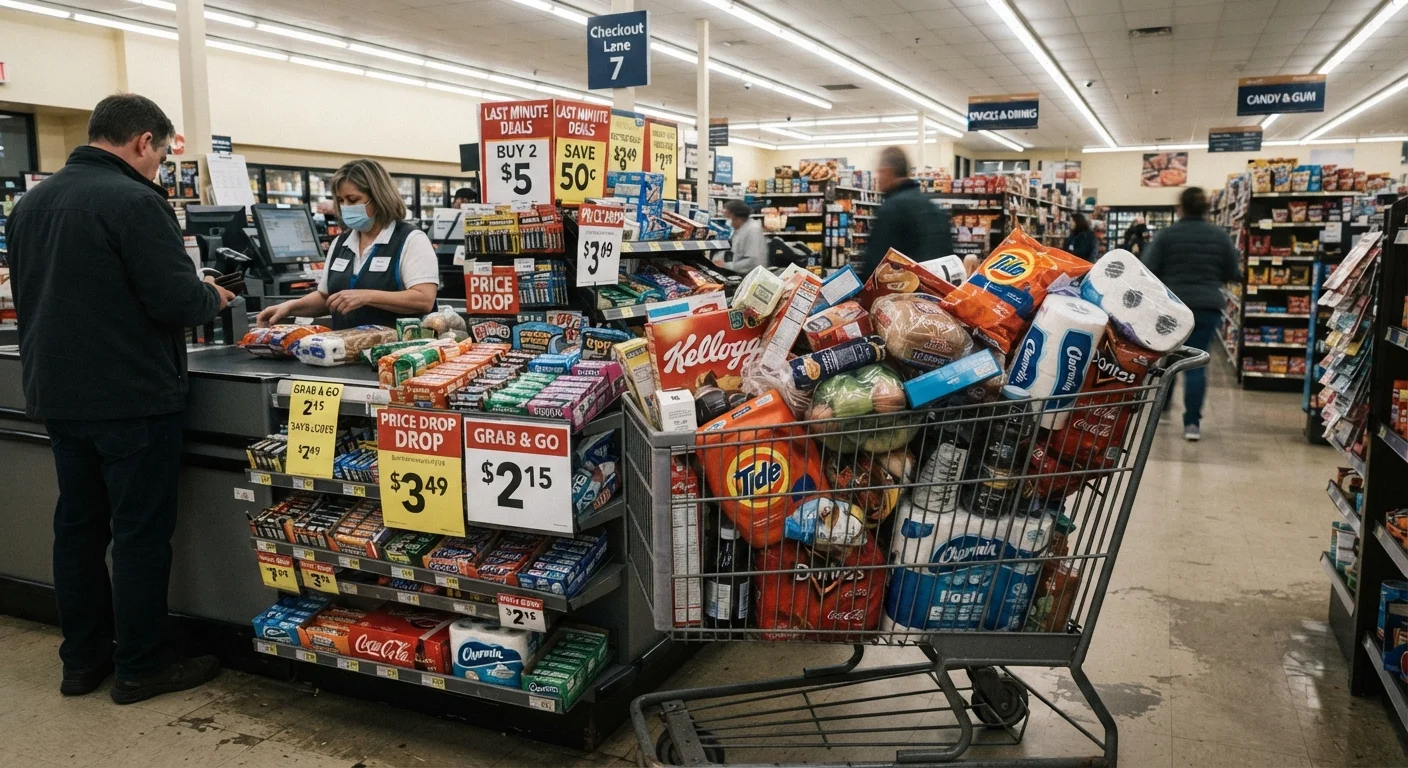
Why it happens: A threshold like "free shipping on orders over $50" creates a loss-aversion trigger - paying for shipping feels like a penalty, so adding items feels rational. Retailers set these thresholds to land just above a common natural cart total.
Treating bundle deals as automatic savings.
Why it happens: Bundles present a combined price that looks lower than buying items separately - and often it is, marginally. But the comparison only makes sense if you actually need all the bundled items. Most shoppers evaluate the bundle against the inflated individual prices, not against the cost of buying only what they need.
Anchoring to the original price instead of asking what the item is worth.
Why it happens: When you see "was $80, now $52," your brain anchors to $80 and evaluates $52 as a gain - even if you'd never have considered paying $80 to begin with, and even if $52 is above market value for that item. Anchor pricing is a foundational retail mechanic.
Upgrading to a larger size or tier because the per-unit math seems favorable.
Why it happens: Tiered pricing - small/medium/large, basic/premium - often makes the larger option look like the efficient choice on a per-unit basis. That math is real, but it ignores whether you'll use the full quantity, store it adequately, or whether the quality difference justifies the cost.
Buying items labeled 'limited time' or 'low stock' without verifying urgency.
Why it happens: Scarcity cues - countdown timers, low-stock warnings, "only 3 left" - create artificial urgency that shortcuts deliberate decision-making. Online retailers can generate these prompts dynamically regardless of actual inventory levels.
Practical Habits That Close the Gap
Awareness alone doesn't fully protect you - habits do. A few low-effort practices make it significantly harder for retail mechanics to work on you without your knowledge.
~65%
Shoppers who add items to meet free-shipping minimums
A National Retail Federation survey found that roughly 65% of online shoppers have added items to a cart specifically to qualify for free shipping.
40%+
Consumers who've regretted an impulse purchase
Consumer research consistently finds that more than four in ten shoppers report buyer's remorse tied to unplanned or pressure-driven purchases made in the prior month.
Check the unit price before comparing pack sizes. Most grocery and big-box stores are required to display unit pricing on shelf tags, but it's easy to overlook. The unit price is often the only number that matters when comparing two versions of the same product - it strips out all the packaging math.
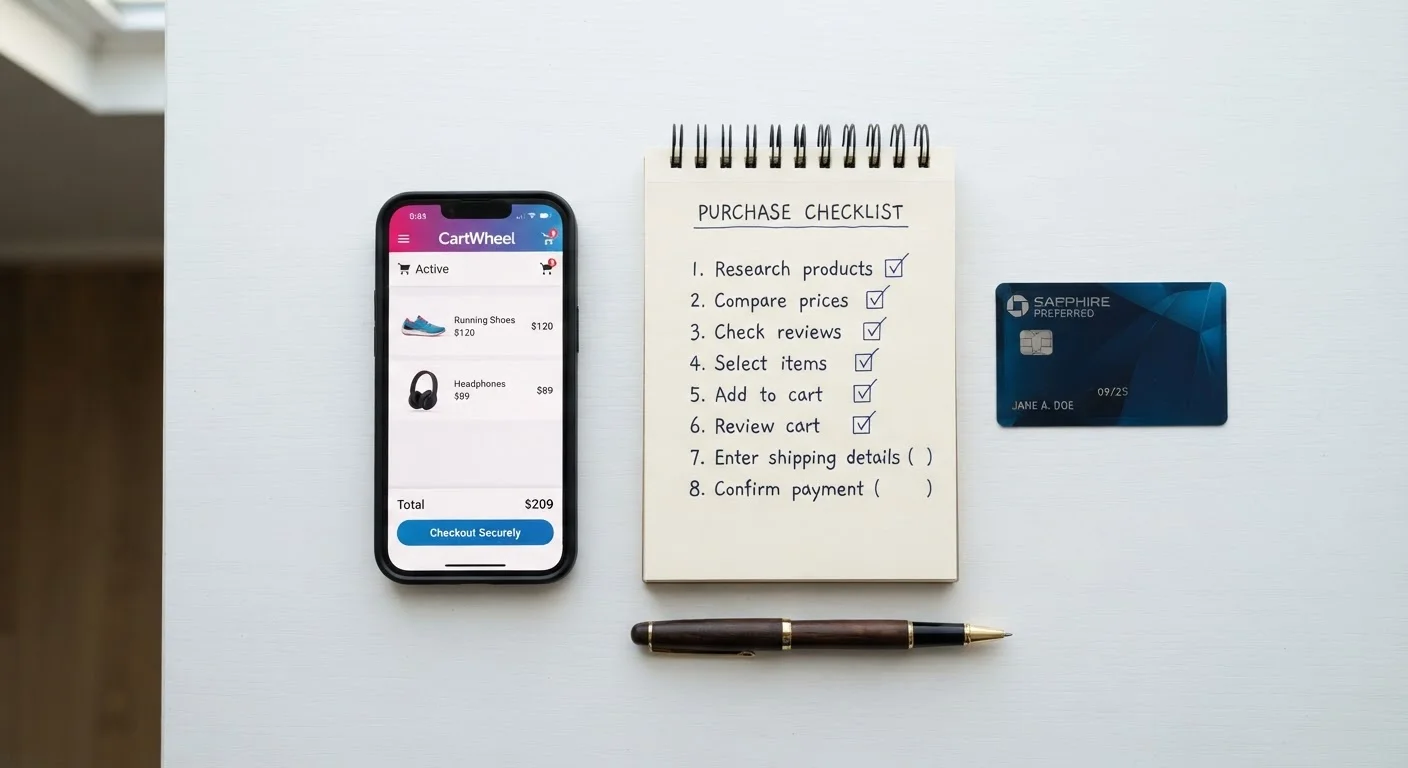
Set a cart total before you browse, not after. Deciding your ceiling when you're not yet looking at products is more reliable than reassessing mid-browse. This is especially useful when shopping online, where "related items" and "frequently bought together" prompts are continuous. The pre-purchase checklist approach formalizes this into a repeatable routine.
Review promotional pricing skeptically. A sale badge doesn't confirm savings - it confirms that a price was changed. Sale pricing has its own mechanics that are worth understanding separately. When in doubt, note the item and check the price again in a week; genuine clearance rarely reverses.
These habits compound. Readers who track their spending tend to spot patterns faster - if that's something you're working on, tracking spending doesn't have to be tedious to be effective. And if you've noticed that your budget keeps coming up short despite careful planning, some spending categories are easy to forget until they're not.
Subscription Upsells Inside Checkouts
Some retailers embed auto-renewing membership or loyalty program sign-ups within the standard checkout flow, sometimes as pre-checked boxes. Before completing any purchase, review the order summary carefully for recurring charges you didn't intentionally select. These are easy to miss and can be difficult to cancel. For a broader look at this pattern, see our coverage of how recurring charges accumulate.