Why Impulse Buying Happens
Impulse buying isn't a character flaw - it's a predictable response to carefully engineered environments. When you grab something you didn't plan to buy, your brain's reward circuitry is reacting faster than your rational decision-making centers can catch up. The emotional brain fires first; the reasoning brain arrives late.
Several psychological mechanisms fuel this dynamic. Scarcity framing - "Only 2 left in stock" - activates loss aversion, one of the most powerful forces in decision-making. Social proof, such as star ratings or "bestseller" badges, reduces perceived risk. Mood plays a major role too: shoppers who feel bored, stressed, or rewarded are measurably more susceptible to unplanned purchases.
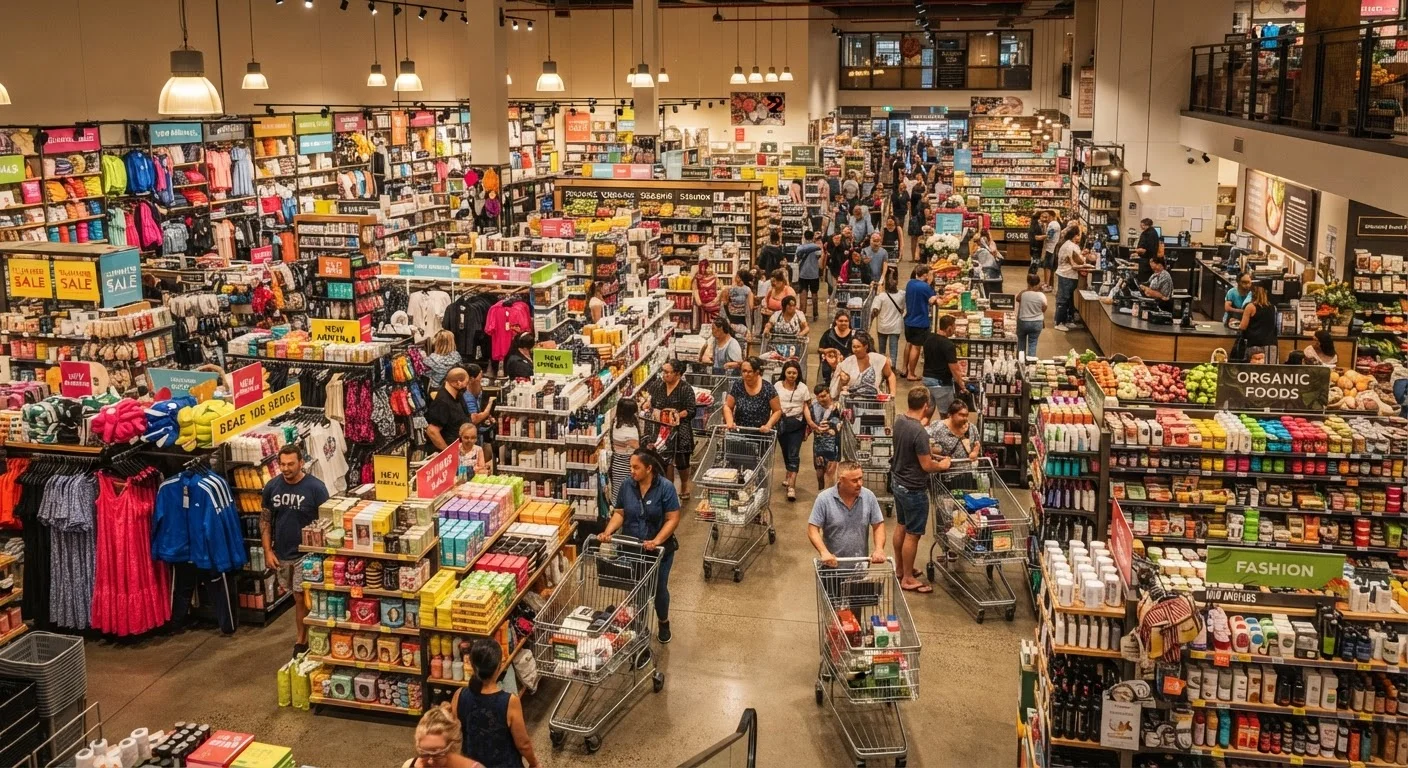
Retail and e-commerce designers understand this well. Store layouts that route you past high-margin items, warm lighting, appealing scents, and strategically placed checkout-aisle products are all deliberate choices - not accidents of design. For a broader look at how these environmental nudges work, see spending traps that catch even careful shoppers.
~40%
Share of retail purchases that are unplanned
Consumer behavior research has consistently estimated that roughly 40% of purchases in retail environments were not planned before the shopping trip began.
3x
Increase in impulse buying under emotional distress
Studies in consumer psychology indicate that shoppers in negative emotional states may make impulsive purchases at significantly higher rates than those in neutral moods.
How Online Shopping Changes the Equation
Digital retail has introduced a new layer of impulse-buying architecture. Personalized recommendation engines surface products tied to your past behavior, creating a tailored temptation loop. One-click purchasing removes the natural pause that comes with standing in a checkout line or handing over physical cash.
Countdown timers on deals, pop-up discount offers, and "people are viewing this right now" notifications all mimic in-store urgency cues - but in an environment where you can complete a purchase in under 10 seconds. The comparison between channels matters here; online vs. in-store shopping covers this dynamic in more depth.
Not All Unplanned Purchases Are Harmful
It's worth distinguishing between a thoughtless splurge and an opportunistic buy you're genuinely glad you made. If you see something useful on sale that you'd have bought anyway, that's not the same as an emotionally driven, regretted purchase. The goal isn't to eliminate all spontaneity from shopping - it's to make sure the decision is actually yours, not the retailer's.
Real-World Examples of the Impulse Trigger
Recognizing impulse triggers in concrete situations is often more useful than abstract explanation. The examples below illustrate how the same psychological levers show up across different shopping contexts.
Building Friction Into Your Shopping Process
The most reliable defense against impulse buying is introducing deliberate pauses between stimulus and purchase. Friction doesn't mean deprivation - it means giving your rational brain time to catch up with your emotional brain.
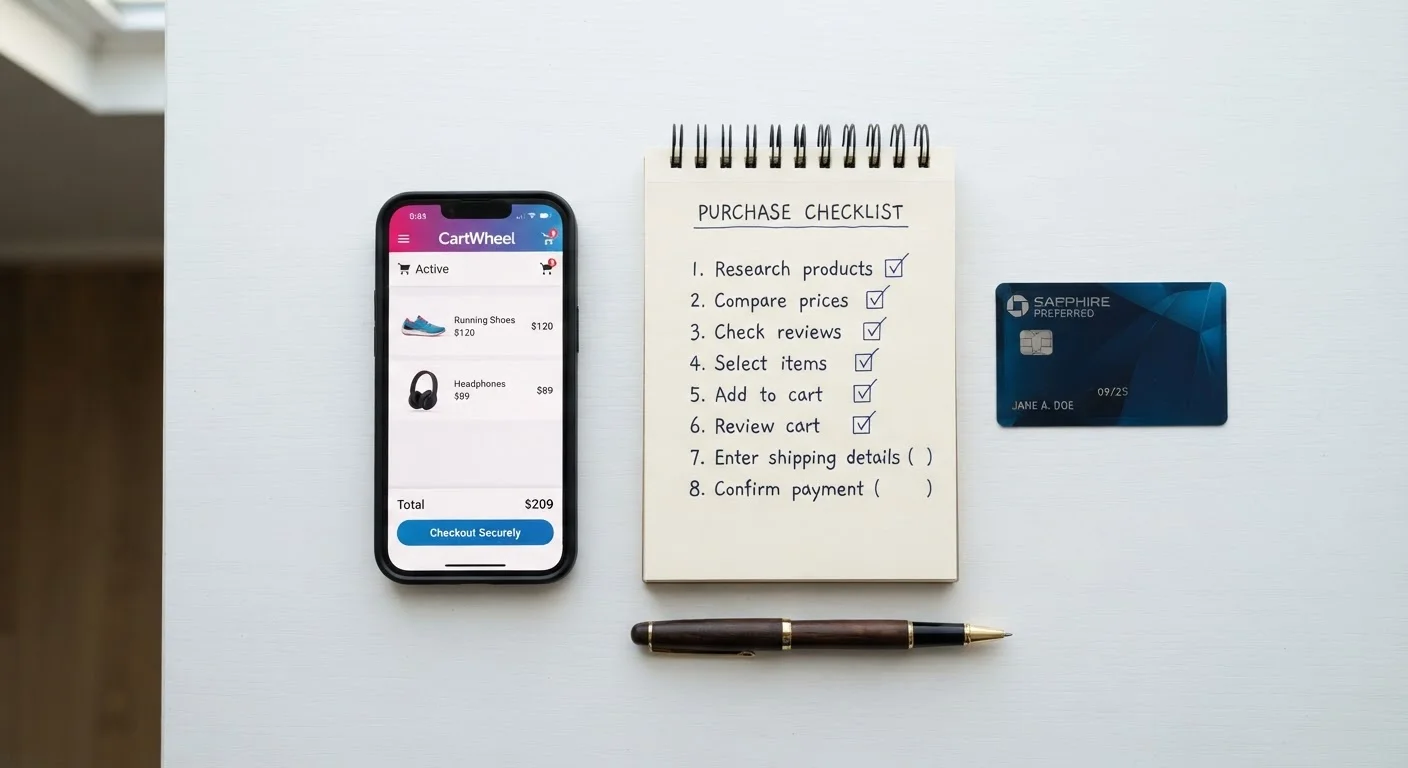
Practical approaches include shopping with a written list and committing to it before entering a store, removing saved payment details from shopping apps to add a checkout step, and using a 24-hour waiting rule for any unplanned item above a self-set threshold. Before a significant purchase, running through a structured checklist - like the one covered in this pre-purchase guide - can surface whether you're buying out of genuine need or in-the-moment excitement.
If unplanned spending is affecting your budget more broadly, it's worth connecting it to your overall financial picture. The Budgeting Basics hub offers practical tools for tracking where your money actually goes, and if impulse purchases are contributing to debt, Saving & Debt resources can help you course-correct. For a more comprehensive framework around intentional spending habits, building a smarter shopping habit from the ground up is worth reading in full.
Try the "Sleep On It" Rule
For any unplanned item above your personal comfort threshold - whether that's $20 or $100 - give yourself at least 24 hours before completing the purchase. Add it to a wish list or note it on your phone. If you still want it the next day with the same clarity, that's useful information. Most impulse items lose their urgency overnight.