What Extended Warranties Actually Cover
An extended warranty - sometimes called a service contract or protection plan - kicks in after a manufacturer's standard warranty expires and covers specified mechanical or electrical failures. That distinction matters: these are not insurance policies in the traditional sense, and they come with their own rules, exclusions, and claims processes.
Coverage varies widely by provider and product category. A plan on a refrigerator might cover compressor failure but exclude cosmetic damage, water filters, or anything caused by a power surge. A vehicle service contract might cover drivetrain components but exclude wear items like brake pads or tires. Before evaluating cost, the first question is always: what does this plan actually pay for?
Coverage You May Already Have
Many major credit cards automatically extend a manufacturer's warranty by one additional year on eligible purchases at no added cost. Homeowners and renters insurance policies may also cover appliance damage caused by specific covered perils. Check both before purchasing a separate extended warranty - you may already be protected for the scenarios you're most concerned about.
It's worth checking what coverage you already have. Many major credit cards extend a manufacturer's warranty by one additional year at no cost. Homeowners or renters insurance may cover appliance damage caused by specific perils. Understanding your existing protections helps avoid paying twice. See our pre-purchase checklist for a broader framework to apply before any significant purchase.
When Extended Warranties Can Add Real Value
Predictable repair costs for expensive items
For major appliances or vehicles, a fixed annual premium can replace the risk of an unpredictable, four-figure repair bill - useful when your savings buffer is limited.
Extends protection beyond manufacturer coverage
Standard manufacturer warranties typically run one to three years. Extended plans can add two to five more years on products designed to last a decade or longer.
May include service convenience perks
Some plans bundle in-home service calls, priority scheduling, or loaner appliances during repair - benefits that go beyond simple parts-and-labor reimbursement.
Can reduce financial stress on complex purchases
For buyers who would genuinely struggle to absorb a large, unexpected repair cost, the peace-of-mind value has a measurable psychological component alongside the financial one.
A few product categories and buyer situations make extended warranties a more defensible purchase:
- Complex, high-cost appliances: Refrigerators with built-in ice makers, HVAC systems, and front-loading washing machines have expensive components. A single compressor or control board replacement can run into hundreds of dollars - sometimes approaching the cost of a new unit.
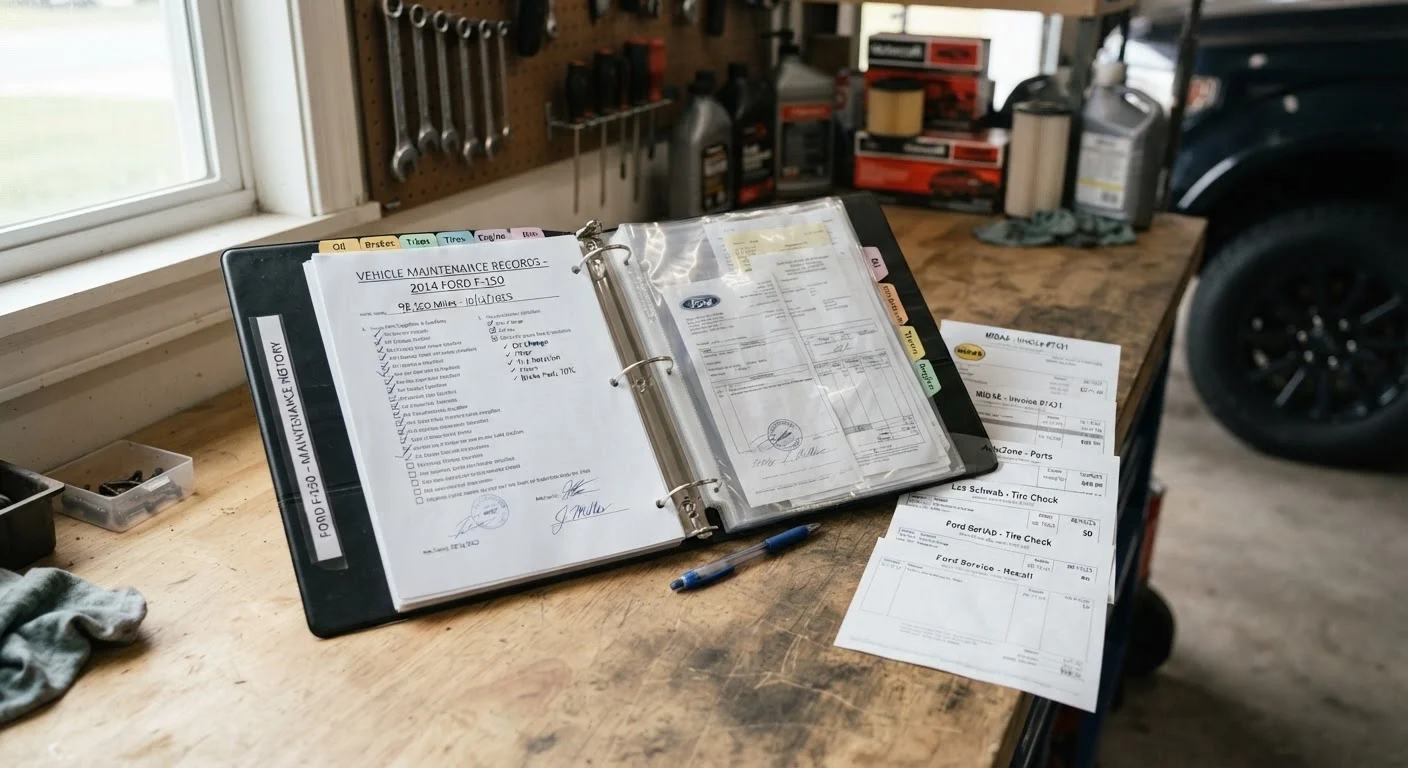
- Used or certified pre-owned vehicles: When a manufacturer's warranty has expired or is nearly expired, a vehicle service contract can smooth out unpredictable repair costs. Ongoing car expenses frequently catch buyers off guard, and a documented service history (see why paper trails pay off) helps you assess how much risk you're actually taking on.
- Limited repair savings: If an unexpected $800 repair would genuinely strain your budget, the predictability of a fixed annual premium has real psychological and financial value.
When Extended Warranties Rarely Pay Off
Most consumers pay more than they recover
Industry data consistently shows that the majority of extended warranty holders never file a claim, meaning the premium is pure cost with no offset - a profitable structure for sellers.
Substantial exclusions limit real-world value
Accidental damage, cosmetic defects, consumable parts, and failures from power surges or improper installation are routinely excluded, narrowing coverage to a narrower set of failures than buyers assume.
Overlaps with coverage you may already have
Credit card warranty extensions and homeowners or renters insurance can duplicate what an extended warranty provides, meaning some buyers are paying for protection they already hold.
Third-party providers carry insolvency risk
If the plan is administered by a company other than the manufacturer, there's a real - if infrequent - risk that the provider goes out of business before your coverage period ends.
Doesn't cover the years products fail most
Consumer electronics tend to be most reliable during the mid-life years an extended warranty covers; early failures fall under manufacturer coverage and late failures occur after the extended term expires.
For the majority of purchases, extended warranties represent a net cost rather than a net benefit. Here's why:
- Consumer electronics follow a reliability curve: Laptops, TVs, and smartphones tend to fail either early - during the manufacturer's warranty - or much later, often past the extended coverage period. The middle years, which the extended warranty covers, are statistically the most reliable.
- Low-cost items don't justify the premium: On a $150 kitchen appliance, a $40 protection plan represents a significant percentage of replacement cost. In many cases, simply replacing the item is cheaper than sustained warranty payments.
- Exclusions can gut the coverage: Accidental damage, cosmetic wear, consumable parts, and pre-existing conditions are commonly excluded. Read the fine print before assuming comprehensive protection.
~80%
Extended warranty holders who never file a claim
Consumer advocacy research has repeatedly found that the large majority of purchasers never use their extended coverage, making the plan a net loss for most buyers.
2-4×
Typical markup on extended warranty premiums
Retail margins on service contracts are among the highest in consumer sales, often representing two to four times the actuarial cost of expected repairs.
How to Evaluate Any Extended Warranty Offer
At the point of sale, extended warranty pitches are designed to be accepted quickly - often when you're already committed to a purchase. A few questions slow that pressure down:
- What's the deductible per claim? Some plans charge $75-$150 per service visit, which can significantly reduce net value on smaller repairs.
- Is the provider the manufacturer, the retailer, or a third party? Third-party administrators have more variable reputations for honoring claims and may not survive the full coverage term.
- Does it overlap with what I already have? Credit card warranty extensions, homeowners insurance, and existing manufacturer coverage can make a separate plan redundant.
- Can I cancel? Many service contracts allow cancellation for a prorated refund. Know this before signing.
Thinking about warranty value is structurally similar to evaluating other protection plans. For comparison, our piece on pet wellness plans works through the same kind of cost-benefit framing in a different context.
This article is for general informational purposes only and does not constitute financial or legal advice. Consult a qualified professional for guidance specific to your situation.