How 'Sale' Pricing Actually Works
The mechanics of a retail sale price are straightforward on the surface: an item's original price is reduced, and the discount is displayed prominently to attract buyers. What's less visible is the process by which original prices are set - and in many cases, those figures are chosen with the discount in mind, not the other way around.
This is called anchor pricing: establishing a high reference point so that any lower number appears favorable by comparison. It's a well-documented technique in behavioral economics, and it works even when consumers suspect it's happening. Understanding the mechanic doesn't fully neutralize its effect, which is why building a habit of price verification matters more than simply being aware of the practice.
Beyond anchor pricing, promotional events create conditions - time pressure, crowd psychology, limited-availability signals - that reduce the careful comparison shopping most of us intend to do. Being aware of those conditions is the first step to working around them.
Reference Prices Can Be Legally Misleading
In the United States, the FTC and many state attorneys general have taken action against retailers for advertising inflated 'original' prices that were never genuinely offered at retail. This practice is sometimes called fictitious pricing. Before assuming a markdown is real, check whether the item has ever actually sold at the stated original price - price-tracking browser extensions and retailer history tools can help you verify this.
Five Myths About Sale Prices, Corrected
The following myth-and-fact pairs address the most common misconceptions shoppers carry into promotional events. Each one reflects a real pattern in retail pricing strategy - not edge cases, but standard practice across major retail categories.
Myth
If an item shows a strikethrough original price, I'm saving the difference.
Fact
The savings are only real if the original price was a genuine, sustained selling price - not an inflated reference figure set specifically to make the discount look larger.
Retailers are legally required in most U.S. states to have offered an item at the stated original price for a meaningful period before advertising a markdown. In practice, enforcement is inconsistent, and some original prices are set artificially high and then 'discounted' almost immediately. Before celebrating a strikethrough price, check a third-party price tracker or the item's price history to confirm the original figure was real. The unit price is often a more reliable comparison point than a claimed markdown percentage.
Myth
A bigger percentage off always means a better deal.
Fact
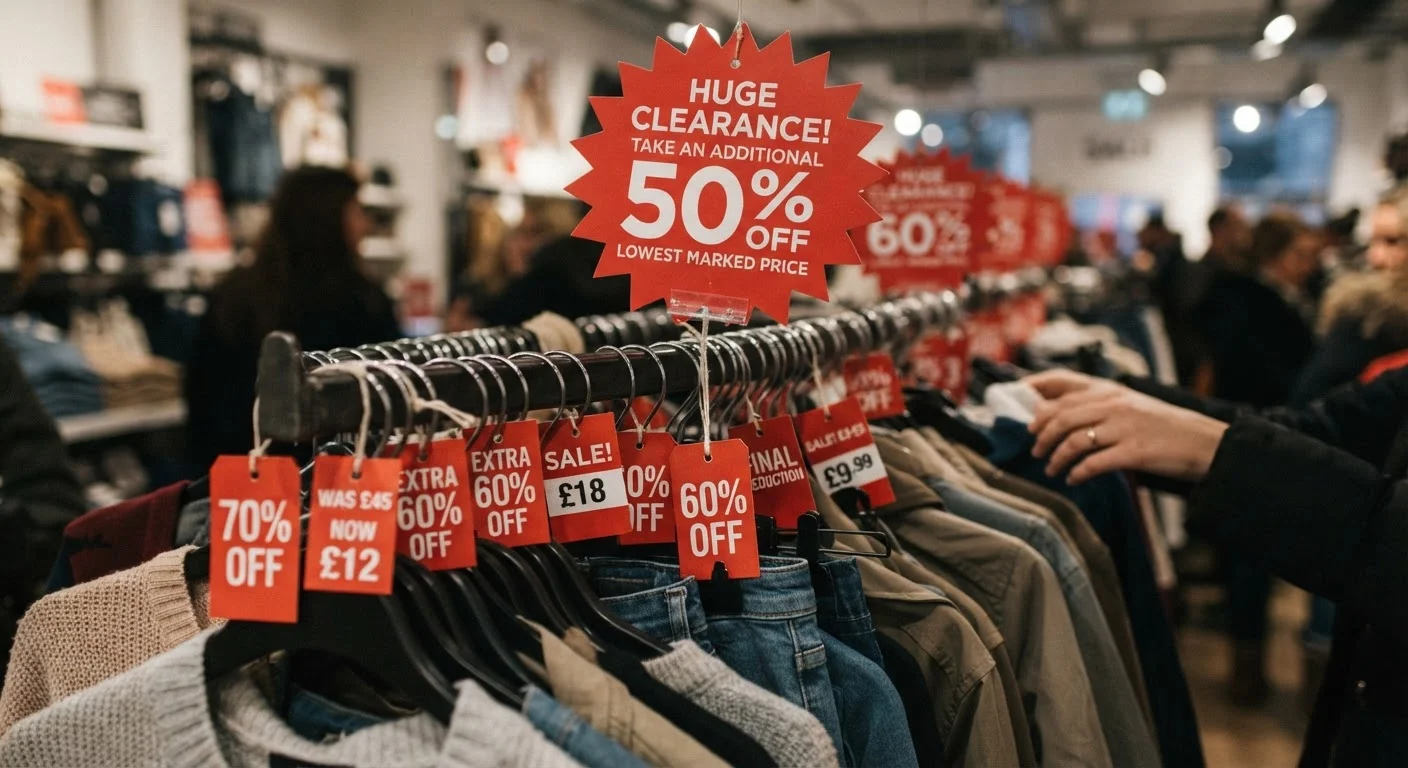
Percentage discounts are calculated from the reference price, not from market value - so a 50% discount off an inflated figure can still leave you paying more than a competitor's standard price.
Anchor pricing exploits a well-documented cognitive bias: people evaluate prices relative to the first number they see. A $200 item marked down to $100 feels like a win, even if the item retails for $90 everywhere else. The fix is straightforward - compare the actual sale price against what other retailers charge for the identical product, rather than focusing on the stated discount percentage. This is especially important for electronics, bedding, and furniture, categories where reference price inflation is particularly common.
Myth
Sale-season merchandise is the same product at a lower price.
Fact
Some goods sold during promotional events are made-for-outlet or made-for-promotion versions with different materials, construction, or specifications than the standard retail product.
This practice is most visible in apparel, luggage, and home goods. A jacket sold at a promotional event may share a brand name and similar styling with a full-price version but differ in fabric weight, stitching quality, or hardware. Check model numbers when comparing electronics, and look for manufacturing labels on clothing. If a product is only available through sale channels and not at standard retail, that's worth investigating before assuming it represents equivalent value.
Myth
Buying something on sale - even if you didn't need it - saves money overall.
Fact
Purchasing an item you wouldn't have bought at full price means you spent money, not saved it - regardless of the discount.
This is one of the most persistent spending traps in retail psychology. Framing an unplanned purchase as 'I saved $40' obscures the fact that the $60 you spent was unbudgeted. True savings require a baseline plan. The spending traps that catch even careful shoppers - including sale-driven impulse buys - share this structure: they convert an absence of spending into an occasion for it. If an item wasn't on your list before the sale was announced, run a simple test: would you buy it at full price? If no, the sale price is still a cost, not a saving.
Myth
Flash sales and limited-time offers are always genuinely time-limited.
Fact
Many 'limited-time' promotions recur regularly, and the urgency framing is a sales technique rather than a reflection of true scarcity.
Countdown timers, 'only X left' indicators, and flash-sale windows create artificial urgency that compresses decision-making and discourages price comparison. Retailers that run the same 'one-day sale' every weekend are using urgency as a permanent feature of their pricing strategy, not as a genuine exception. When you encounter time pressure, the most productive response is to pause and check whether the price is actually unusual - or just framed that way. Understanding total cost of ownership also helps resist urgency by shifting focus from the discount to the long-run value of what you're actually buying.
For a broader view of how retailers shape spending decisions beyond sale pricing, the budgeting basics hub offers practical frameworks for tracking where promotional spending actually fits in a monthly plan.
Practical Steps for Evaluating Any Sale Price
Skepticism alone doesn't help if you don't have a method. Here's a short checklist that works regardless of category or retailer:
- Verify the reference price. Search the item's model number or product name across multiple retailers and check a price-history tool if available. If the 'original' price only appears at the selling retailer, treat it with caution.
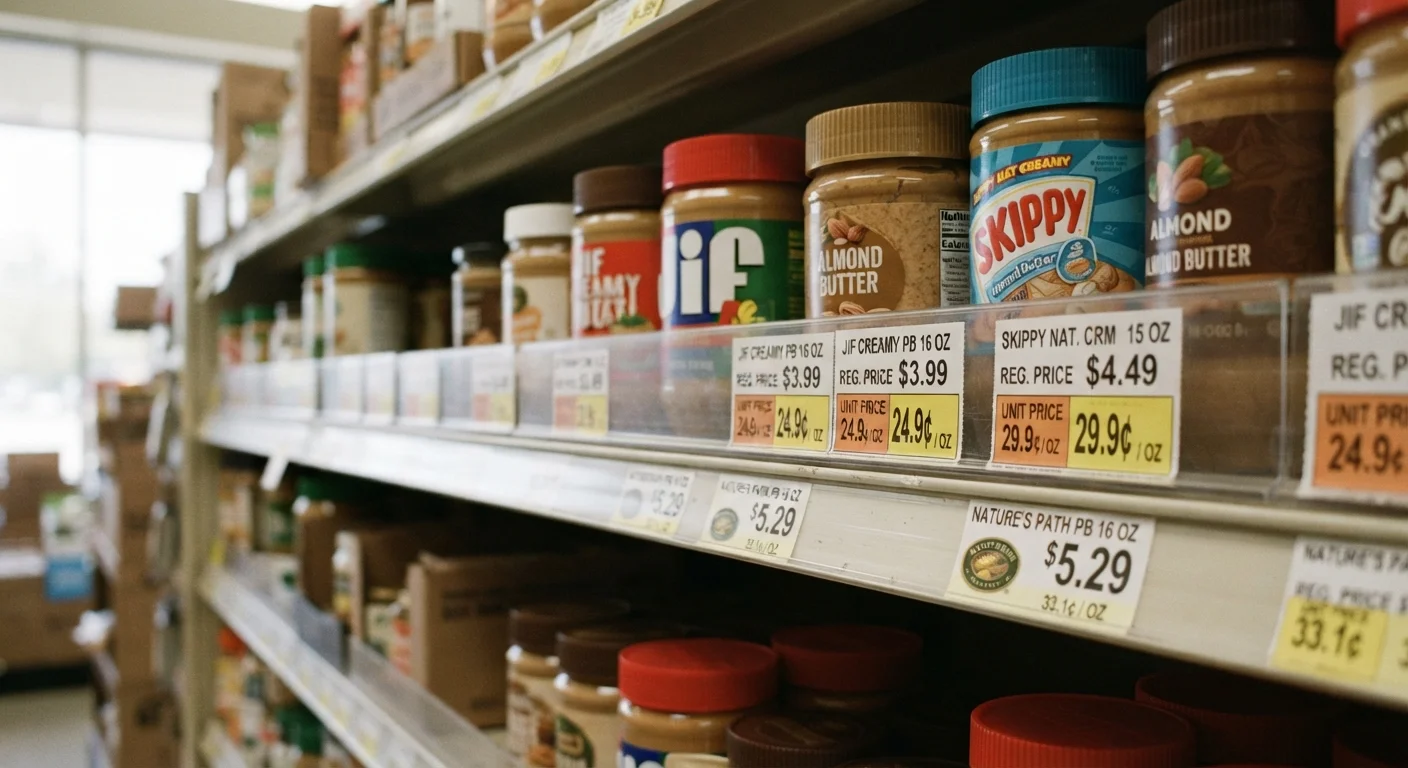
- Compare on unit price. For consumables, cleaning products, or packaged goods, unit pricing - the cost per ounce, count, or square foot - provides a more honest comparison than headline discount percentages.
- Check the return policy before purchasing. A discounted item with a non-returnable or heavily restricted policy carries real additional risk. Return policy fine print often matters more on sale items, since final-sale and clearance exclusions are common.
- Distinguish need from opportunity. If the sale is the reason you're considering the purchase - rather than a genuine need you already identified - apply extra scrutiny before proceeding.
Event-Season Sales Deserve Extra Scrutiny
Major promotional events - holiday weekends, clearance seasons, annual sale events - are precisely when inflated reference prices are most common. Research suggests that a meaningful share of 'doorbuster' items see price increases in the weeks before a sale, then return to or just below the earlier price during the event itself. Treat high-urgency sale framing as a prompt to verify, not to act.
~60%
Sale items that weren't cheaper after the sale
A multi-year analysis by consumer advocacy researchers found that roughly 60% of items marked down during major retail events were available at the same or lower prices at other points in the year.
2-3×
Typical anchor price inflation multiplier
Behavioral economics research consistently shows consumers perceive a product as higher quality when an anchor (original) price is set two to three times the expected selling price, regardless of actual product quality.
This article is for general informational and educational purposes only. It does not constitute financial, legal, or consumer advice tailored to your individual circumstances. Regulatory protections regarding pricing practices vary by state and are subject to change; consult a qualified professional or your state's consumer protection office for guidance specific to your situation.