Why Ingredient Lists Look More Intimidating Than They Are
The main reason skincare ingredient lists feel overwhelming is the naming convention. INCI names were designed for scientific consistency across countries, not consumer readability. Butyrospermum Parkii is shea butter. Tocopherol is Vitamin E. Sodium Chloride is table salt. Once you understand that these are standardized labels for familiar substances, the wall of text starts to look more like a structured list with a predictable logic.
The structure itself is genuinely useful consumer information - arguably more so than the ingredient lists on some other product categories. If you've ever worked through pet nutrition labels, you'll recognize a similar approach: learn the system, then apply it efficiently rather than trying to parse every single term cold.
What you will need
How to Read a Skincare Ingredient List: Step-by-Step
Product packaging (back or side panel)
Contains the complete INCI ingredient list required for this exercise.
Free INCI ingredient lookup tool
Helps identify unfamiliar ingredient names and their general function category.
Magnifying glass or phone camera zoom
Many ingredient lists use very small print; zooming in helps avoid misreading names.
Find the full ingredient list - not the highlights panel
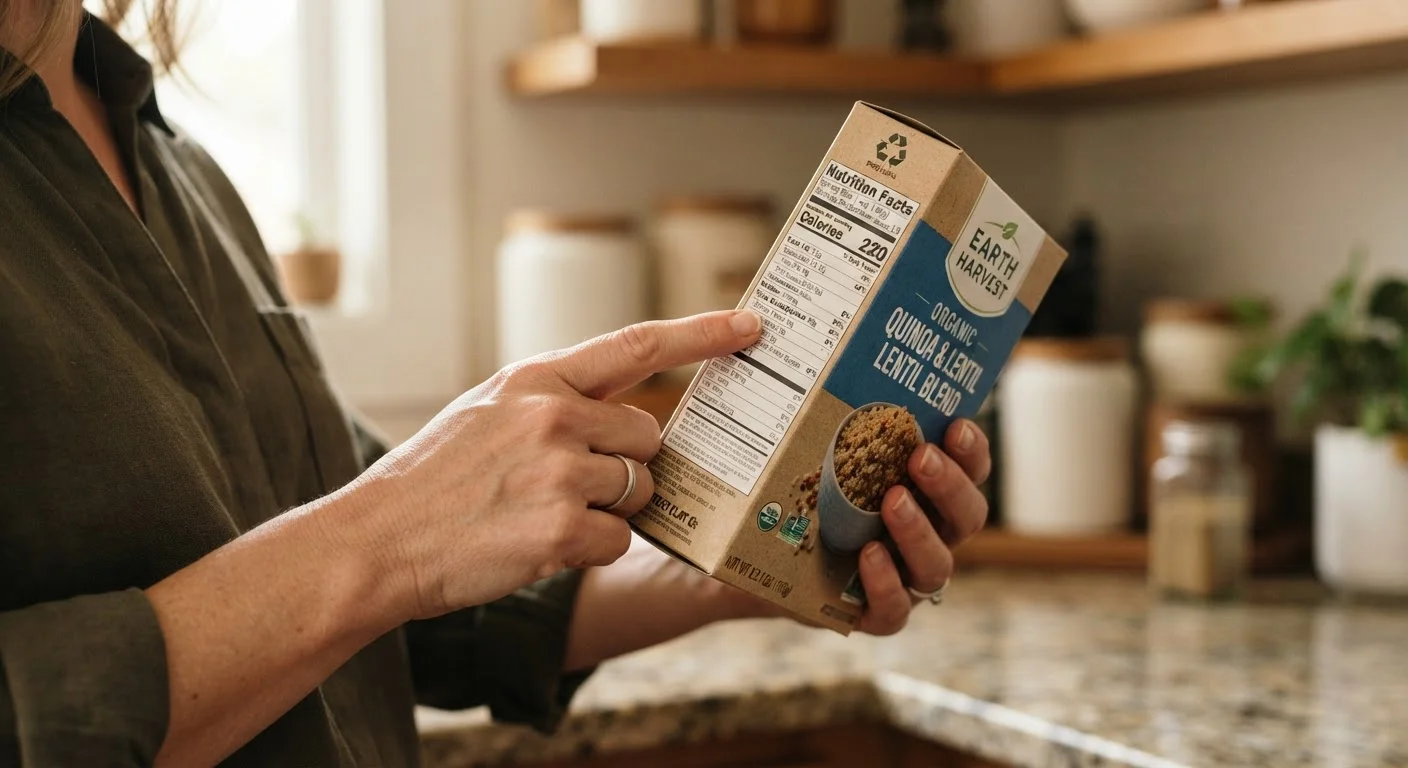
Flip the product over. The legally required ingredient list is usually on the back or side panel, often in smaller print than the marketing copy on the front. In the U.S., the FDA requires cosmetics to list all ingredients using their INCI names - a standardized system of Latin botanical names and chemical nomenclature used internationally. This is the list you want, not any 'key ingredients' callout box, which is a marketing selection.
Read from top to bottom - order is concentration
Ingredients are listed in descending order by weight or volume. The first ingredient is present in the largest amount; the last is present in the smallest. For most water-based products, Aqua (water) will be first. The first five to seven ingredients typically account for the majority of what you're actually applying to your skin, so they deserve the most attention. Everything below roughly 1% can appear in any order the manufacturer chooses - which is why you'll see preservatives and fragrance components clustered near the bottom.
Recognize the most common functional categories
You don't need to memorize hundreds of names. Instead, learn the functional categories and a few examples from each:
- Emollients and occlusives (smooth and seal): Dimethicone, Petrolatum, Shea Butter (Butyrospermum Parkii)
- Humectants (draw moisture in): Glycerin, Hyaluronic Acid (Sodium Hyaluronate), Propylene Glycol
- Emulsifiers (keep water and oil mixed): Cetearyl Alcohol, Polysorbate 20
- Preservatives (prevent microbial growth): Phenoxyethanol, Sodium Benzoate, Ethylhexylglycerin
- Active ingredients (targeted function): Niacinamide, Ascorbic Acid, Salicylic Acid
Understanding function matters more than memorizing names. For a deeper look at one common active, see how Vitamin A derivatives differ in strength and use.
Flag fragrance and common sensitizers
If you have sensitive or reactive skin, scan for Parfum or Fragrance - these are umbrella terms that can cover dozens of undisclosed scent compounds. Essential oils (e.g., Citrus Aurantium, Lavandula Angustifolia) are also fragrance components and can be sensitizing despite their natural origin. Common preservatives like Methylisothiazolinone have a higher rate of reported sensitivity reactions and are worth noting if you've had unexplained irritation before. None of this means the product is unsafe for most users - it's context for your own history.
Cross-check front-label claims against the actual list
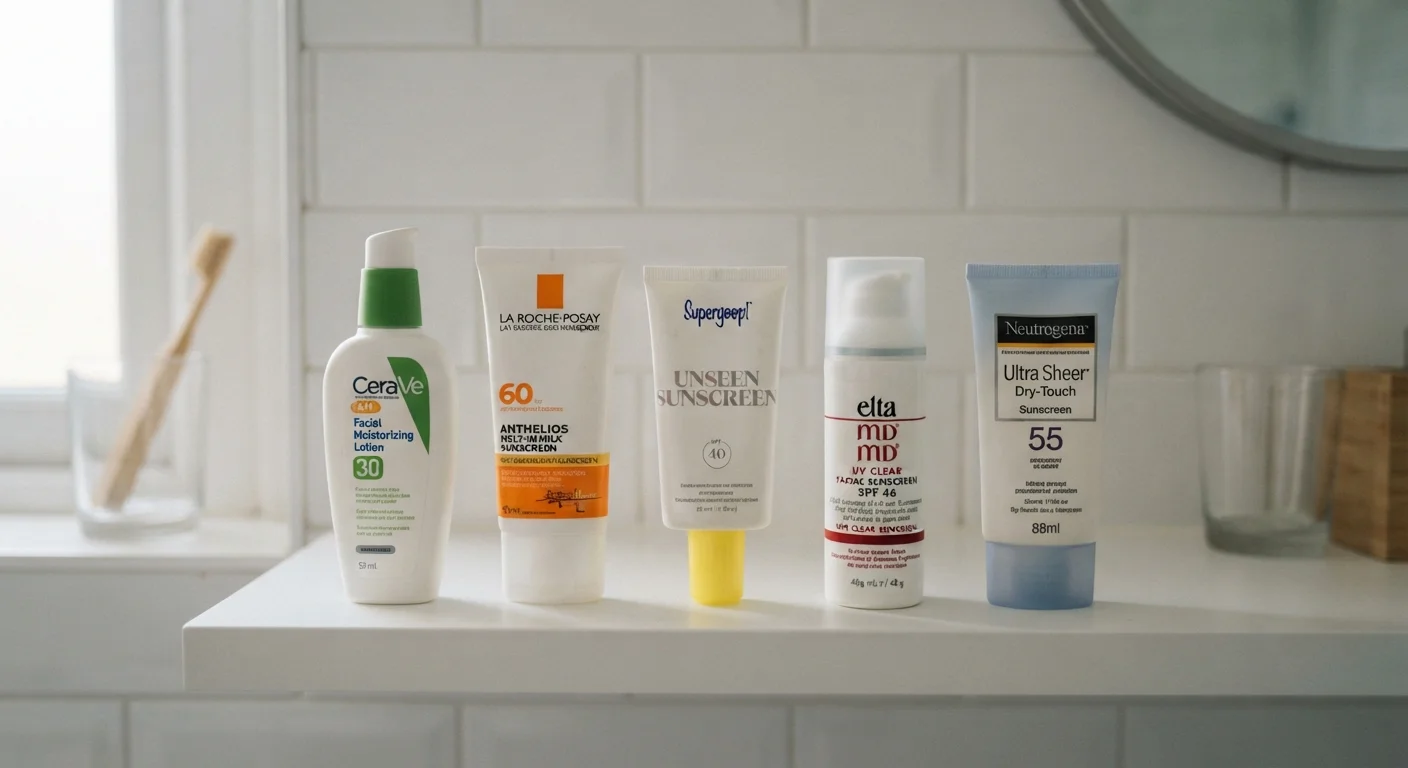
Once you can read an ingredient list, the marketing panel becomes much easier to evaluate honestly. A product labeled 'vitamin C serum' should have a form of ascorbic acid (Ascorbic Acid, Sodium Ascorbyl Phosphate, Ascorbyl Glucoside, etc.) in the upper half of the list - not buried near the bottom. Similarly, an 'SPF moisturizer' must list its UV filters as active ingredients in a separate 'Drug Facts' box under U.S. rules. For more on reading sunscreen labels specifically, see what SPF numbers actually mean.
Use a Free Ingredient Database
Several free, publicly accessible databases - such as those maintained by cosmetic regulatory bodies - list common INCI names alongside their general function. Searching an unfamiliar ingredient name plus the word 'INCI' usually surfaces reliable information quickly. This habit takes less than a minute and removes most of the guesswork.
Front-of-Package Claims Are Not Regulated the Same Way
Words like 'natural,' 'clean,' or 'gentle' on the front label carry no standardized legal definition in the U.S. cosmetics market. The only place to verify what's actually in a product is the ingredient list on the back or side panel. Treat front-label marketing language as a starting point for inquiry, not a guarantee.
Not a Substitute for Professional Advice
This article is general consumer education, not medical or dermatological advice. If you have a skin condition, chronic sensitivity, or an allergy, consult a qualified dermatologist before making changes to your skincare routine. Ingredient tolerances vary significantly between individuals.
Once you've worked through these steps a few times, the process becomes fast - a couple of minutes per product at most. The goal isn't to become a formulation expert; it's to know enough to make informed choices and recognize when a product's ingredient list backs up what the front label is promising. For context on how products interact once you've selected them, skincare layering order explains why application sequence matters just as much as ingredient selection.
This article is for general informational purposes only and does not constitute medical or dermatological advice. Consult a qualified healthcare professional for guidance specific to your skin type, conditions, or known allergies.