Why Food Labels Feel Confusing - and How to Simplify Them
The Nutrition Facts label on packaged food was redesigned by the FDA to make key information more prominent, but many shoppers still find it overwhelming. Numbers, percentages, and unfamiliar nutrient names stack up quickly, and front-of-package marketing adds another layer of noise. The good news: once you understand the label's structure, most of the confusion disappears.
Think of the label in three distinct layers: the serving information at the top, the nutrient breakdown in the middle, and the ingredient list below. Each layer tells you something different, and you rarely need to analyze all three in equal depth for every product you pick up.
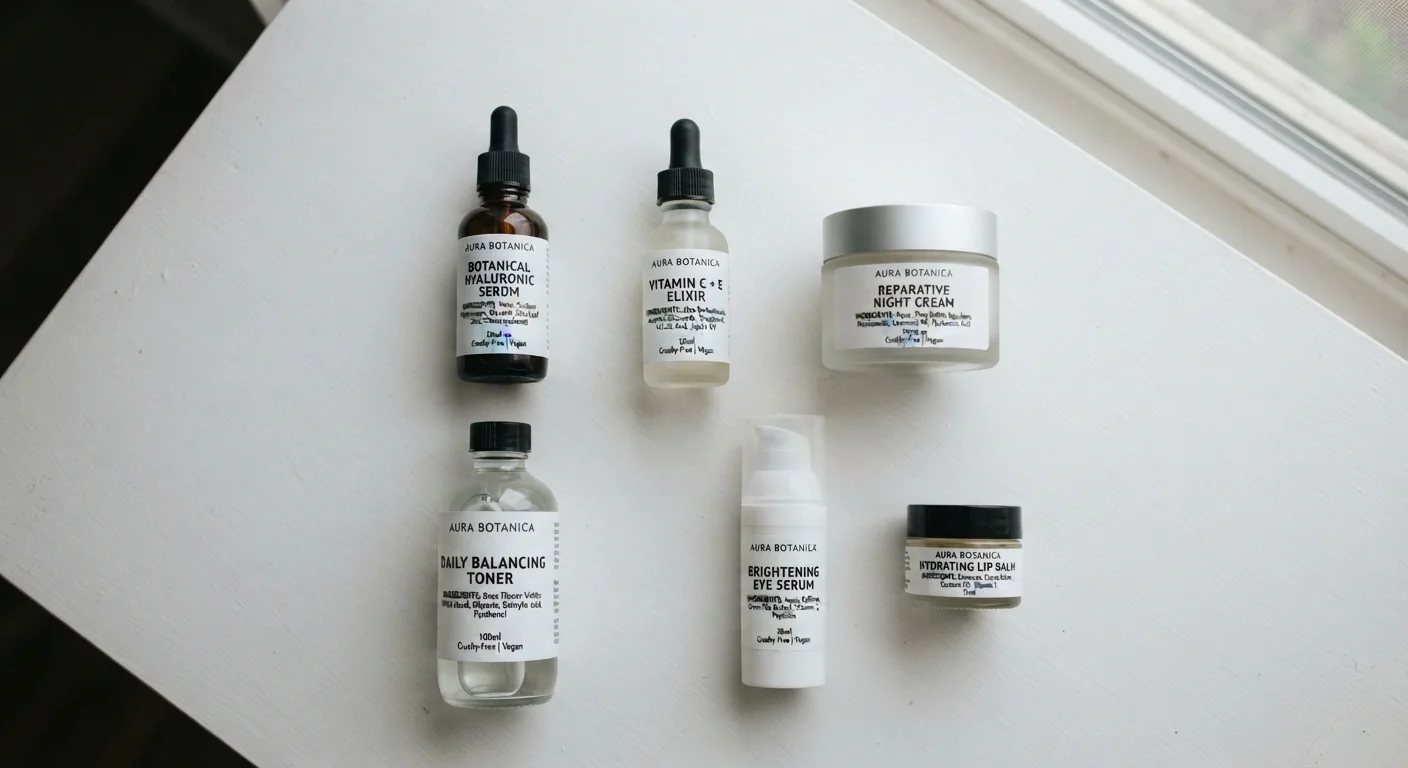
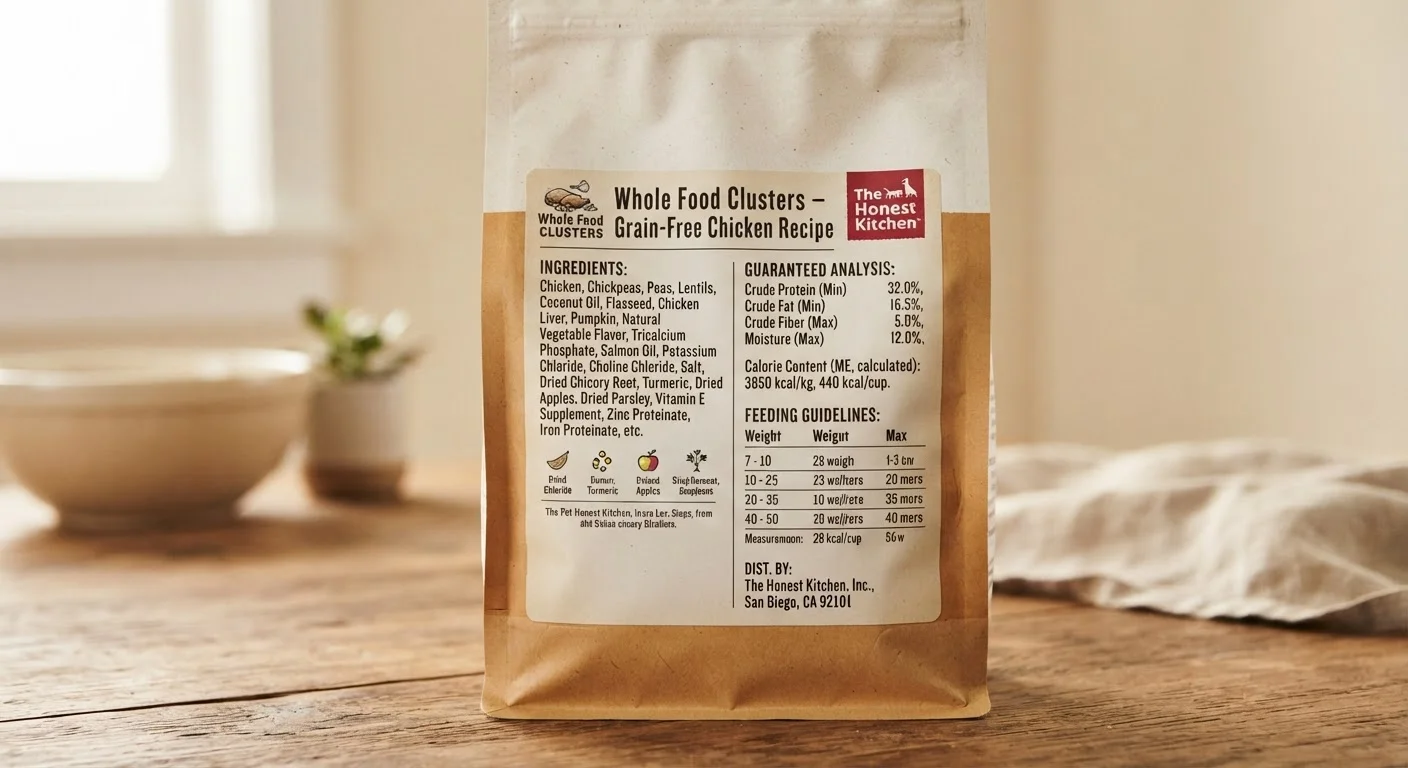
If you enjoy decoding other types of consumer labels, you might find it interesting to compare how food labeling approaches differ from, say, reading ingredient lists on skincare products or interpreting pet food nutrition labels - the logic overlaps more than you'd expect.
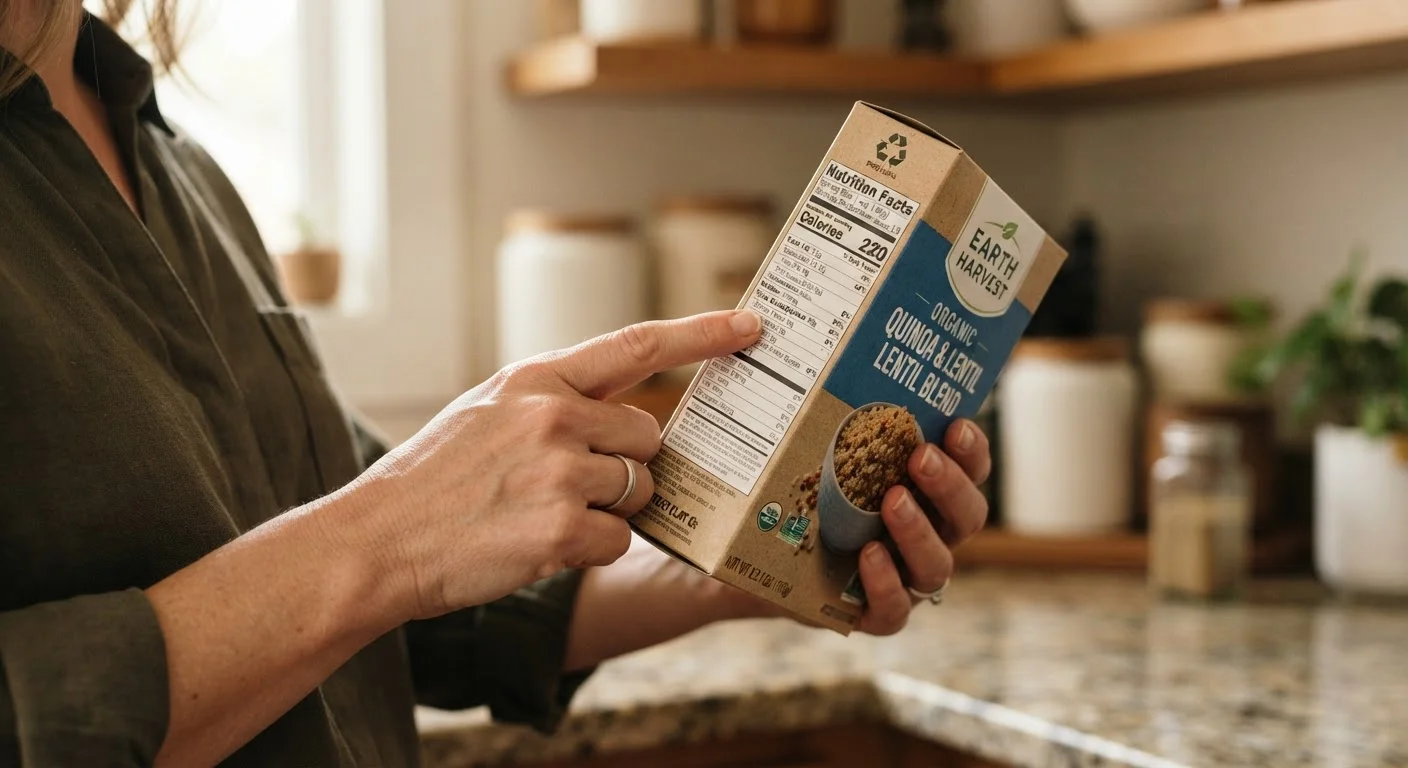
Nutrition Facts Panel
The standardized label on the back or side of most packaged foods showing calories, nutrients, and % Daily Values.
Ingredient List
The complete list of ingredients in descending order by weight, found below or near the Nutrition Facts panel.
Step-by-Step: How to Read a Food Label
Follow these steps the next time you pick up a packaged product. With a little practice, the whole process takes under a minute.
What you will need
Start with the serving size
The very first line of the Nutrition Facts panel shows the serving size - for example, "1 cup (228g)" - followed by the number of servings per container. Every calorie count and nutrient figure on the label applies to that one serving, not the whole package.
If you eat two servings, you double every number. This is the single most common source of confusion when reading labels, and getting this right makes everything else accurate.
Check calories in context
Calories tell you how much energy one serving provides. The label displays total calories prominently. While calorie needs vary considerably by person, this number gives you a general sense of how energy-dense a food is relative to its serving size.
A food that delivers 400 calories in a very small serving is far more energy-dense than one delivering 400 calories in a large, filling portion - context matters.
Scan the nutrients to limit
The middle section of the panel lists nutrients that many Americans consume in excess. Pay attention to:
- Saturated fat - linked to cardiovascular health when consumed in high amounts consistently
- Sodium - many packaged foods are surprisingly high; a single serving can carry 30-40% of the daily reference value
- Added sugars - listed separately from total sugars since the late 2010s update to the label format; this line shows sugars added during processing, not those naturally present in ingredients like fruit or milk
Lower % Daily Values (under 5%) for these nutrients generally indicate a smaller contribution to your daily intake.
Look for nutrients to prioritize
Below the nutrients-to-limit section, the panel lists dietary fiber, vitamin D, calcium, iron, and potassium - nutrients that many Americans fall short on. Higher % Daily Values here (closer to 20% or above) reflect a more substantial contribution toward daily needs.
Fiber, for example, supports digestive health and is found in whole grains, legumes, fruits, and vegetables. A food providing 4-5g of fiber per serving is a meaningful source.
Read the ingredient list from top to bottom
Ingredients are listed in descending order by weight, so the first ingredient makes up the largest proportion of the product. If sugar, refined flour, or a partially hydrogenated oil appears among the first two or three ingredients, that tells you something meaningful about what the product is primarily made of.
The ingredient list also reveals things the Nutrition Facts panel doesn't - specific types of fats or sweeteners, the presence of allergens, and the use of food additives or preservatives. Shorter ingredient lists with recognizable items generally indicate less processing, though ingredient count alone isn't a nutrition quality guarantee.
Interpret % Daily Values accurately
The % Daily Value (% DV) column shows what percentage of a day's reference intake of each nutrient one serving provides, based on a 2,000-calorie diet. It's a quick comparison tool - not a personal target.
Use the 5%/20% shorthand to scan quickly: 5% DV or less is low for a nutrient; 20% DV or more is high. This works for both nutrients you want to minimize and those you want to maximize.
The 5% / 20% Rule of Thumb
A quick way to gauge whether a nutrient is high or low: 5% Daily Value or less is generally considered low for that nutrient, while 20% or more is considered high. Use this shorthand when scanning labels without doing any math. It works for nutrients you want to limit (like sodium) and nutrients you want more of (like fiber and vitamin D).
Labels Are General Information, Not Personal Advice
Daily Value percentages are based on a 2,000-calorie reference diet established by the FDA - your actual needs may differ based on age, health status, activity level, and other factors. Use label information as one tool for general awareness, not as a personal nutrition prescription. If you have a specific health condition or dietary concern, consult a registered dietitian or your healthcare provider.
Common Pitfalls and What to Ignore
Front-of-package claims are the biggest source of label confusion. Terms like "multigrain," "natural," "light," and "made with whole grain" carry no standardized regulatory definition in most contexts and can be applied to products that are still high in sodium, added sugars, or saturated fat. The Nutrition Facts panel and ingredient list are where the regulated, standardized information lives - the front of the package is marketing.
Front-of-Package Claims Can Be Misleading
Terms like "multigrain," "natural," "made with real fruit," and "light" are not tightly regulated and can be applied to products that are still high in added sugars, sodium, or saturated fat. Always flip the package and read the Nutrition Facts panel and ingredient list rather than relying on front-label marketing. The back of the package is where the regulated information lives.
It's also worth noting that "low fat" does not mean low calorie, and "sugar-free" does not mean carbohydrate-free. Fat-free products often compensate with added sugars, and sugar-free products may use sugar alcohols that still contribute calories and can cause digestive discomfort in large amounts.
Finally, remember that no single food defines a diet. A food high in sodium isn't automatically off-limits if the rest of your meals that day are low in sodium - labels are most useful as one input among many, not as pass/fail grades.
This article is for general informational purposes only and does not constitute medical or dietary advice. Individual nutritional needs vary. Consult a registered dietitian or qualified healthcare professional for personalized guidance.