The Number on the Bottle Isn't What You Think
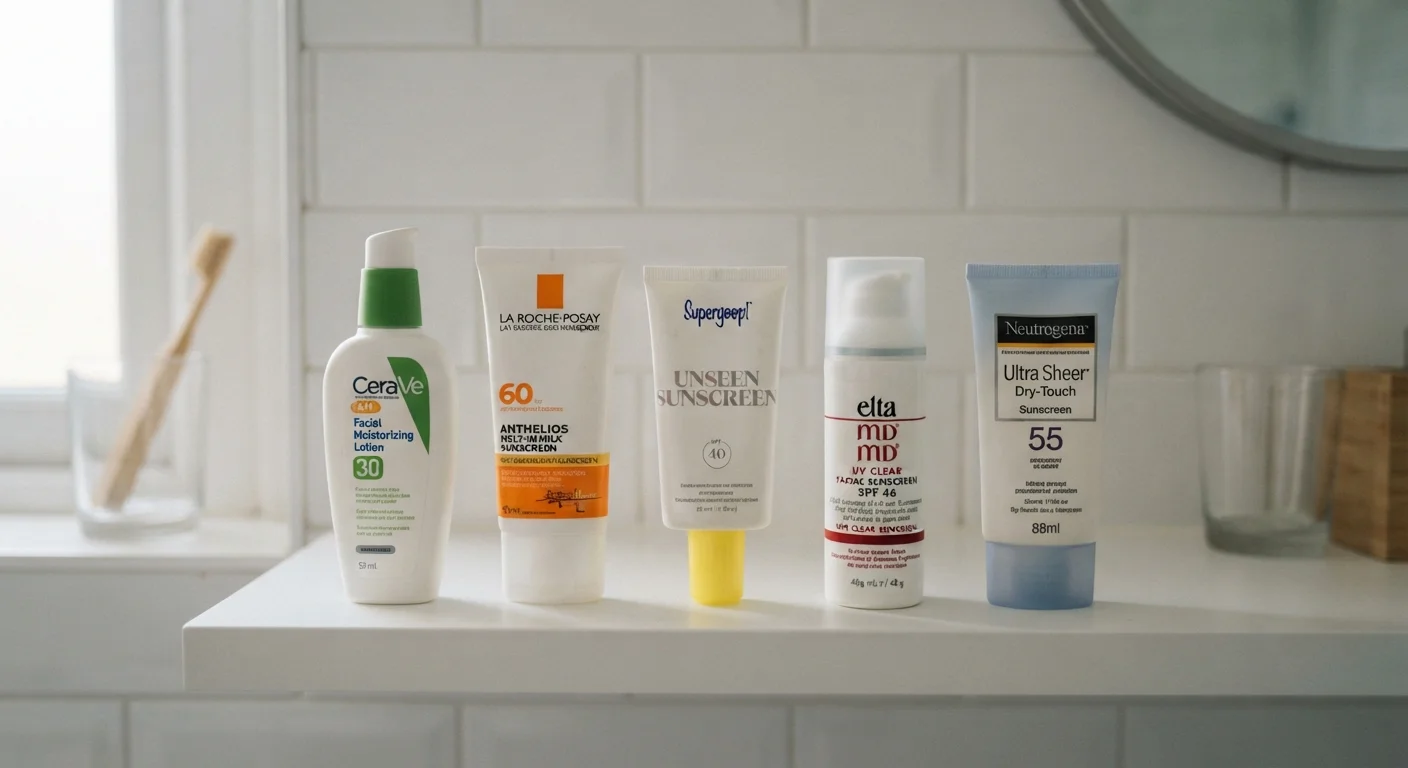
Walk down any sunscreen aisle and you'll see SPF numbers ranging from 15 to 100+. A reasonable assumption is that higher equals proportionally better. It's a reasonable assumption - and it's also wrong.
SPF is a ratio, not a percentage scale from 1 to 100. It describes how much longer skin takes to redden under UVB exposure when sunscreen is applied correctly compared to no protection at all. SPF 30 means it takes 30 times longer to burn than unprotected skin, under ideal lab conditions.
The UVB filtration numbers tell a more nuanced story: SPF 15 filters about 93% of UVB rays. SPF 30 filters about 97%. SPF 50 filters about 98%. SPF 100 filters about 99%. That gap between 30 and 100 - just two percentage points - is the part most sunscreen labels won't highlight prominently.
97%
UVB rays blocked by SPF 30
SPF 30 filters approximately 97% of UVB radiation under standard testing conditions, according to established photobiology research.
~1%
Difference between SPF 50 and SPF 100
SPF 50 blocks roughly 98% of UVB rays; SPF 100 blocks roughly 99% - a one-percentage-point gap that is often overstated in marketing.
25-50%
Typical real-world sunscreen application rate
Multiple studies have found consumers apply significantly less sunscreen than the amount used in lab SPF testing, reducing effective protection substantially.
What SPF Doesn't Measure
SPF is a UVB-only measurement. It tells you nothing about protection from UVA rays - the longer-wavelength radiation linked to skin aging and, importantly, a contributing factor in skin cancer risk.
This is where the phrase broad spectrum matters. In the United States, the FDA requires sunscreens labeled "broad spectrum" to pass a standardized test confirming UVA coverage alongside UVB protection. A product with a sky-high SPF number but no broad spectrum label may leave UVA exposure essentially unaddressed.
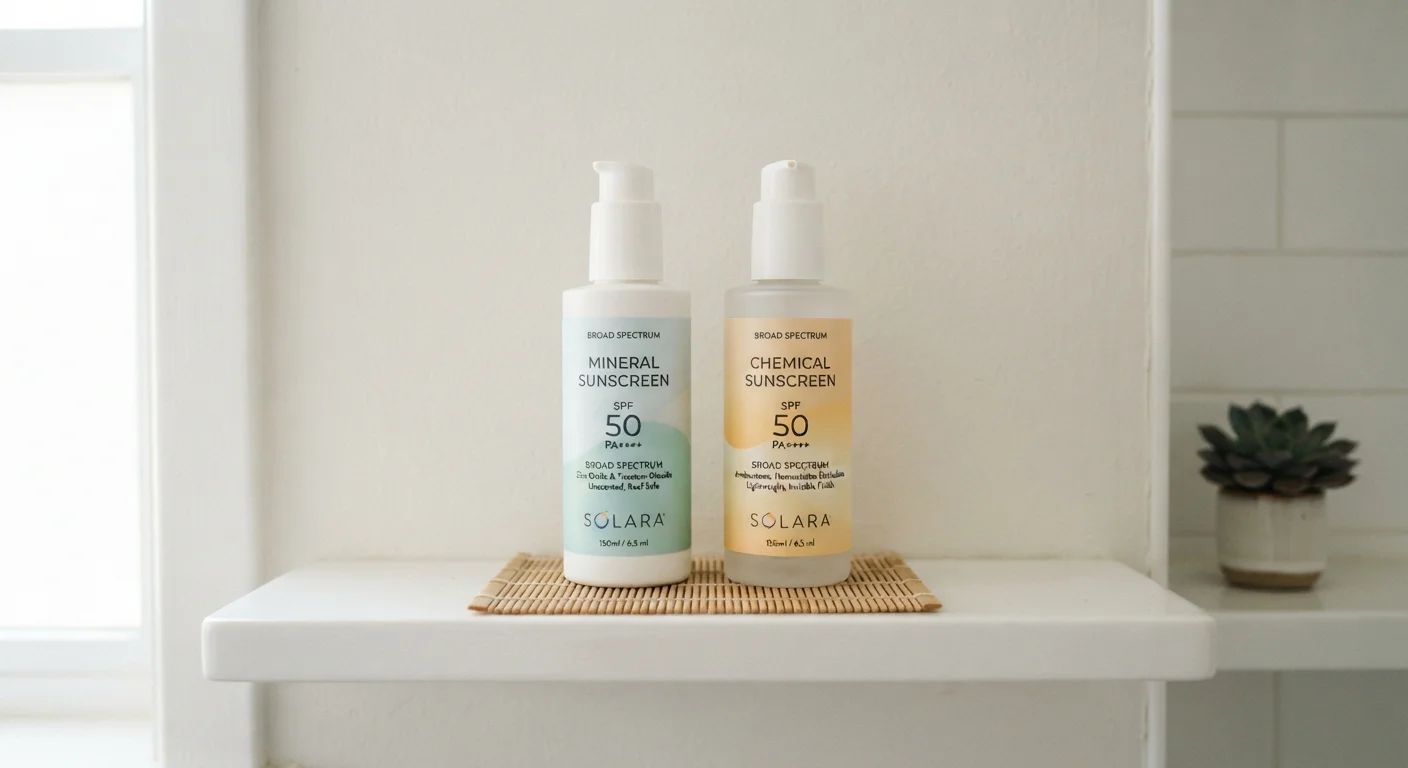
If you want to understand what else goes into a sunscreen formula beyond the SPF rating, reading ingredient lists on skincare products can help you make sense of active and inactive components. For a deeper look at how different sunscreen types work, see our piece on chemical vs. mineral sunscreen.
UVA vs. UVB: A Quick Distinction
UVB rays are shorter wavelength and primarily responsible for sunburn - what SPF directly measures. UVA rays penetrate more deeply into the skin and are associated with photoaging and long-term skin damage. Both types contribute to skin cancer risk, which is why broad spectrum protection is considered important rather than optional.
The Application Gap: Why Real-World SPF Is Lower
SPF ratings are established in controlled lab settings where testers apply 2 mg of product per square centimeter of skin - a generous, precise amount. Research consistently shows that most people apply somewhere between 25% and 50% of that amount in real life.
The practical effect is significant. Under-applying SPF 50 sunscreen can reduce effective protection to something closer to SPF 10 or SPF 15. This gap exists regardless of the number on the label - a higher SPF doesn't compensate for thin application.
Applying Enough Sunscreen Actually Matters
For full-body coverage, aim for about one ounce - roughly a shot glass worth. For the face and neck alone, a nickel-sized amount is a commonly cited benchmark. Applying a second thin layer shortly after the first can help compensate for uneven coverage without doubling the product used.
Reapplication matters equally. Water, sweat, and physical contact all degrade coverage over time. The FDA limits water-resistance claims on labels to either 40 or 80 minutes, depending on testing, which gives a useful frame of reference.
Understanding SPF labels is part of a broader pattern of consumer label literacy - similar principles apply when reading food labels without getting confused, where numbers and percentages often mean something more specific than they appear at first glance.
Choosing a Number That Makes Practical Sense
Dermatology organizations generally recommend SPF 30 as a practical daily minimum for most adults, with SPF 50 suggested for extended outdoor exposure or for people with fair skin or heightened sensitivity. Beyond SPF 50, the marginal UVB-filtering benefit is minimal - though some people prefer higher numbers as a buffer against under-application.
The most meaningful checkboxes on a sunscreen label are broad spectrum coverage, an SPF of at least 30, and water resistance if outdoor activity or swimming is involved. Those three criteria matter more than chasing the highest number available.
This article is for general informational purposes only. For personalized skincare or dermatological advice - including sun protection recommendations suited to your skin type or health history - consult a qualified healthcare professional or board-certified dermatologist.