How U.S. Road Signs Are Organized
The Federal Highway Administration's MUTCD standardizes every sign on American public roads into three categories: regulatory, warning, and informational (guide). Shape and color do much of the communicating before you can read the text-a useful fact when you're moving at highway speed.
Most drivers can identify common signs by shape alone, but misreading the legal obligation each one creates is where trouble starts. A yield sign, for example, does not mean stop-it means proceed only when the path is clear. That distinction matters in a crash investigation. For a broader look at how road design and posted rules interact, see our guide to speed limits and road design.
Regulatory Signs: What the Law Requires
Regulatory signs tell you what you must or must not do. Ignoring them isn't just dangerous-it's a traffic violation.
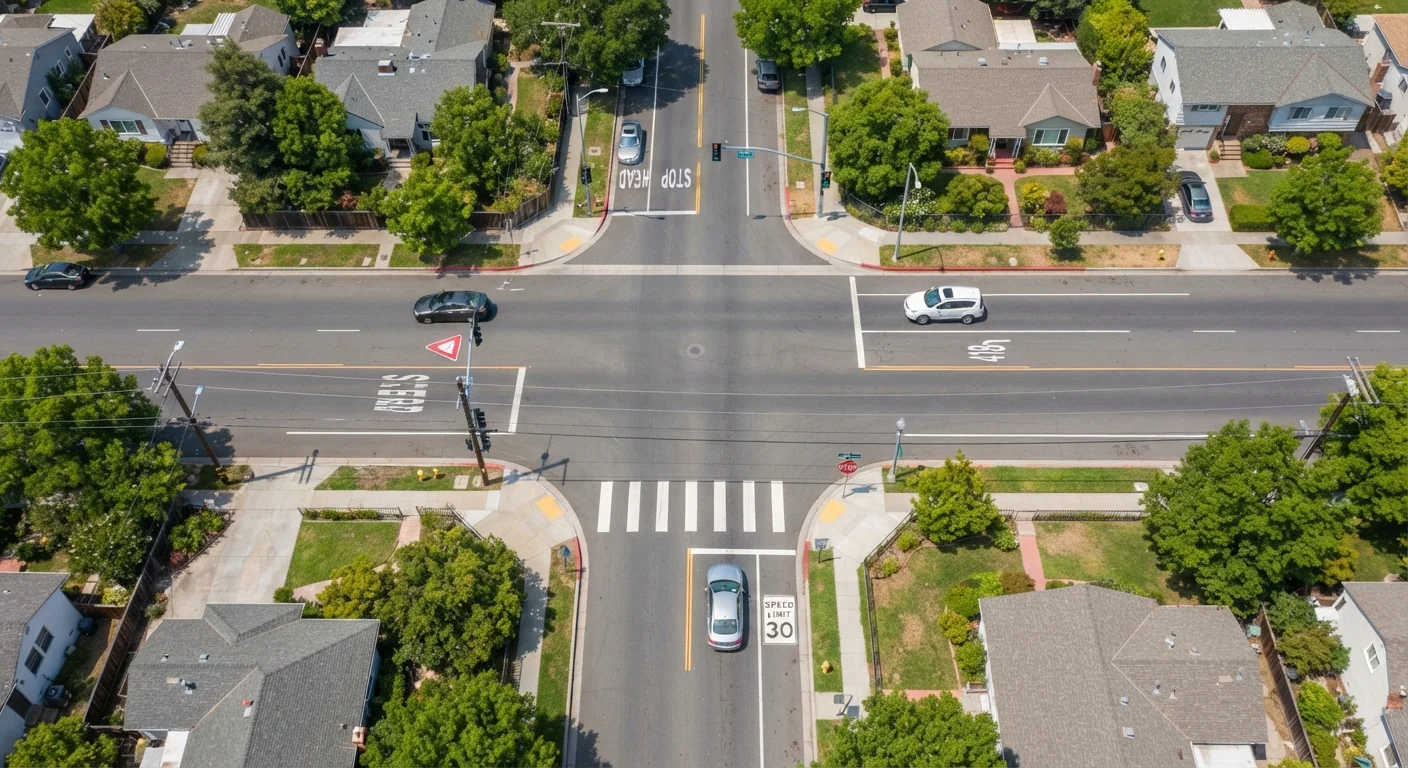
- Stop (red octagon): Come to a complete stop before the stop line or crosswalk. You must remain stopped until it's safe and legal to proceed.
- Yield (red downward triangle): Slow down and give the right-of-way to cross traffic or pedestrians. Stop only if necessary.
- Speed Limit (white rectangle): The maximum lawful speed under ideal conditions. Conditions-weather, traffic, visibility-can legally require a lower speed.
- Do Not Enter / Wrong Way (red): You are facing oncoming traffic. These appear at divided highway exits and one-way street entrances.
- No U-Turn, No Left Turn, No Right Turn: White rectangles with red slashes. These carry local legal weight-check state and municipal codes, as fines vary.
- Lane control signs (overhead): Arrows indicate permitted movements from each lane. A red X means the lane is closed to travel.
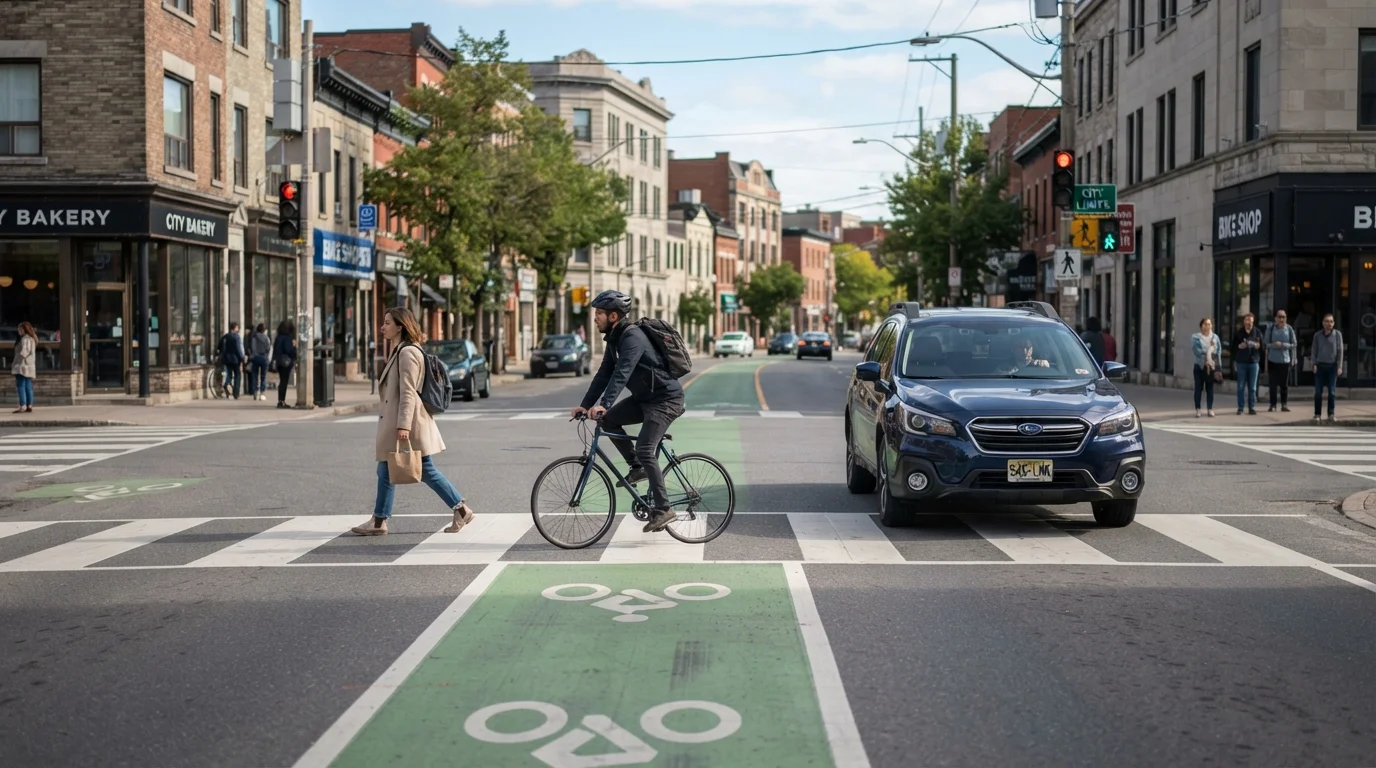
Being well-versed in regulatory signs also supports sharing the road safely with cyclists and pedestrians, since many regulatory signs govern exactly those interactions.
Warning Signs: Hazards and Changing Conditions
Yellow (or orange in work zones) diamond-shaped signs alert you to conditions ahead that require increased attention or reduced speed. They don't carry the same mandatory force as regulatory signs, but disregarding them and causing a crash can factor into liability.
Work Zone Signs Carry Higher Penalties
Orange warning signs in active work zones are not merely advisory-many states double fines for moving violations committed within posted work zones, and some impose mandatory minimum fines regardless of driving record. Slow down and increase following distance when workers are present. Check your state's DMV resources for specific penalty schedules.
- Curve / Winding Road: Indicates the road alignment ahead. Advisory speed plaques below the sign reflect a recommended-not maximum-speed for that curve.
- Merge / Lane Ends: Two lanes are converging. Drivers in the ending lane must yield.
- Pedestrian / School Crossing: Expect foot traffic. School zone signs are often paired with flashing beacons and reduced speed limits during school hours.
- Railroad Crossing (X-shaped crossbuck): Legally equivalent to a yield sign unless a stop sign or signal is present. Slow down, look, and listen.
- Slippery When Wet: Surface traction drops significantly in rain. Reduce speed before entering the zone, not after.
- Deer / Animal Crossing: High incidence of animal-vehicle collisions in this zone, typically at dawn and dusk.
Treating warning signs as optional is a common factor in preventable crashes. For a full look at crash risk patterns across U.S. roads, see The Full Picture on Road Safety in America.
Guide and Informational Signs: Navigation and Services
Green, blue, and brown signs guide rather than restrict. Green signs carry route and distance information on highways and local roads. Blue signs indicate services-fuel, food, lodging, hospitals-accessible from the next exit. Brown signs mark recreational areas, parks, and cultural sites.
MUTCD
The Manual on Uniform Traffic Control Devices, published by the Federal Highway Administration. It sets the national standard for all traffic signs, signals, and pavement markings on U.S. public roads.
Regulatory sign
A sign that communicates a legal requirement or prohibition. Failure to comply is a traffic violation subject to citation or fine.
Advisory speed
A recommended speed for a specific hazard or feature-such as a sharp curve-displayed on a supplemental plaque below a warning sign. It is not a legal maximum speed limit.
Gore area
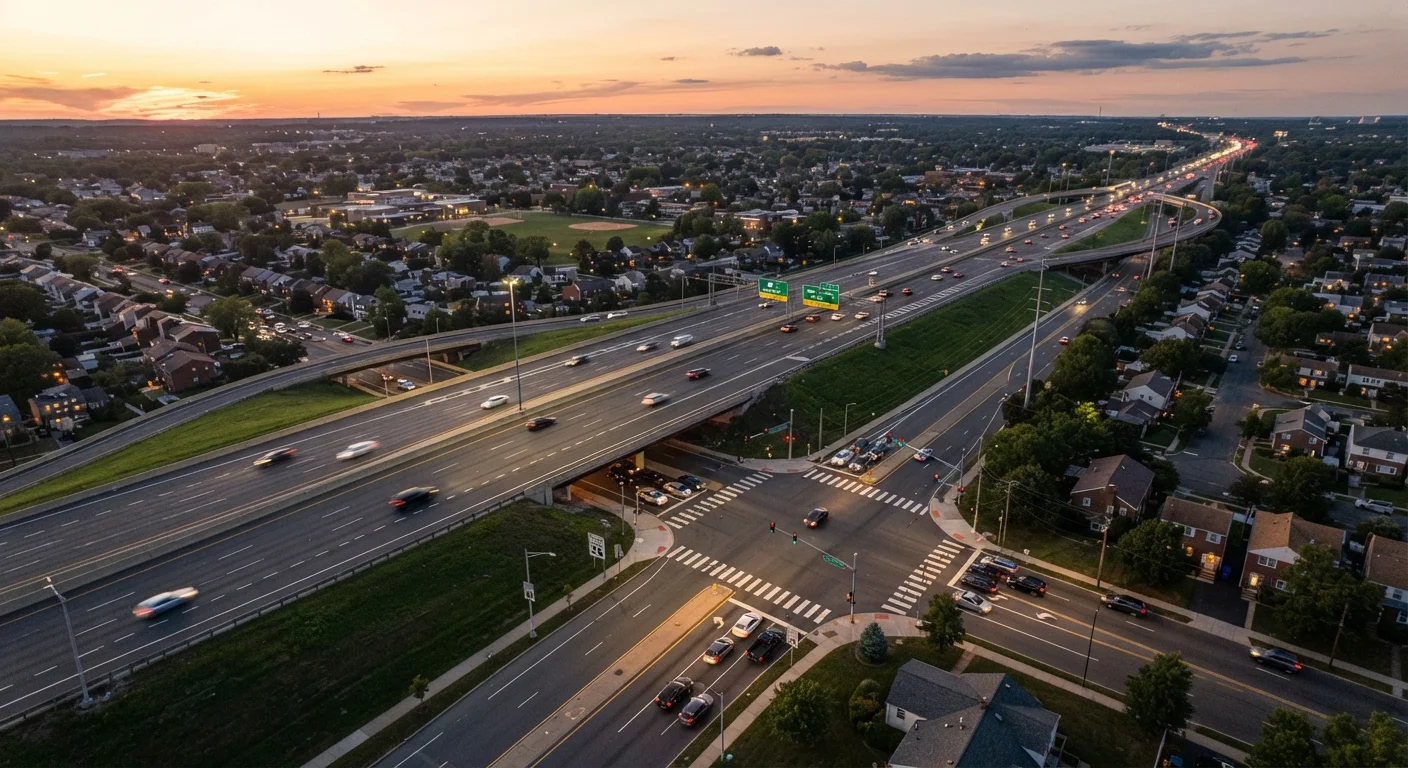
The triangular section of pavement between a highway mainline and an exit or entrance ramp. Marked with striping or raised pavement markers; vehicles must not drive through it.
Right-of-way
The legal right of a vehicle or pedestrian to proceed through a specific point ahead of others. Yield and Stop signs exist specifically to assign right-of-way at conflict points.
One frequently misread guide sign: the exit gore sign (a yellow and black striped panel at the point where an exit lane separates). It marks a physical barrier-driving over it is both dangerous and illegal. Similarly, overhead lane assignment signs on freeways use arrows to designate which lanes lead to which exits; changing lanes once you've passed the last advance sign is how last-minute weaves happen.
Keep your vehicle in top condition before long trips so sign-reading stays your primary concern-not a dashboard warning light. Our pre-trip vehicle safety checklist covers everything worth confirming before you leave the driveway.