Why Warning Lights Exist - and Why They Matter
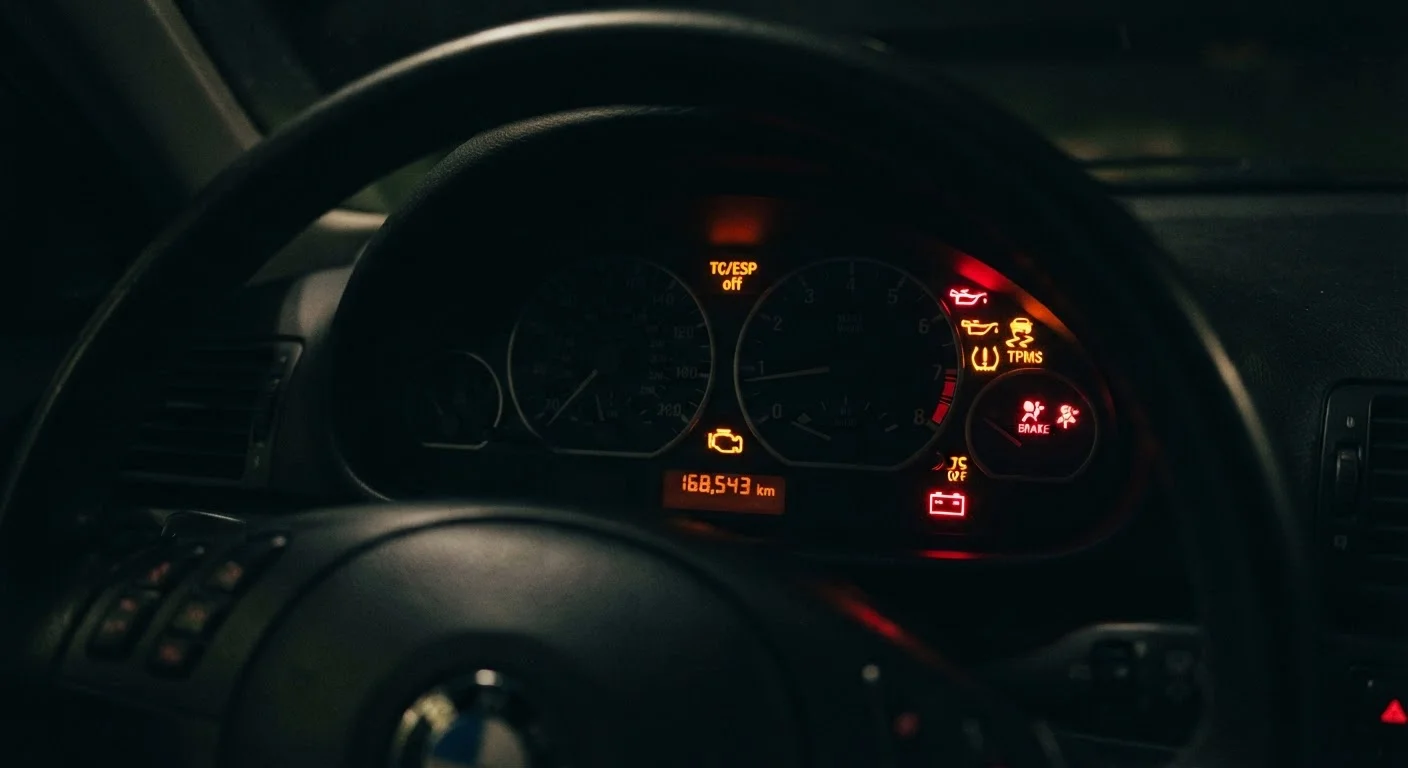
Your vehicle's onboard diagnostic system continuously monitors dozens of sensors across the engine, transmission, brakes, and emissions systems. When something falls outside normal parameters, the system triggers a warning light on your instrument cluster. These lights aren't suggestions - they're your car communicating a specific condition that needs attention.
The critical mistake many drivers make is treating all warning lights the same way: either panicking immediately or ignoring them entirely. Neither response serves you well. Some lights signal an immediate safety risk; others flag a developing issue that gives you days or weeks to schedule a repair. Knowing which is which can save you from a roadside breakdown - and potentially from a repair bill that runs into the thousands.
As we note in our piece on ongoing car expenses new owners overlook, unexpected repairs are one of the biggest budget surprises for drivers. Catching problems at the warning-light stage is almost always cheaper than waiting for a component to fail.
| Color coding: red lights | Potentially serious - act promptly |
| Color coding: amber/yellow lights | Fault detected - schedule service soon |
| Flashing check engine light | Active misfire - reduce speed, see mechanic |
| OBD-II standard | Required on all U.S. cars sold from 1996 onward |
| TPMS mandate | Required on all new U.S. passenger vehicles since 2008 (NHTSA Federal Motor Vehicle Safety Standard 138) |
| Oil pressure warning response | Pull over and shut off engine immediately |
The Most Common Warning Lights Decoded
Below is a practical breakdown of the lights you're most likely to encounter, what triggers them, and how urgently you should respond.
OBD-II
On-Board Diagnostics, second generation - the standardized system in vehicles since 1996 that monitors emissions and engine performance. When a fault is detected, it stores a code and triggers a warning light.
Fault Code (DTC)
A Diagnostic Trouble Code stored by the OBD-II system when a sensor reading falls outside acceptable limits. Codes are read with a scan tool and help mechanics identify the source of a problem.
TPMS
Tire Pressure Monitoring System - a sensor-based system that alerts the driver when one or more tires drop significantly below the recommended inflation pressure.
Catalytic Converter
An exhaust emissions component that converts harmful combustion byproducts into less harmful gases. Engine misfires can damage it quickly, which is why a flashing check engine light is treated as urgent.
Alternator
The engine-driven generator that recharges the battery while the car is running and supplies power to the electrical system. A failing alternator can drain the battery even while driving.
Oil Pressure
The force at which engine oil circulates through internal passages to lubricate moving parts. If pressure drops too low, metal-on-metal contact can cause severe engine damage rapidly.
Check Engine (Malfunction Indicator Lamp)
This amber light is the most misunderstood indicator on any dashboard. It can signal anything from a loose gas cap to a misfiring cylinder. A steady check engine light generally means a non-emergency fault - schedule a diagnostic scan within a few days. A flashing check engine light indicates an active misfire that can damage your catalytic converter; reduce speed and get to a mechanic promptly.
Oil Pressure Warning
A red oil can symbol means your engine may not be getting adequate lubrication. Pull over safely as soon as you can and shut off the engine. Running an engine with low oil pressure can cause irreversible damage within minutes. Check the oil level; if it's fine, the pressure sensor or oil pump may be failing - either way, don't continue driving without professional evaluation.
Battery / Charging System
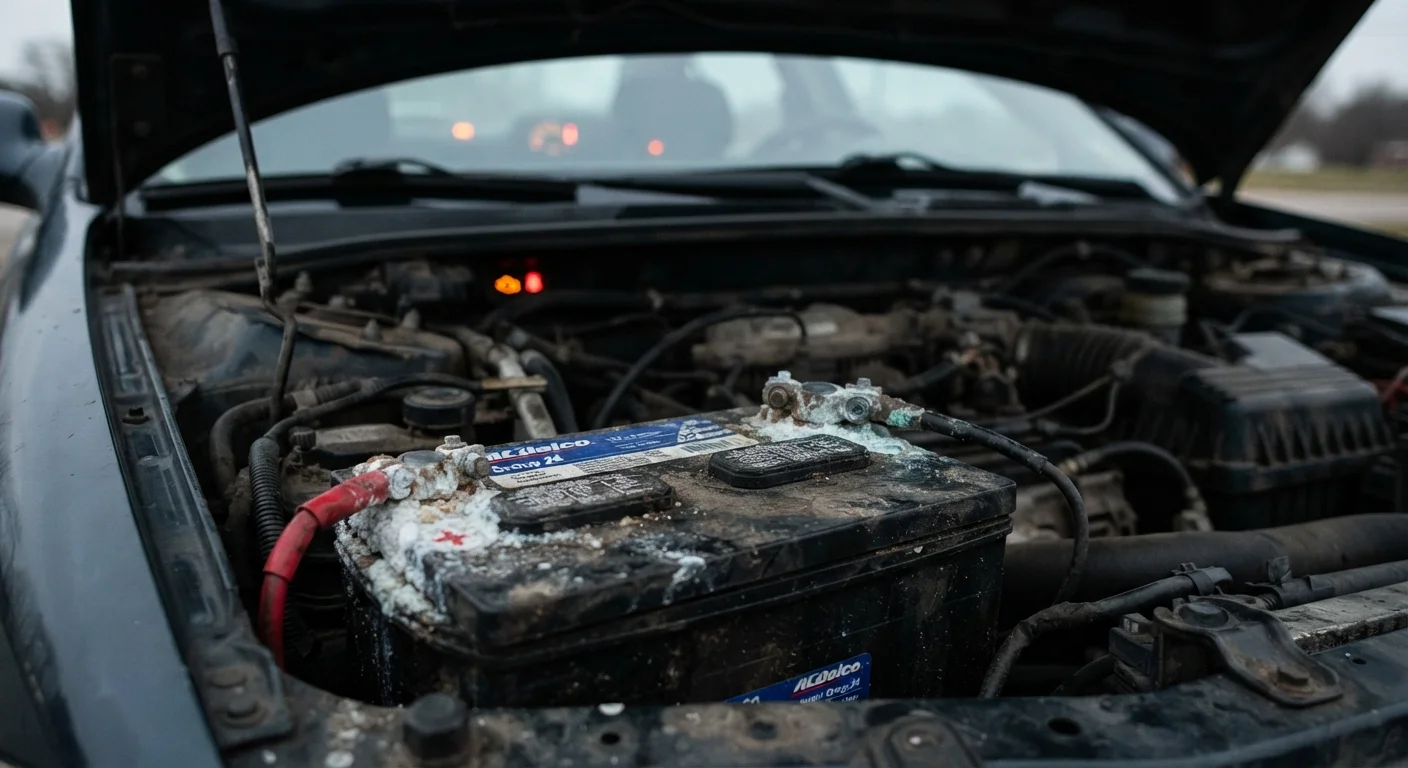
This light typically looks like a battery with positive and negative terminals. It signals that the charging system isn't maintaining proper voltage - often a failing alternator, a worn drive belt, or a battery nearing the end of its life. For more on reading the early signs, see our guide on spotting a weakening car battery before it strands you.
Coolant Temperature Warning
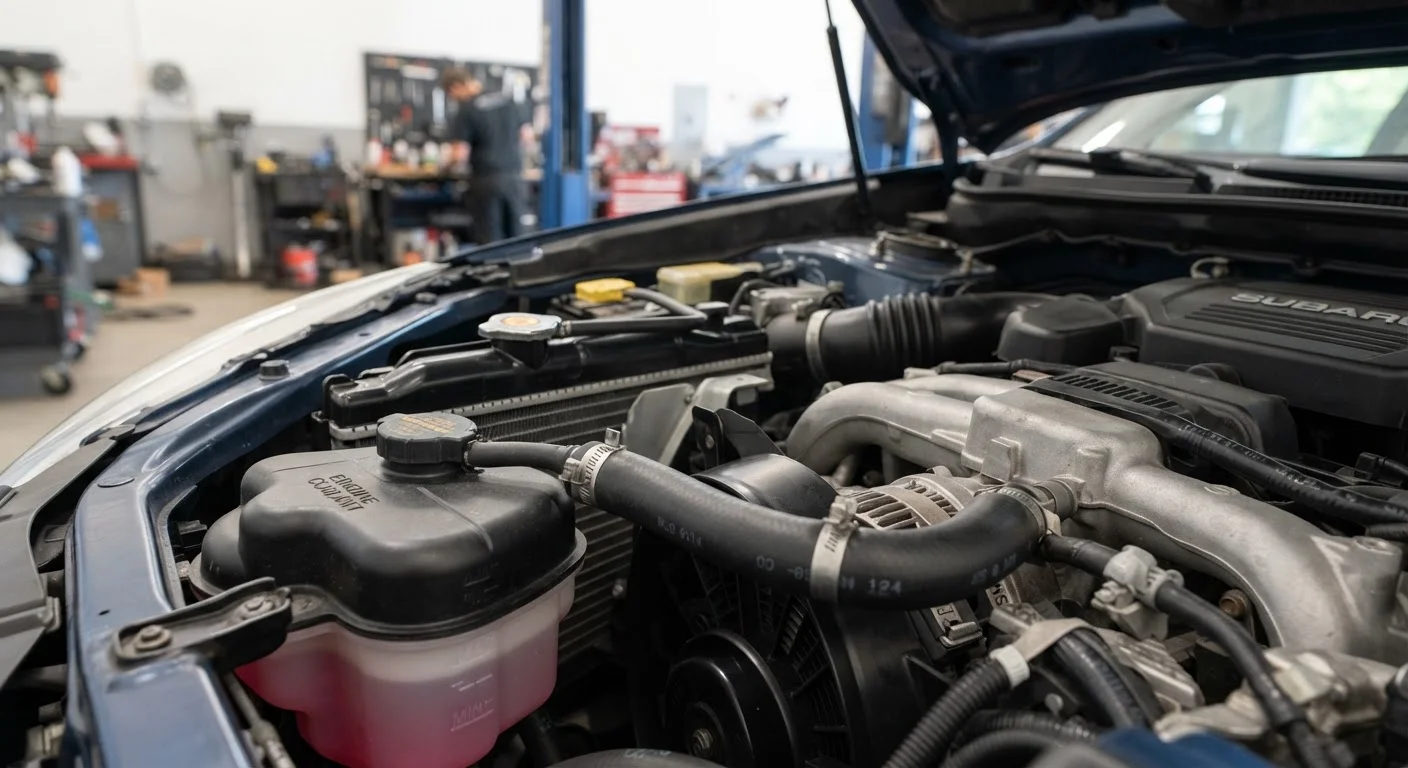
A red thermometer symbol means your engine is overheating. Pull over, turn off the engine, and let it cool before opening the hood. Driving an overheating engine can warp cylinder heads - a repair that costs far more than the coolant issue that triggered it. Our detailed article on how your car's cooling system works explains the components involved and common failure points.
Brake System Warning
If this light appears while driving (not just during startup or when the parking brake is engaged), it may indicate low brake fluid, a hydraulic pressure imbalance, or worn pads. Brakes are a direct safety system - don't defer this one. Our guide to extending brake life and spotting problems early covers what to watch for between service intervals.
TPMS (Tire Pressure Monitoring System)
An underinflated tire affects handling, braking distance, and fuel economy. Check all four tires with a gauge - the TPMS light doesn't always tell you which tire is low. Note that the light can also illuminate when temperatures drop significantly, since cold air reduces tire pressure.
Your Owner's Manual Is the Definitive Reference
Dashboard symbols are not fully standardized across all manufacturers. While many are consistent, some carmakers use proprietary icons for vehicle-specific systems. Your owner's manual - usually in the glove box or available as a PDF from the manufacturer's website - provides the exact meaning of every light for your specific make, model, and year. When in doubt, look it up before assuming.
A Simple Rule for Prioritizing Your Response
Use color as your first filter: red lights signal potentially serious or immediate conditions - act quickly. Amber/yellow lights indicate a fault that needs attention but rarely demands you pull over on the spot. Green or blue lights are informational (high beams, turn signals, cruise control).
When a light comes on, note whether it's steady or flashing, check your owner's manual for the specific symbol, and get a diagnostic scan if the cause isn't obvious. Most auto parts retailers offer free code reads, and a mechanic can give you a full diagnostic report. A scan tells you the fault code - it doesn't automatically tell you the repair needed, but it narrows the field considerably.
This article is for general informational purposes only. Always consult a qualified mechanic for diagnosis and repair of specific vehicle faults.