What 'Cutting the Cord' Actually Means
Cutting the cord means cancelling a traditional cable or satellite TV subscription and replacing it - fully or partially - with internet-based streaming services. Instead of receiving hundreds of channels through a coaxial cable or dish, you watch through apps on a smart TV, streaming stick, or set-top box.
The shift sounds straightforward, but it touches nearly every part of how your household watches television: how you pay, what you can watch live, and how dependable your viewing experience is. Understanding those changes before you cancel helps you avoid surprises.
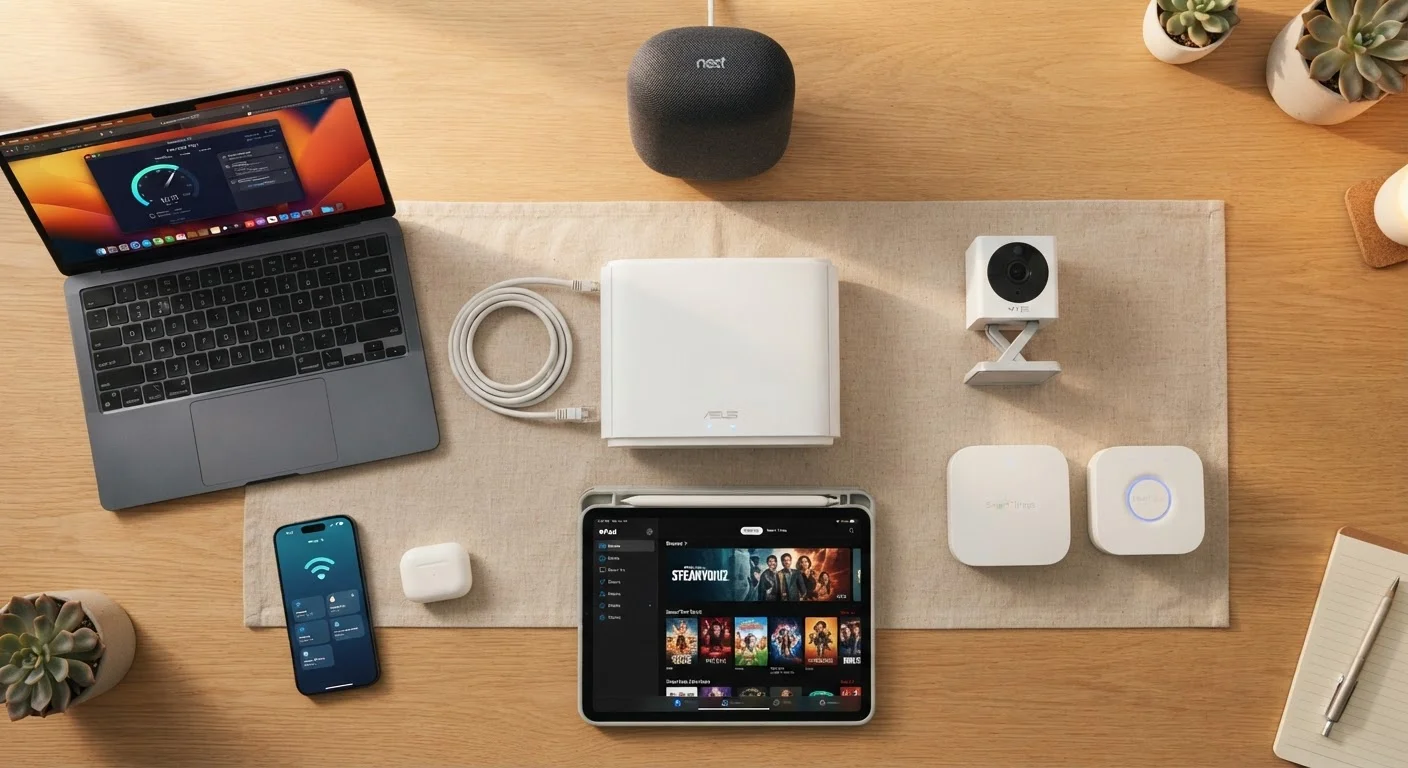
Your home internet connection becomes the backbone of everything. If your broadband is slow or unreliable, streaming will frustrate you. For a deeper look at how connected devices share that bandwidth, see how home networks handle multiple devices.
The Real Advantages of Streaming
The appeal of streaming is genuine - and not just about price.
Lower base cost for most households
A single streaming subscription typically costs a fraction of a standard cable package. Households that only need one or two services often see meaningful monthly savings.
Cancel or pause anytime - no long-term contracts
Most streaming services are month-to-month with no cancellation fees, giving you control that annual cable contracts rarely allow.
Watch on any screen, anywhere
Streaming apps work on phones, tablets, laptops, and TVs. Cable boxes are fixed to specific televisions in specific rooms.
Large on-demand libraries available instantly
Entire series and film catalogues are available to watch at your own pace, without recording schedules or waiting for reruns.
No equipment rental fees
Cable companies typically charge monthly fees for each set-top box. Streaming devices are a one-time purchase, and many smart TVs need no extra hardware.
Flexibility is arguably the biggest structural change. With cable, you pay a fixed monthly rate regardless of whether you watch 10 hours or 100. With streaming, you can subscribe to a service for one month to finish a series, then pause or cancel. That kind of control simply doesn't exist with a traditional cable contract.
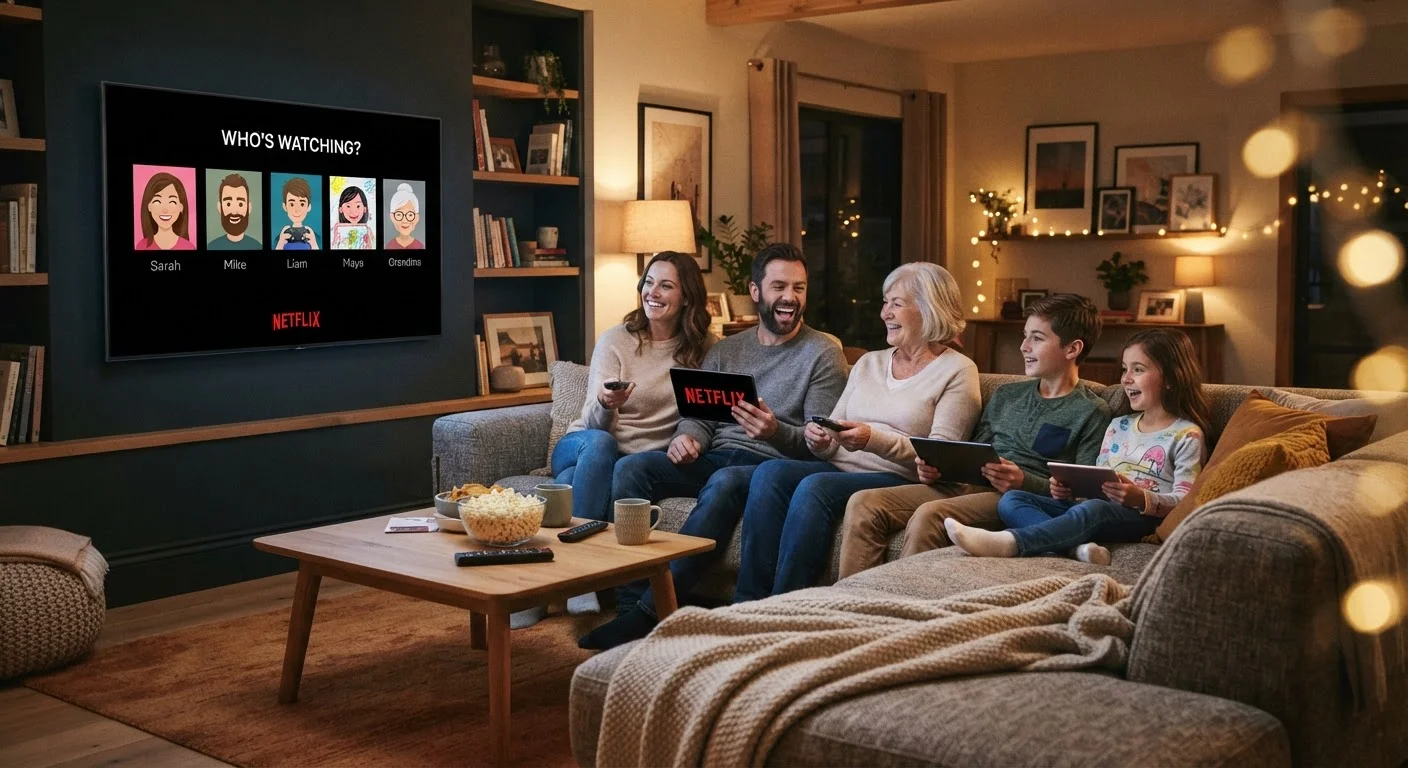
If your household mixes viewing habits - one person follows sports, another prefers documentaries - profiles and parental controls let everyone coexist on one account. Setting up your family on a single streaming account safely walks through how to do that without conflicts.
What You Give Up - The Honest Trade-Offs
Cord-cutting has real limitations that promotional messaging tends to underplay.
Live sports coverage is fragmented and costly
Regional sports networks and live game rights are spread across multiple platforms and add-on packages, making it genuinely difficult and expensive to replicate a full cable sports lineup.
Multiple subscriptions erode cost savings quickly
Subscribing to four or five services to cover what a single cable package offered is common, and the combined monthly total can rival or exceed what cable cost.
Entirely dependent on a reliable internet connection
Buffering, outages, or throttled bandwidth affect every stream. If your ISP has reliability issues, they become TV reliability issues too.
Managing multiple apps and logins adds friction
There is no single guide, remote, or bill. Switching between apps, remembering passwords, and tracking renewal dates falls to the viewer.
Local news and network TV require extra steps
Local channels are not always included in streaming packages. An over-the-air antenna or a live-TV add-on is often needed to access them.
Bill creep is the most common complaint among cord-cutters. Starting with one or two services is easy, but adding sports packages, a live-TV streaming bundle, and a premium tier can push monthly costs back toward - or even past - a cable bill. Tracking what you're actually spending across five separate apps takes more attention than a single cable statement.
~$83
Average monthly cost of live-TV streaming bundles
According to industry tracking data, popular live-TV streaming services have raised prices significantly and now average around $83 per month before add-ons.
4+
Average streaming services per U.S. household
Research from Parks Associates has found that American households subscribing to streaming services hold an average of four or more active subscriptions at any given time.
The Middle Ground: A Hybrid Setup
Many households land somewhere between full cable and streaming-only. A free over-the-air antenna, for example, restores local broadcast channels - including news and network sports - at no ongoing cost. Pair that with one or two streaming subscriptions and you may cover most of what your household actually watches.
A "skinny bundle" - a slimmed-down live-TV streaming service - is another option for households that need more live channels but not the full cable package. These services typically cost less than traditional cable but more than on-demand streaming alone.
Don't Forget the Internet Bill
When comparing cable to streaming costs, remember that cable bundles often include internet service at a discounted rate. If you cancel cable but keep the same provider for internet, your standalone broadband bill may increase. Factor in the true internet cost - not the bundled promotional rate - before concluding how much you'll actually save.
Whichever path you choose, the decision process is similar to any significant household purchase: clarify what you actually use, compare realistic total costs, and read the terms carefully. The same discipline that applies when weighing online versus in-store shopping trade-offs applies here - convenience and price aren't the whole story.