
Why the Channel You Choose Matters
Most shoppers develop a default habit - either reaching for a device or heading to a store - without pausing to ask whether that default serves the purchase at hand. But the channel shapes more than convenience. It affects price accuracy, the ability to inspect what you're buying, how easy returns will be, and what data you leave behind in the process.
This isn't about declaring a winner. Online and in-store retail each exist because they solve different problems. The goal here is to help you identify which channel reduces friction and risk for each specific type of purchase - rather than applying one habit to everything. For a broader framework on intentional purchasing, see Building a Smarter Shopping Habit from the Ground Up.
Head-to-Head: How the Channels Compare
The table below lays out the core trade-offs across criteria that matter most to everyday consumers. Neither column is uniformly better - the balance shifts depending on what you're buying.
| Online Shopping | In-Store Shopping | |
|---|---|---|
| Selection & availability | Vast, global inventory; niche items accessible | Limited to local stock; popular items only |
| Price comparison | Easy to compare multiple sellers instantly | Limited; requires visiting multiple stores |
| Tactile inspection | Not possible before purchase | Full hands-on evaluation available |
| Immediate possession | Shipping delay (same-day in some markets) | Take item home immediately |
| Return experience | Often involves shipping costs and wait times | Typically faster; may need receipt and packaging |
| Data privacy | High data collection; profile building common | Lower volume; loyalty cards optional |
| Impulse purchase risk | Algorithm-driven upsells and one-click buying | Layout and display designed to encourage browsing |
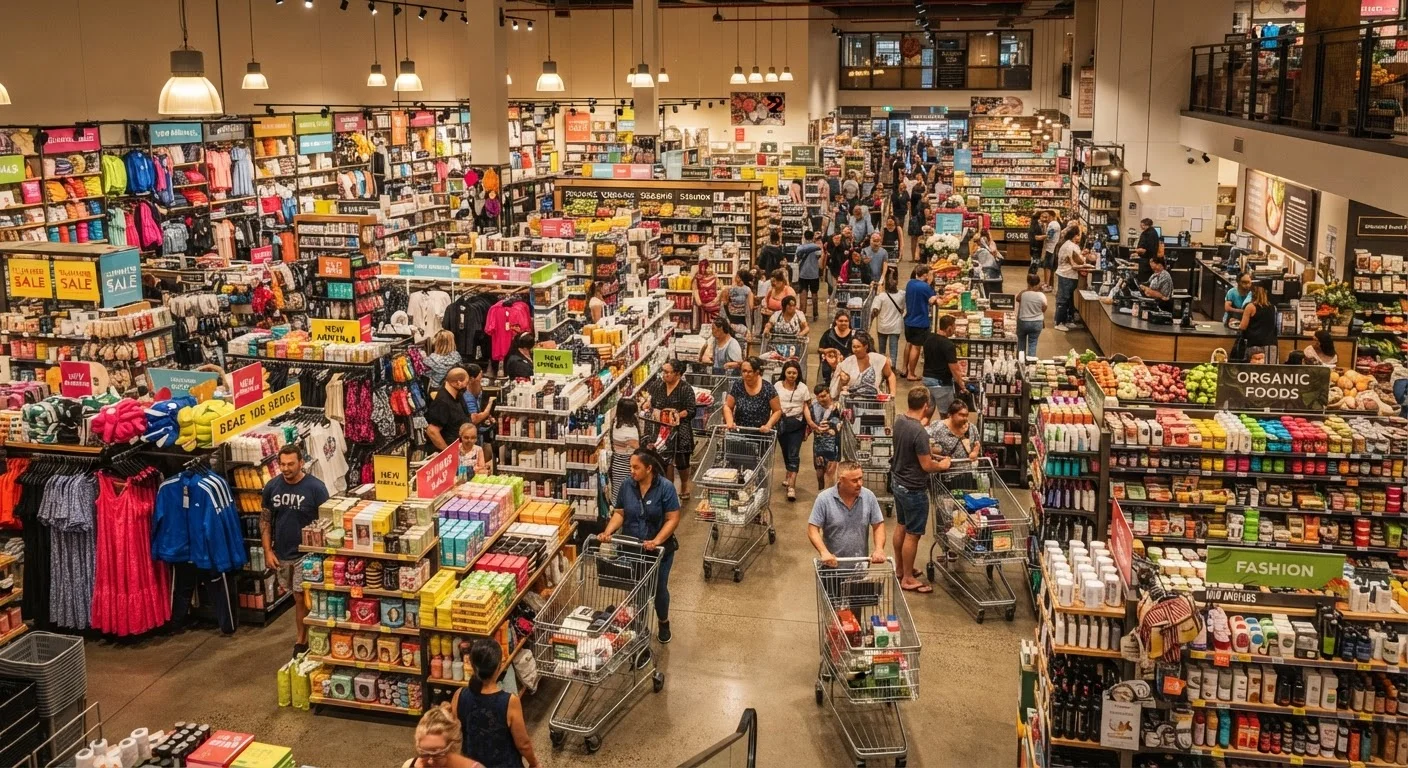
One dimension the table can't fully capture: impulse dynamics. Both environments are designed to encourage unplanned spending, but the triggers differ. Physical stores use layout, scent, and product placement; online retail uses personalization algorithms, countdown timers, and seamless one-click checkout. Understanding those mechanisms helps you stay deliberate. Impulse Buying: The Psychology Behind Unplanned Purchases explores these tactics in depth.
Returns, Rights, and the Fine Print
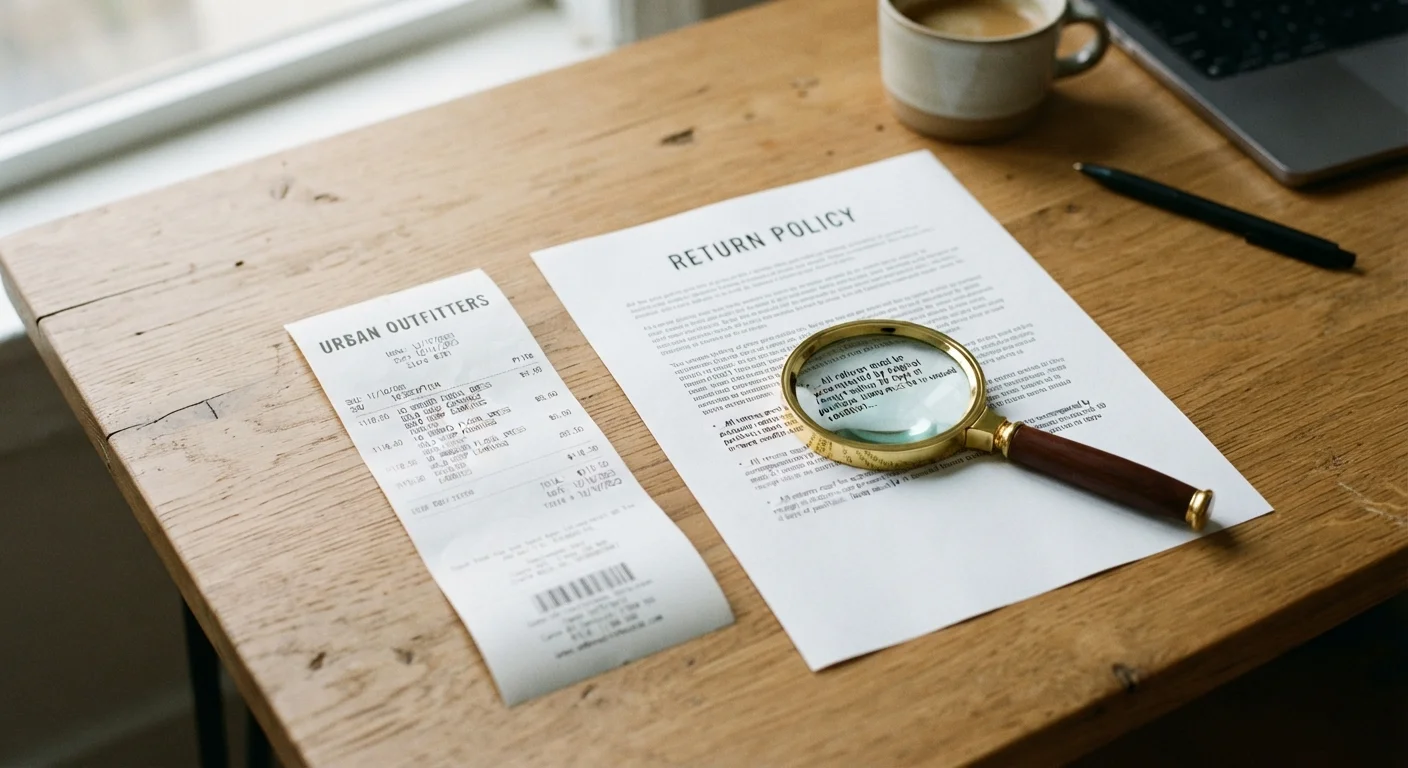
Return policies are where many shoppers discover the real cost of their channel choice - after the purchase is made. Online returns frequently involve shipping costs, restocking fees, and longer timelines before refunds appear. In-store returns are often faster but may require original receipts and packaging, and some categories (opened electronics, swimwear) carry restrictions regardless of channel.
Check Return Terms Before You Buy
Return policies vary widely between retailers and between channels - even within the same brand. Before completing a purchase, confirm the return window, whether a receipt or original packaging is required, and whether restocking fees apply. For online orders, clarify who covers return shipping costs. Doing this before buying is far less frustrating than discovering restrictions after the fact.
It's also worth noting that consumer rights protections - including dispute resolution through credit card chargebacks - can work differently depending on whether a purchase was made online or in person. Before any significant purchase, Decoding the Fine Print on Return Policies is worth reading to understand what retailers are actually committing to.
Quality Signals You Can and Can't Access
One of the most underappreciated advantages of in-store shopping is tactile inspection. You can assess fabric weight, seam construction, finish quality, and actual color - all things that product photography routinely misrepresents. For clothing, footwear, furniture, and anything where fit or material quality is central to satisfaction, in-store evaluation removes a significant source of purchase regret.
Online shopping partially compensates through customer reviews, but reviews carry their own reliability problems: they can be gamed, self-selected, or reflect a narrow slice of buyers. A more durable approach is learning to evaluate products on objective signals - materials, construction standards, and independent certifications - rather than aggregate ratings. How to Evaluate Product Quality Without Relying on Reviews covers this in practical terms.
For standardized products with clear specifications - a specific model of appliance, a book, a refill of a product you already know - the quality inspection advantage largely disappears, and online shopping's price comparison capability becomes more relevant. Run through a pre-purchase checklist before committing to any significant item, regardless of channel.
Data Privacy: The Hidden Trade-Off of Online Shopping
Every online purchase generates data: browsing history, purchase patterns, payment details, and behavioral signals that retailers use for targeted marketing and that data brokers may collect and resell. In-store shopping isn't anonymous either - loyalty cards and credit card swipes create records - but the volume and granularity of data collected online is substantially higher.
This doesn't mean online shopping should be avoided, but it does mean it carries a privacy cost worth factoring in. Using guest checkout rather than saved accounts, reviewing app permissions, and being selective about which retailers receive stored payment details are practical ways to limit exposure. The broader convenience-versus-privacy tension in digital services is explored in The Trade-Offs of Convenience vs. Privacy in Everyday Tech.