What an E-Reader Actually Is
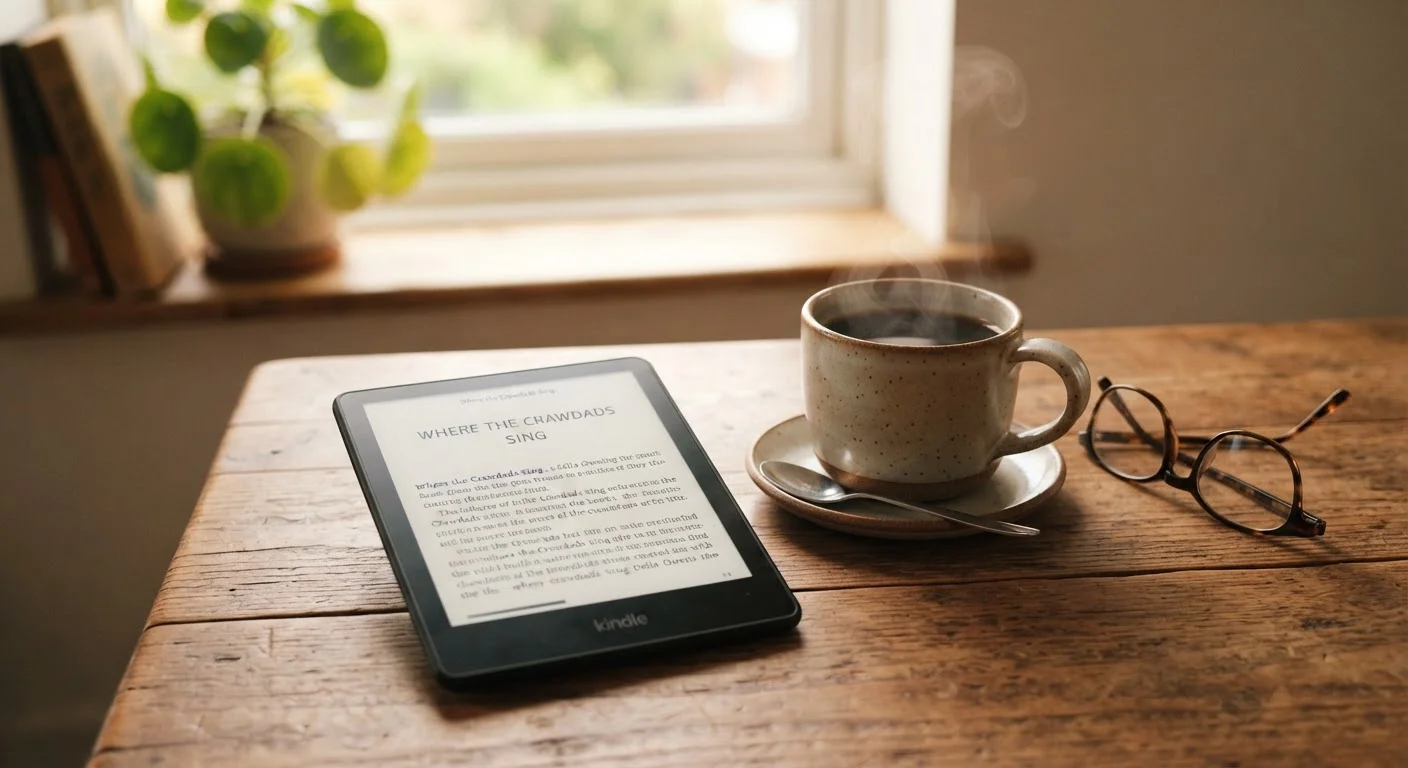
An e-reader is a purpose-built device designed almost exclusively for reading digital books and long-form text. Unlike tablets, most e-readers use E Ink display technology - a type of screen that reflects ambient light rather than emitting it, mimicking the appearance of ink on paper. The result is a reading surface that many people find easier on the eyes during extended sessions, particularly in bright daylight.
Most e-readers connect to digital storefronts where users purchase or borrow ebooks. They support common file formats and, depending on the device, may also integrate with library lending systems such as OverDrive or Libby. They are not general-purpose computers - they do not run apps, stream video, or replace a smartphone. That focused purpose is both their strength and their limitation.
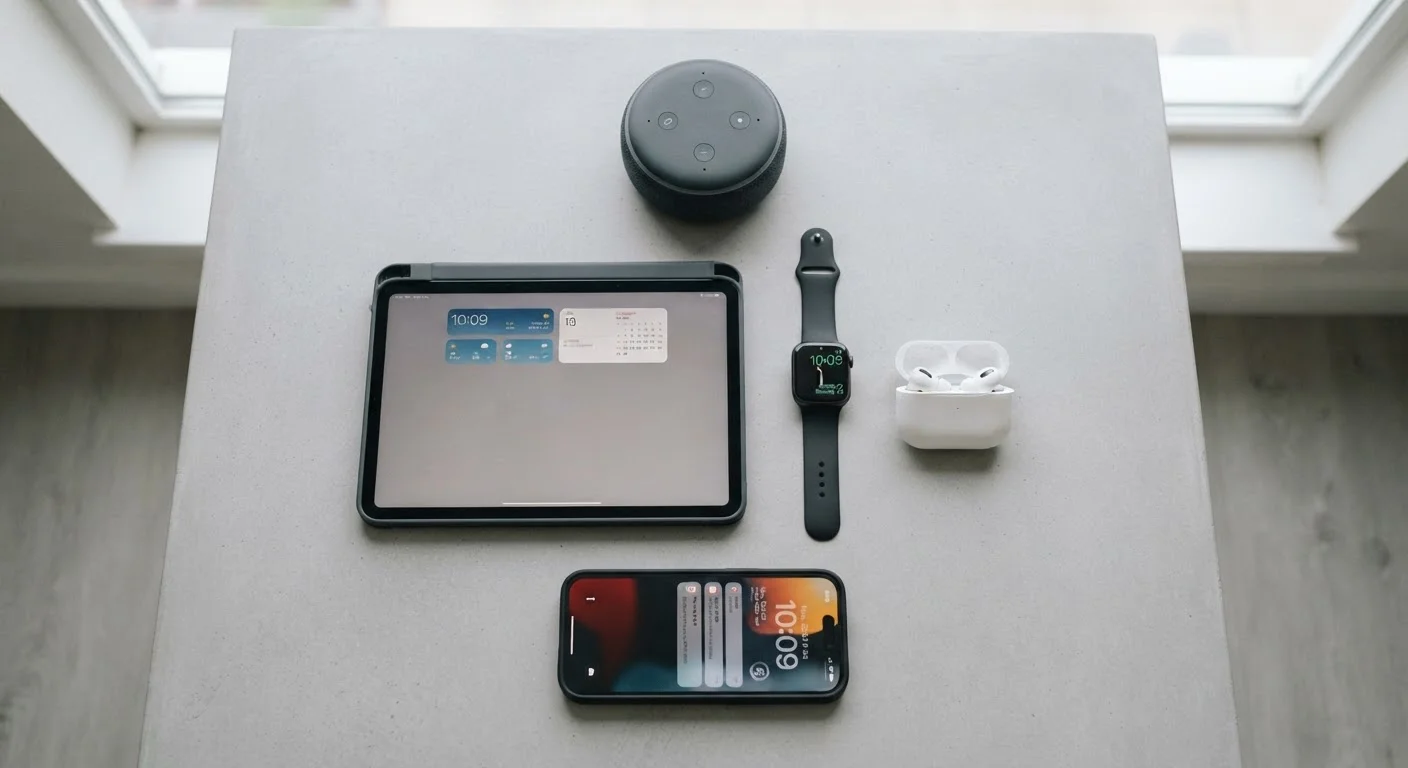
Understanding the device in those terms is essential before deciding whether one belongs in your life. For a broader view of how single-purpose gadgets like this fit into the modern consumer technology landscape, see how modern devices fit together.
Where E-Readers Genuinely Deliver
For the right reader, an e-reader removes several persistent friction points from the reading experience.
Reduced eye strain during extended reading sessions
E Ink screens reflect ambient light rather than projecting it directly at the eye, which many readers find more comfortable over long periods - particularly at night with a front light set to a warm tone.
Exceptional battery life measured in weeks
Because the screen only draws power when the page changes, most e-readers last two to eight weeks on a single charge, making them reliable for travel without worrying about outlets.
Carry thousands of books in minimal space
An e-reader typically weighs under seven ounces and can hold thousands of titles, eliminating the weight and bulk of carrying even two or three physical books.
Adjustable text size and font accessibility
Readers with vision changes or dyslexia can increase font size, adjust line spacing, or switch typefaces - customizations that printed books cannot offer.
Fewer distractions than a general-purpose tablet
Without app notifications, social media, or video streaming, an e-reader creates a focused reading environment that many readers find easier to sustain attention in.
6-8 weeks
Typical battery life for leading e-readers
Manufacturers of major E Ink devices commonly rate battery life at four to eight weeks based on approximately 30 minutes of daily reading with wireless off.
~170 g
Average weight of a standard e-reader
Most current e-readers weigh between 150 and 205 grams - roughly the weight of a small paperback - making extended one-handed reading comfortable.
Beyond eye comfort, the battery life advantage is significant in practice. Most modern e-readers last several weeks on a single charge under typical use - a meaningful contrast to tablets that need nightly charging. For travelers, commuters, or anyone who reads in contexts where charging is inconvenient, that durability matters.
Storage capacity is another underappreciated advantage. Thousands of titles can be stored on a single device, which has obvious appeal for people who read across multiple books at once or want a full travel library without extra weight.
Where E-Readers Fall Short
E-readers are a poor match for several common reading scenarios, and it is worth being direct about those gaps before making a purchasing decision.
Poor experience for illustrated or visual content
Standard E Ink screens are grayscale, making them unsuitable for graphic novels, children's picture books, or any content where color and image fidelity matter.
DRM restrictions limit true book ownership
Most ebooks purchased through major platforms are licensed, not owned - meaning they can be revoked, and they may not transfer if you switch devices or the platform changes its terms.
Upfront device cost with no reading benefit for casual readers
If you read fewer than a dozen books a year, the cost of an e-reader device is unlikely to be offset by any savings on ebook prices compared to physical or library borrowing.
Cannot lend or resell purchased ebooks
Unlike a physical book you can pass to a friend or donate, most ebooks cannot be lent or resold, limiting the social and economic flexibility that print books offer.
Library integration varies and can be limited
While many e-readers support digital library borrowing, availability depends on your local library's ebook catalogue, which in some regions is significantly smaller than the physical collection.
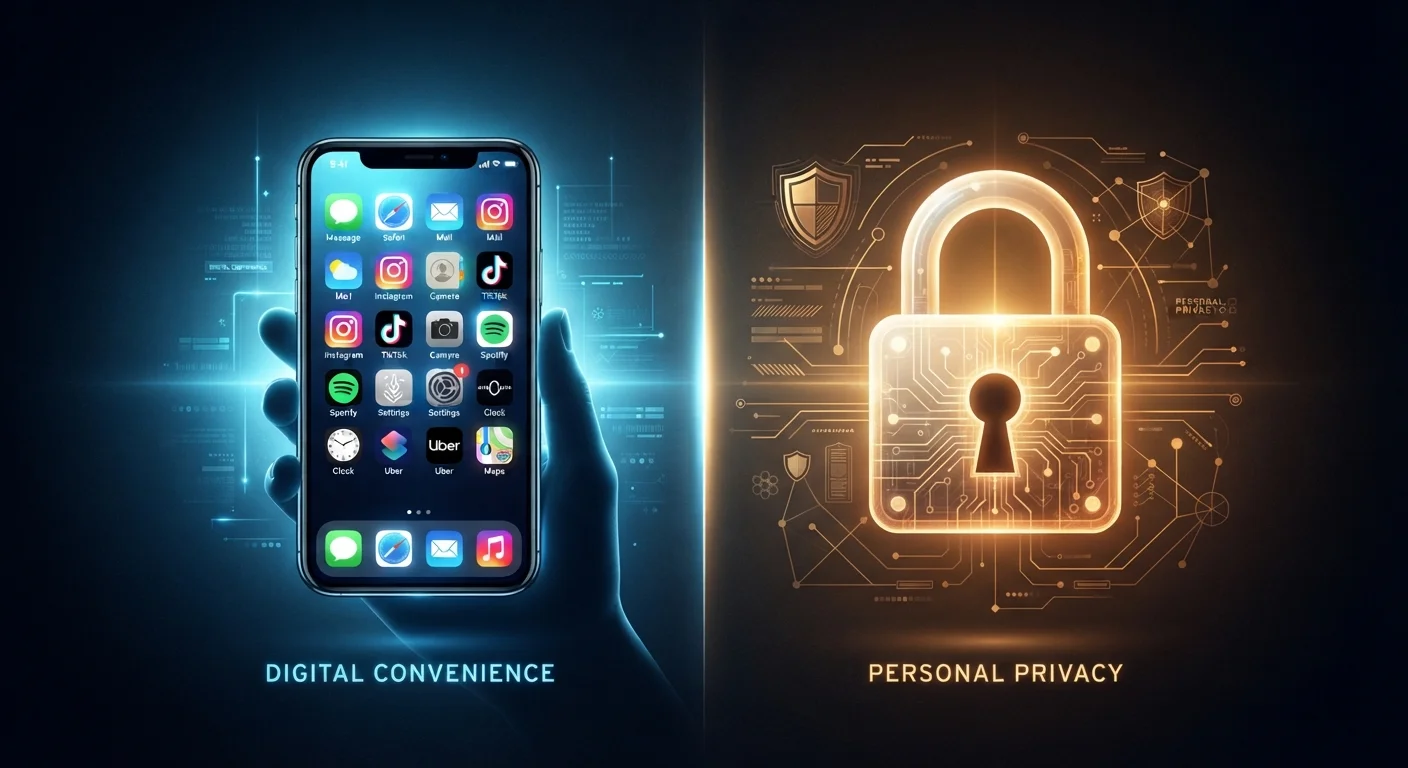
One frequently overlooked friction point is the ecosystem lock-in that comes with most major e-reader platforms. Books purchased through one platform's store are often tied to that platform's format via DRM (Digital Rights Management), meaning your library may not transfer cleanly if you change devices or providers. Readers who value ownership and long-term flexibility should weigh this carefully. For broader context on privacy and convenience trade-offs in everyday technology, see the trade-offs of convenience vs. privacy in everyday tech.
Who Genuinely Benefits - and Who Probably Doesn't
The readers who get the most consistent value from e-readers share a few traits: they read frequently (more than a book or two a month), they favor text-heavy formats like novels, memoirs, or long-form journalism, and they place practical value on portability and battery life.
Library Borrowing Via E-Readers
Many e-readers support borrowing ebooks through public library platforms such as Libby or OverDrive. Access depends on your local library system participating and having sufficient digital licenses for popular titles. Wait times for in-demand ebooks can sometimes rival physical hold queues, so this feature works better for readers with flexible reading lists than for those who want the latest releases immediately.
On the other side, readers who gravitate toward illustrated children's books, graphic novels, technical manuals with dense diagrams, or heavily formatted reference materials will find E Ink displays limiting. Color E Ink exists but remains expensive and less vibrant than even a basic tablet screen. Students who need to annotate PDFs intensively or jump between sections non-linearly may also find a tablet or laptop more practical.
It is also worth noting that for some people, the tactile and ritual aspects of physical books - the feel of pages, handwritten margin notes, the ability to loan a copy to a friend - hold genuine personal value. That is not a sentimental bias to dismiss; it reflects a legitimate preference that e-readers cannot replicate. If you find the habit of analog reading beneficial beyond just information intake, resources on building sustainable reading habits may offer useful framing for that choice.
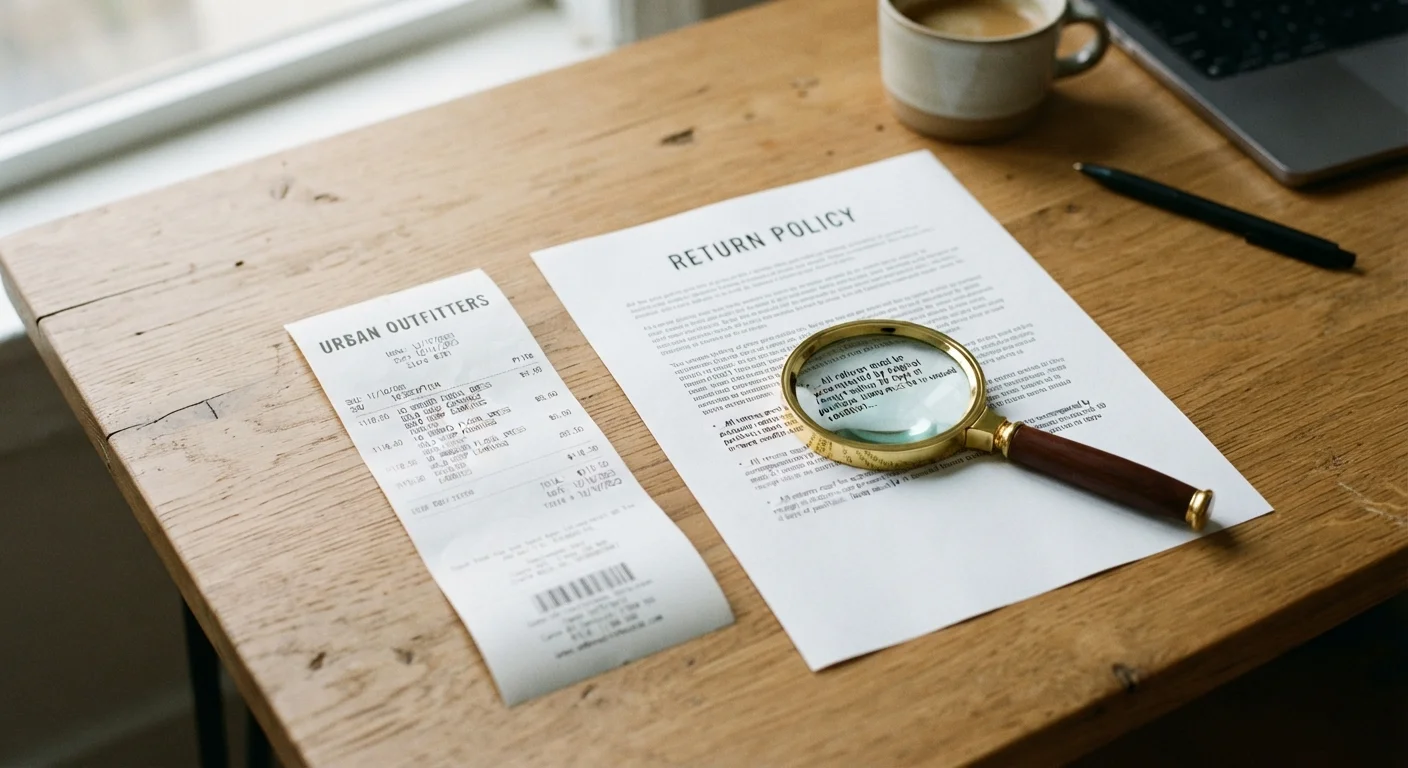
Finally, the upfront cost of a dedicated e-reader device is a real consideration, particularly for occasional readers. Before purchasing, it is worth reviewing return and trial policies. Understanding return policy fine print can help you assess your options if the device does not suit your habits after use.