Why the Default Setup Works Against You
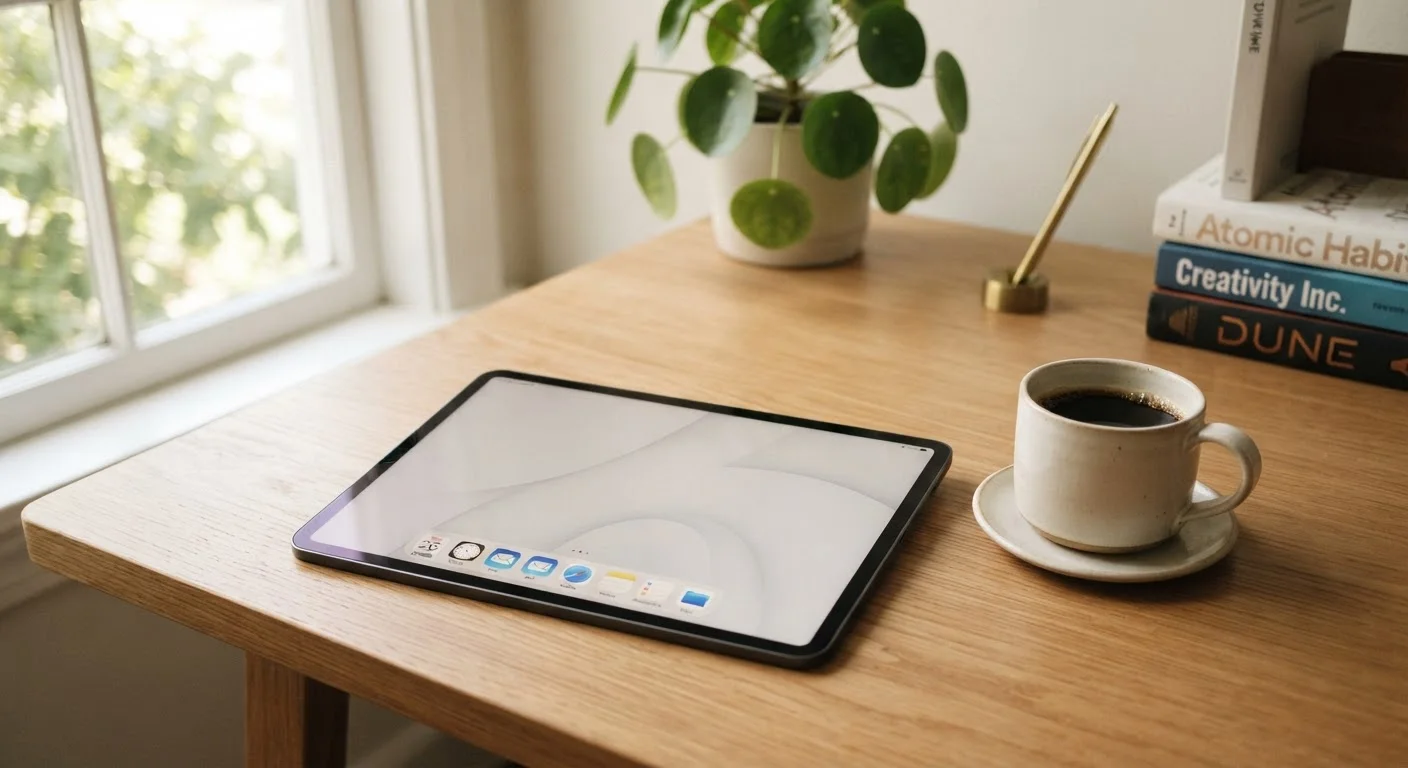
A new tablet arrives pre-configured for the manufacturer's interests, not yours. The default settings typically maximize data collection, enable broad app permissions, and front-load the home screen with apps designed to generate engagement - regardless of whether they're useful to you. Background processes run constantly, draining battery and slowing the device before you've opened a single app you actually chose.
The good news: the core settings that matter most are accessible without any technical knowledge. This guide walks you through a deliberate setup that strips away what you don't need and builds a clean, responsive device from the ground up. For broader home tech guidance, including how your tablet fits into a larger connected household, explore our Home Tech Tips hub.
Back Up Before You Change Settings
If you're setting up a tablet that previously belonged to someone else, perform a full factory reset before following these steps - not after. Skipping this means old accounts, files, and apps may carry over. On most tablets, the factory reset option lives under Settings > General Management > Reset.
Before you begin, gather your prerequisites:
What you will need
Step-by-Step Setup Process
Follow these steps in order. Each one builds on the last - skipping ahead, especially past the update and privacy steps, leaves gaps that are harder to close later.
Wi-Fi network credentials
Required to connect the tablet to the internet for updates and account setup.
Email account
Used to create or sign into the platform account (Google, Apple ID, etc.) that manages app downloads.
Stylus or keyboard case
Useful for configuring accessibility or productivity settings if your tablet supports them.
Connect to Wi-Fi and run software updates immediately
The very first thing to do - before creating any account or downloading anything - is connect to your home Wi-Fi and navigate to Settings > Software Update (the exact label varies by platform). Install any pending updates. This closes security gaps that exist on factory firmware and ensures every subsequent step builds on a stable foundation.
Create or sign into your platform account with intention
You'll be prompted to sign in to a platform account - Google on Android, Apple ID on iPads. Use a dedicated email rather than your primary personal inbox if privacy is a concern. During account creation, read each permission screen: cloud backup, location history, and ad personalization are typically opt-in steps disguised as defaults. Turn off anything you don't actively want.
Audit and remove pre-installed apps
Most tablets ship with a collection of pre-installed apps - sometimes called bloatware - including trial software, carrier apps, and manufacturer services you may never use. Go to Settings > Apps and review the full list. For apps you cannot uninstall, select Disable: this prevents them from running in the background, consuming storage, and sending notifications without removing them entirely.
Focus especially on apps that request location, contacts, or microphone access but serve no clear purpose for you.
Configure privacy and notification settings
Navigate to Settings > Privacy and review which apps have access to your camera, microphone, location, and contacts. Revoke permissions for any app that doesn't have an obvious functional reason to need them. Then go to Settings > Notifications and turn off alerts for every app by default - re-enable only the ones you genuinely want interrupting you.
Set a secure lock method
Go to Settings > Security > Screen Lock. A six-digit PIN is a reasonable minimum; a longer alphanumeric passcode is stronger. Biometric options like fingerprint or face unlock are convenient, but always pair them with a strong PIN as a fallback - biometrics can fail in certain conditions. Once set, configure the screen to lock automatically after 30-60 seconds of inactivity.
For more on keeping all your devices secure, see our guide on protecting personal data across all your devices.
Install only the apps you need right now
Open the app store and install apps one at a time based on immediate, specific needs - not a wishlist. Every app is a background process, a potential notification source, and an ongoing storage consumer. A focused starting set of five to eight apps is easier to manage and far less likely to slow down a device than fifty installed 'just in case.'
Organize your home screen around daily use
Delete every icon from the default home screen and rebuild it from scratch. Place only your most-used apps on the main screen - typically communication, reading, and one or two entertainment apps. Move everything else into folders on a secondary screen. A clean home screen isn't just aesthetic; it reduces the cognitive load of picking up the device and makes the tablet feel faster to use even when performance hasn't changed.
Group Apps by How You Actually Live
Rather than organizing by app category, try grouping by activity - a 'Morning' folder with news, weather, and email, and an 'Leisure' folder with streaming and games. This friction-free layout means fewer taps to reach what you need most. If your tablet integrates with other smart home devices, see our guide to setting up a smart home from scratch for pairing tips.
Don't Skip the Software Update Step
Using a tablet on outdated firmware leaves known security vulnerabilities open. Manufacturers regularly patch flaws that could expose your personal data, browsing history, or payment information. Always check for and install available updates before adding any personal accounts or sensitive apps.
This article provides general technology guidance. Features and menu labels vary by device manufacturer and operating system version. Consult your device's support documentation for model-specific instructions.