What Fixed and Variable Rates Actually Mean
When you borrow money - through a mortgage, personal loan, student loan, or auto financing - the interest rate structure determines how your cost of borrowing behaves over time. Before comparing options, it helps to understand the foundational financial terms that underpin every debt conversation.
Fixed interest rate: The rate is set at origination and does not change for the life of the loan. Your monthly payment stays the same whether market interest rates rise or fall. This predictability makes budgeting straightforward.
Variable interest rate: Also called an adjustable rate, this type is tied to a benchmark index - commonly the federal funds rate or the Secured Overnight Financing Rate (SOFR). As the index moves, your rate adjusts, typically at defined intervals (monthly, quarterly, or annually). Your payment amount changes accordingly.
Both structures affect how much total interest you pay over time - and the gap can be significant on large, long-term loans.
How Each Rate Type Plays Out Over a Loan's Life
The difference between fixed and variable rates isn't just about the initial number - it's about how your total repayment cost evolves. Compound interest compounds that effect: even a half-point rate difference, sustained over years, can add or subtract thousands of dollars from what you ultimately pay.
Consider a $250,000 mortgage over 30 years. A fixed rate at 6.5% produces the same payment every month, and you can calculate your total interest to the penny at closing. A variable rate might start at 5.5% - saving money initially - but if it adjusts upward after the introductory period, total interest could surpass what the fixed loan would have cost.
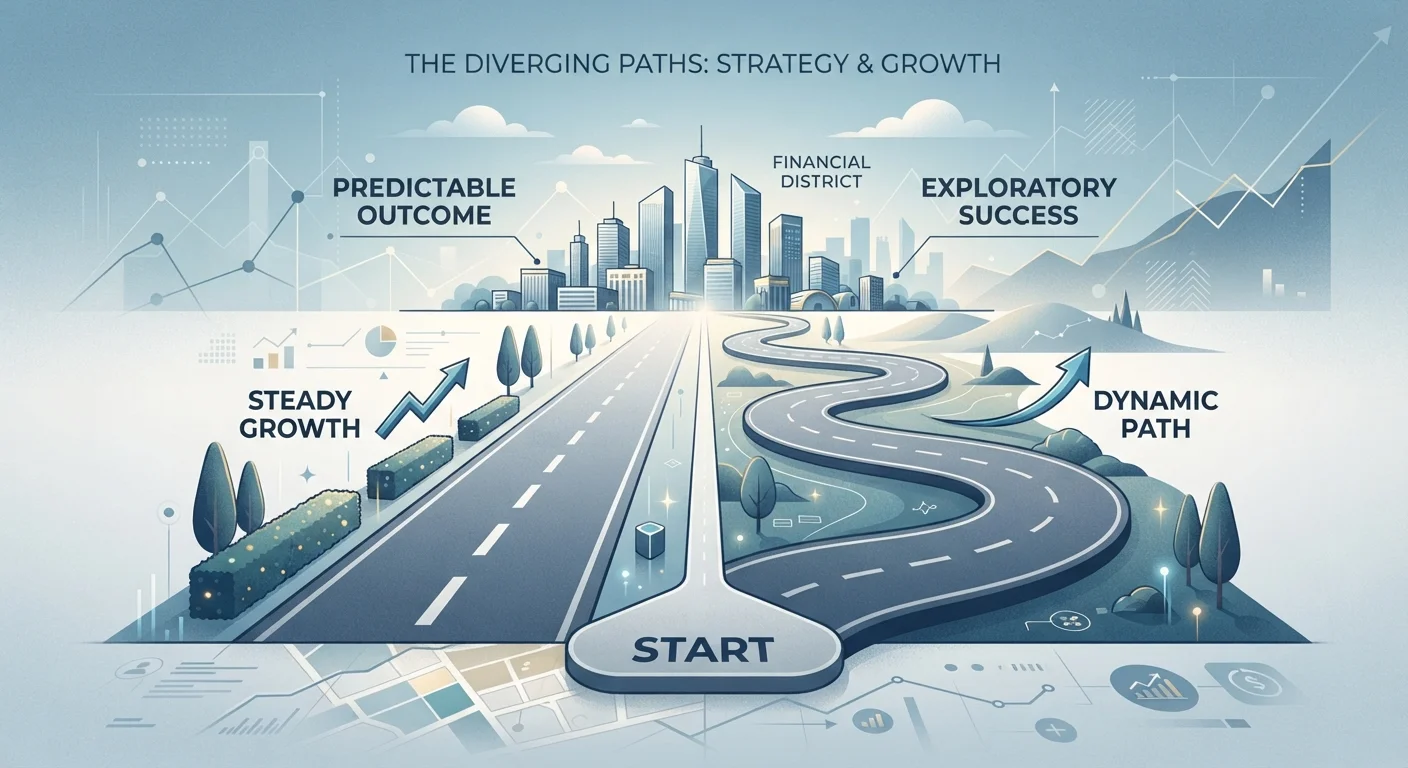
For shorter debts, variable rates often win on cost. On longer obligations, fixed rates tend to offer better protection against cumulative rate-rise risk.
| Fixed Rate | Variable Rate | |
|---|---|---|
| Payment consistency | Same every month | Changes with index |
| Initial rate | Often slightly higher | Often lower at start |
| Long-term cost certainty | High - fully predictable | Low - depends on rate movements |
| Risk exposure | Minimal rate risk | Rises if benchmark rates increase |
| Best loan term fit | Long-term (10-30 years) | Short-term or introductory periods |
| Budgeting simplicity | Easy to plan around | Requires financial flexibility |
| Common products | Mortgages, personal loans, student loans | Credit cards, ARMs, some private loans |
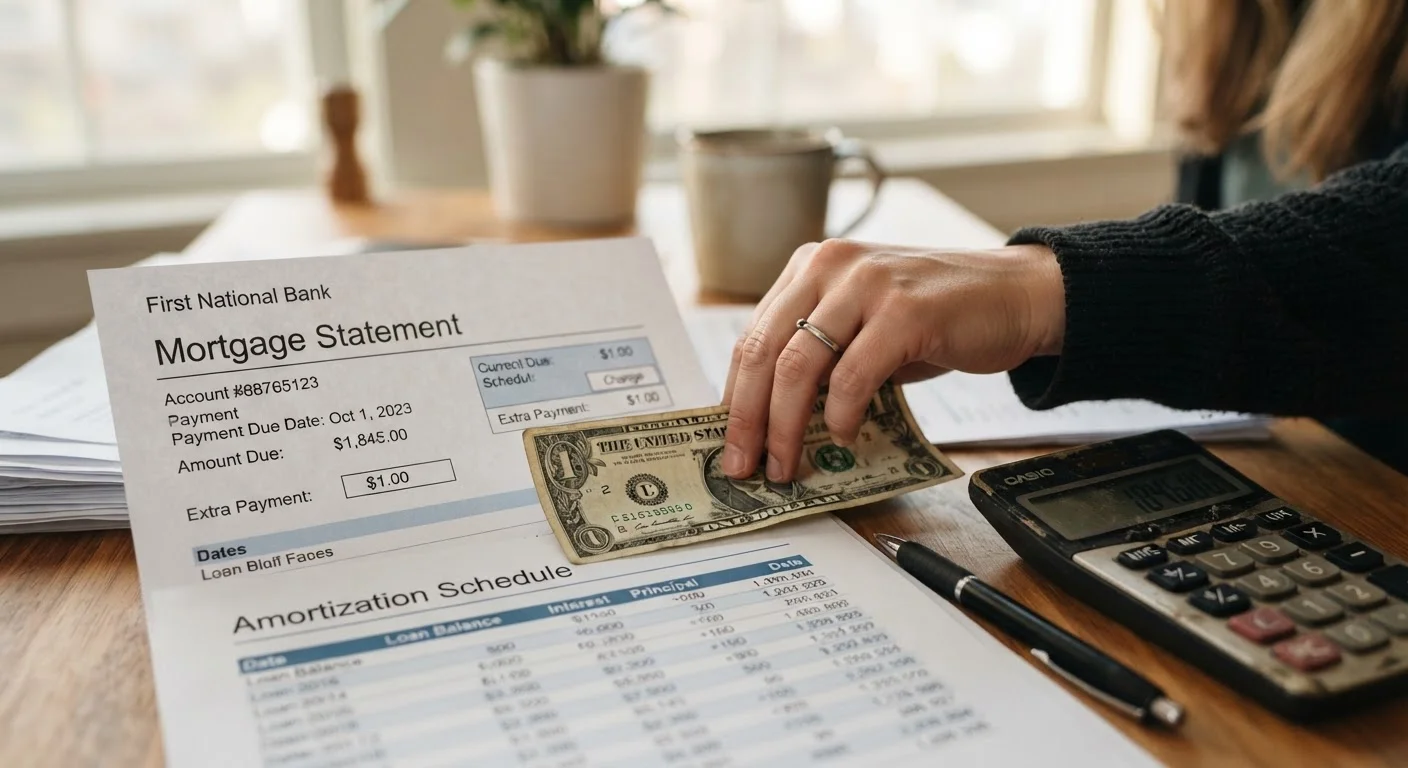
Making extra payments can reduce the total interest on either structure. Paying extra on your mortgage works differently depending on whether your loan is fixed or variable, so it's worth understanding the mechanics before committing to either approach.
Where Each Rate Type Appears in Common Debt Products
Rate structures aren't uniform across debt categories. Knowing which products typically carry which structure helps you anticipate risk:
- Mortgages: Both structures are widely available. Fixed-rate mortgages (15- or 30-year) are common for long-term homeowners. Adjustable-rate mortgages (ARMs) typically offer a fixed introductory period (e.g., 5 or 7 years) before adjusting annually.
- Student loans: Federal student loans carry fixed rates set by Congress. Private student loans may offer either structure.
- Auto loans: Most are fixed-rate, though the specific rate depends on the lender. Whether you're financing through a dealership or a bank, understanding the rate type should be part of your due diligence.
- Credit cards: Nearly all carry variable rates, which is why card balances become more expensive during periods of rising benchmark rates.
- Personal loans: Often fixed, making them a common tool for consolidating variable-rate credit card debt.
Ask About Rate Caps on Variable Loans
Variable-rate products often include caps that limit how much the rate can increase per adjustment period and over the life of the loan. Before accepting a variable rate, ask the lender for the periodic cap, lifetime cap, and the index it's tied to. These details significantly affect your worst-case payment scenario and should factor into your decision.
Choosing a Structure That Fits Your Financial Picture
No single rate structure is right for everyone. Your choice should reflect your loan term, budget flexibility, and how confidently you can absorb payment increases.
Those with tight monthly budgets - where an unexpected $150 increase in a payment could cause strain - generally benefit from fixed rates. The certainty allows for accurate planning, and that aligns well with understanding your fixed vs. variable expenses when constructing a budget that can withstand real-life disruptions.
Borrowers who anticipate paying off debt quickly, have emergency reserves, or expect rates to fall may find variable structures advantageous. The risk is real, however: if rates rise substantially and remain elevated, your cost of carrying that debt increases - sometimes beyond what the initial savings justified.
~2%
Typical ARM introductory rate discount vs. fixed
Adjustable-rate mortgages have historically opened at roughly 1-2 percentage points below comparable fixed-rate mortgages, though this spread varies with market conditions.
$40,000+
Potential interest difference over 30 years
On a $300,000 mortgage, a 1.5 percentage point rate increase after an ARM's fixed period ends can add tens of thousands in total interest paid, depending on remaining term.
Refinancing offers a way to switch structures mid-loan, though it comes with its own costs and considerations. Consult a licensed financial professional before making significant changes to your debt structure to ensure the decision fits your full financial situation.
This article is for general informational purposes only and does not constitute personalized financial, investment, or legal advice. Consult a qualified financial adviser for guidance specific to your circumstances.