Why the Price Tag Is Never the Whole Story
Walk into any store and the price tag is right there, front and center. But that number only answers one question: what does it cost to take this home today? It says nothing about what you'll spend to keep it working tomorrow, next year, or five years from now.
Total Cost of Ownership (TCO) reframes the question. Instead of asking "what does this cost?" it asks "what will this cost me?" - across the entire time you own it. For many everyday products, the gap between those two numbers is surprisingly large.
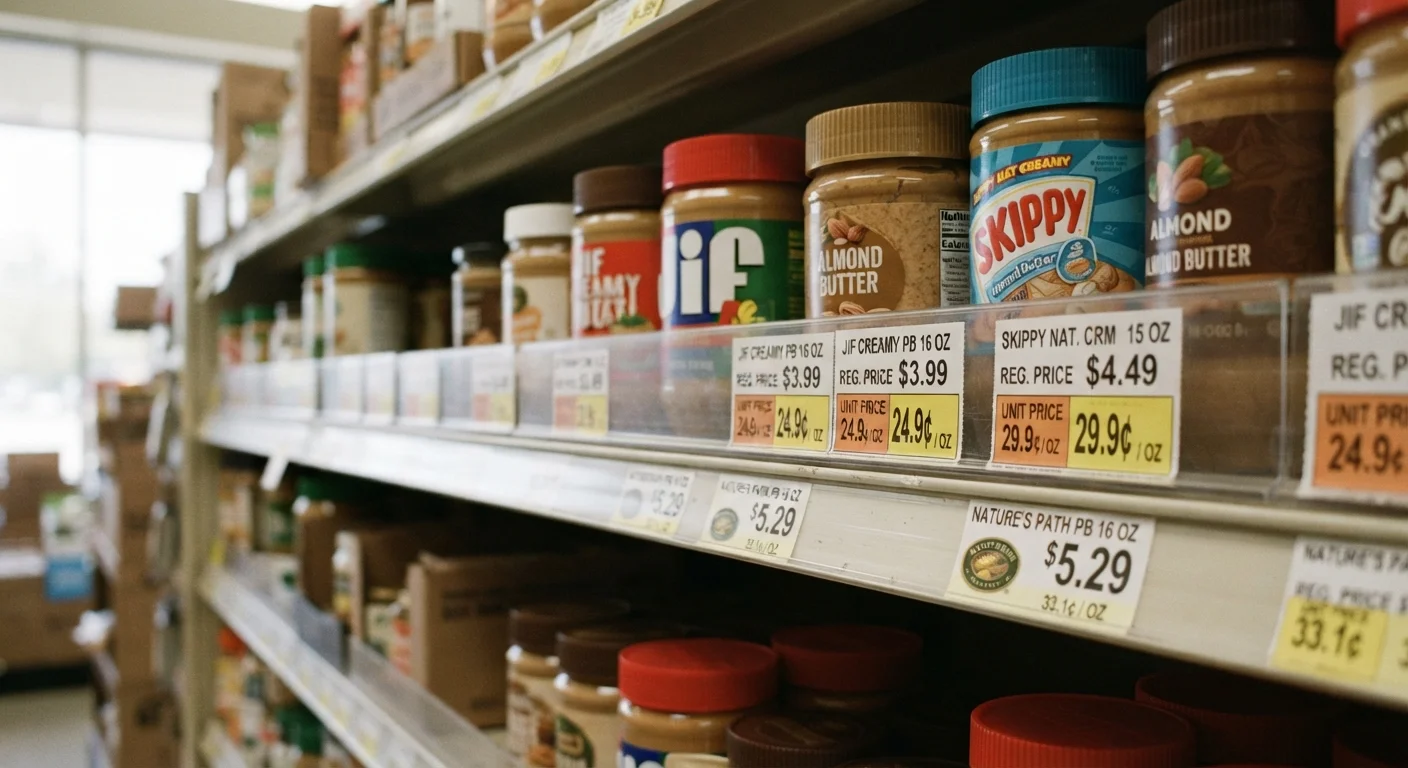
Understanding TCO doesn't require a spreadsheet or a finance degree. It just requires thinking past the checkout. And once you start doing it, it changes how you evaluate almost every significant purchase. See how unit pricing applies similar logic to comparing everyday grocery and household products.
~$12,000
Average annual cost to own and operate a vehicle
According to AAA's annual Your Driving Costs study, which includes fuel, maintenance, insurance, depreciation, and financing.
2-4×
Multiplier of sticker price over product lifetime
Consumer research consistently shows that lifetime operating costs for major appliances and electronics often exceed the purchase price by two to four times.
$1,000+
Estimated annual pet ownership costs (minimum)
ASPCA estimates put baseline annual costs for a dog or cat at over $1,000, excluding unexpected veterinary emergencies.
The Hidden Cost Categories Most Shoppers Miss
When people underestimate TCO, it's rarely because they ignored the obvious. It's because certain cost categories are easy to overlook at the point of purchase.
Consumables
These are supplies a product requires to function - ink cartridges, filters, blades, batteries, pods. A printer with a low sticker price may require expensive proprietary cartridges that cost more per page than a pricier model. The product itself becomes a recurring cost vehicle.
Maintenance and Servicing
Routine upkeep keeps products functioning and prevents larger failures. A car needs oil changes, tire rotations, and brake inspections. An HVAC unit needs filter replacements and annual servicing. Skipping maintenance often leads to premature failure - which trades a modest recurring cost for a large unexpected one.
Repairs and Unexpected Failures
Even well-maintained products break. Repair costs vary widely based on parts availability, brand policies, and whether a product is designed to be fixed or replaced. This is where the repairability of a product - how easy and affordable it is to fix - becomes a real financial factor, not just an environmental one.
Energy and Operating Costs
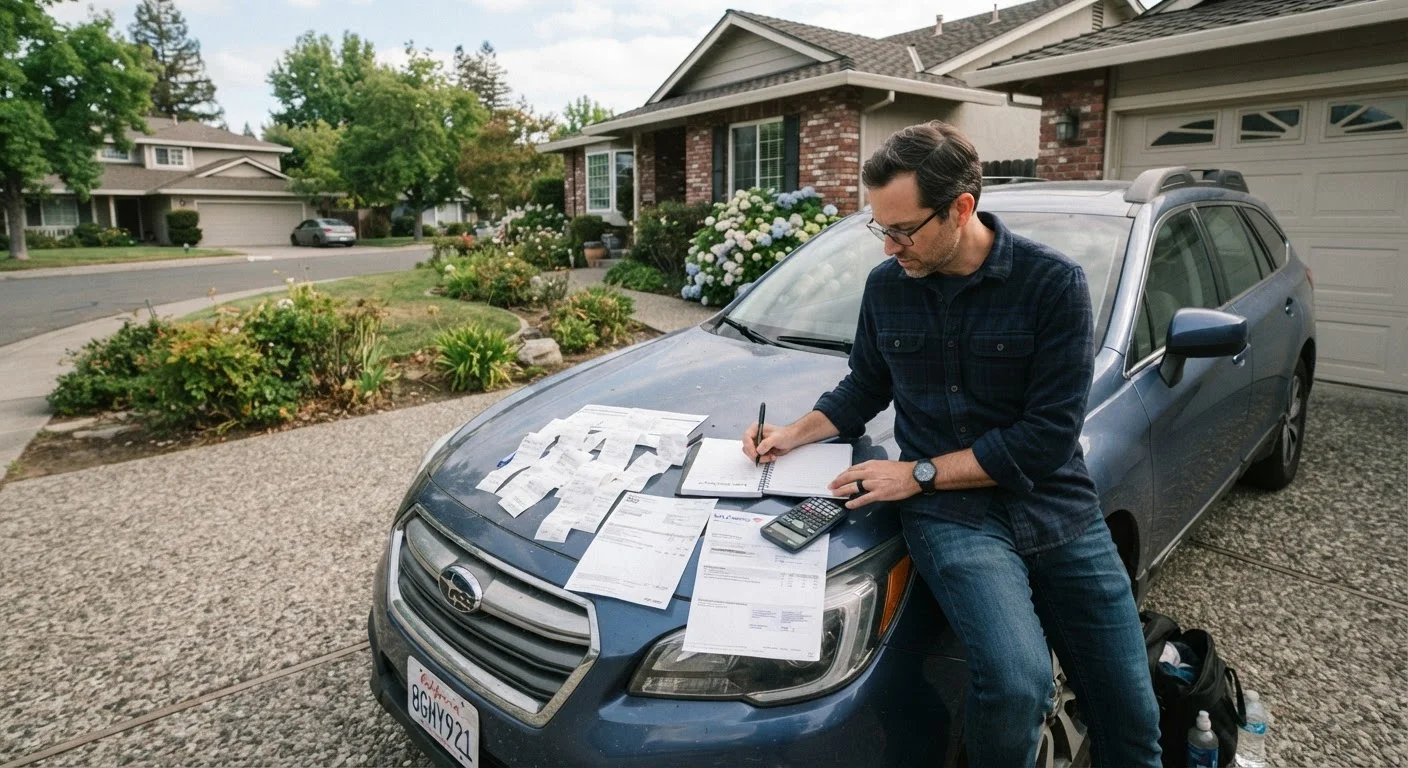
Appliances, vehicles, and electronics all consume resources. An energy-efficient refrigerator costs less to run each month than an older, inefficient model - and over ten years, that difference compounds significantly. Fuel economy matters for the same reason. Car ownership costs extend well beyond the lot price for exactly this reason.
Check Consumable Costs Before You Commit
Before buying any product that requires ongoing supplies - ink, filters, pods, blades - look up the annual cost of those consumables and multiply by your expected ownership period. This single step is often enough to reveal that a 'cheaper' product is actually the more expensive choice over time.
How to Apply TCO Thinking Before You Buy
You don't need a precise figure to make TCO work for you - a rough estimate is often enough to shift the comparison.
Step 1: Estimate the lifespan. How long should this product realistically last? Check manufacturer specs, consumer reviews, and reliability data for context.
Step 2: Identify recurring costs. What does this product require to keep running? Consumables, scheduled maintenance, and likely repairs all count.
Step 3: Calculate cost per year. Add purchase price and total estimated ongoing costs, then divide by expected years of use. This single number makes wildly different products directly comparable.
Step 4: Factor in efficiency. If the product uses energy, water, or fuel, estimate annual operating costs and include them.
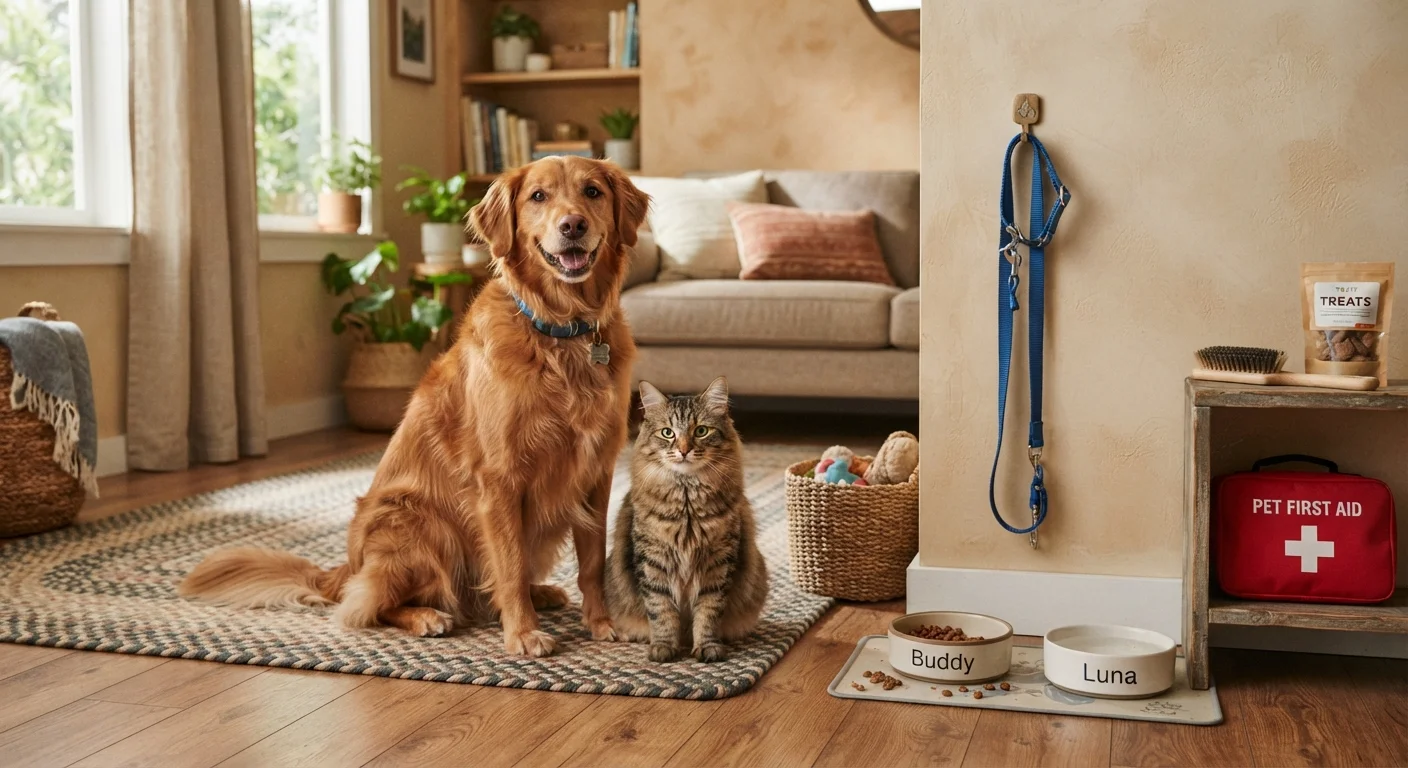
This approach applies just as well to big-ticket items as everyday ones. For example, pet ownership costs follow the same structure - an adoption fee is just the entry point to years of food, veterinary care, and supplies.
When Paying More Upfront Actually Costs Less
TCO analysis regularly reveals that the cheaper product isn't the economical one. A budget appliance that lasts four years may cost more per year than a well-built alternative lasting twelve - even after accounting for the higher initial price.
This is especially true when low-cost products rely on expensive consumables, require frequent repairs, or carry short warranties. Sale pricing can make lower-quality products look attractive in ways that obscure their true ongoing cost.
That said, paying more doesn't automatically guarantee lower TCO. Premium pricing sometimes reflects branding, aesthetics, or features that don't meaningfully extend useful life. The goal is to assess the value proposition honestly - not to assume that expensive equals economical.
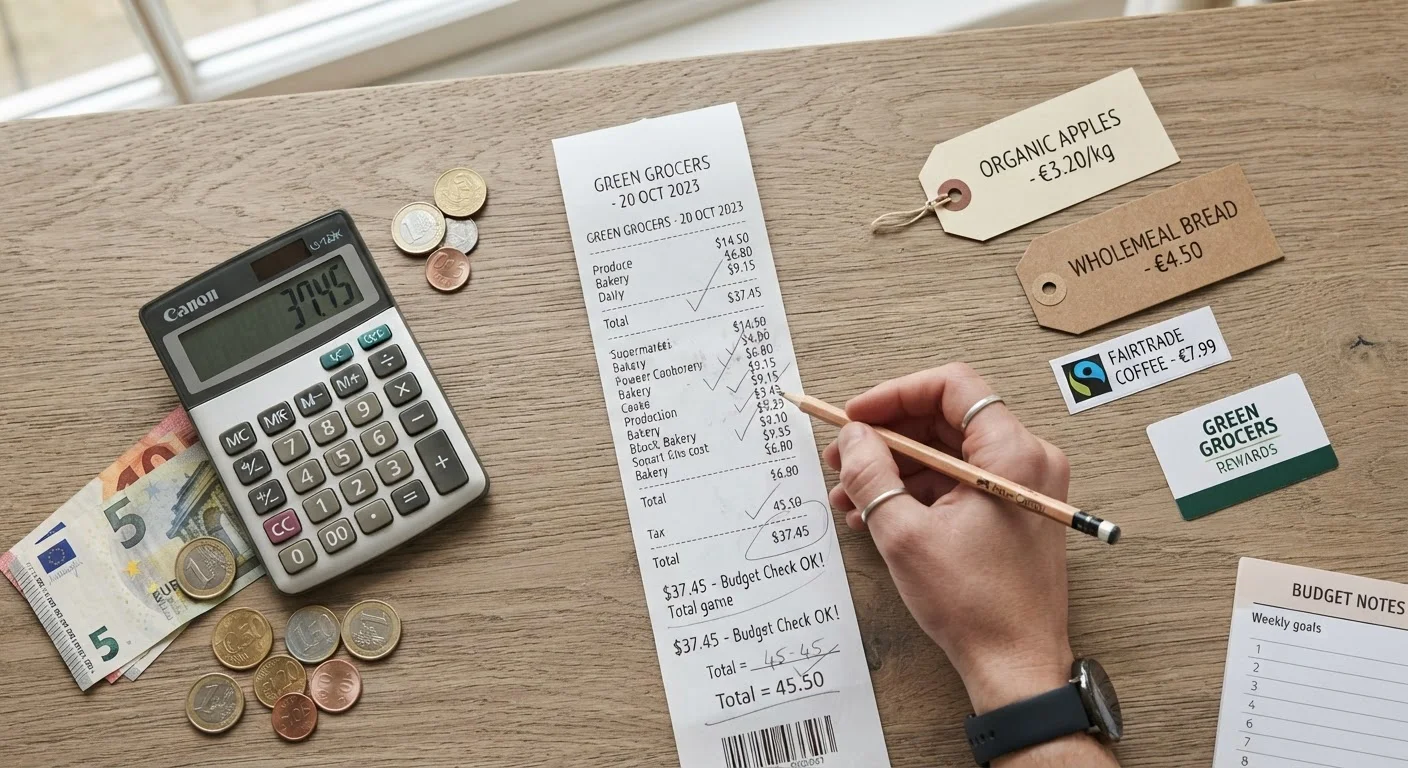
For purchases that involve significant recurring costs, like vehicles, pets, or major appliances, a budgeting framework that accounts for ongoing expenses is essential for realistic financial planning.
“The bitterness of poor quality remains long after the sweetness of low price is forgotten.”
— Benjamin Franklin, Founding Father and author of Poor Richard's Almanack, frequently cited in consumer value discussions