The Manufacturing Reality Behind the Label
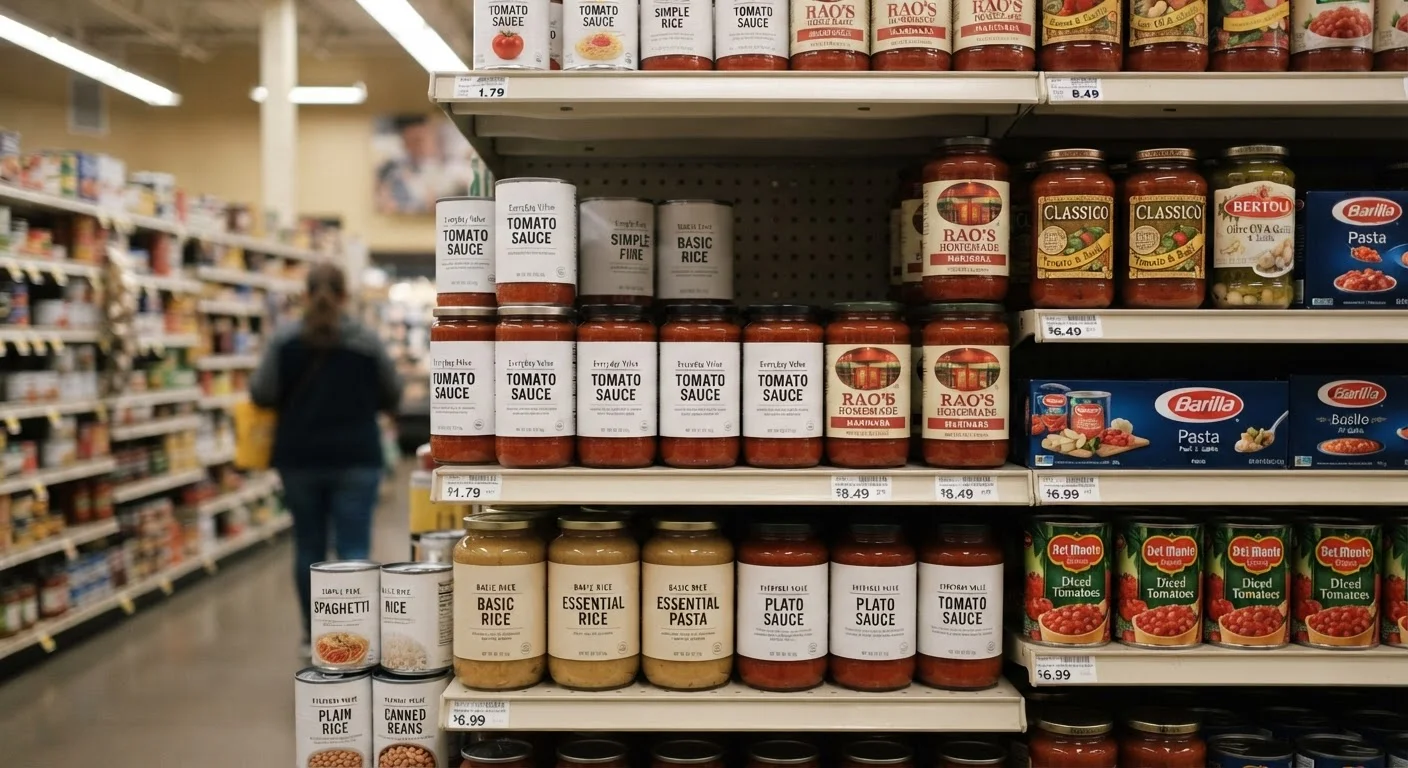
One of the most persistent myths in retail is that store brands are an inferior, entirely separate product line. The reality is more complicated - and more interesting. A significant share of private-label products are produced by the same manufacturers that supply national brands. A food company might run name-brand soup on one shift and a retailer's store-brand version on the next, using near-identical recipes.
This practice is documented in industry trade literature and has been confirmed through regulatory supply-chain disclosures. It's most common in categories like dairy, canned goods, bottled water, over-the-counter medications, and household cleaning products. The formulation may be slightly adjusted - a different seasoning blend, a minor ingredient swap - but the core product is often equivalent.
That said, co-manufacturing is not universal. Some name brands maintain proprietary production processes, trade-secret formulations, or tightly controlled ingredient sourcing that genuinely distinguish them. The honest answer is: it depends on the category and the retailer. Evaluating product quality independently - by examining materials, construction, and ingredient lists - is more reliable than trusting brand recognition alone.
Where the Research Shows Store Brands Hold Up
Academic and consumer research offers a reasonably consistent picture across several product categories.
| Criterion | Store Brands | Name Brands |
|---|---|---|
| Average price | 20-50% lower in most categories | Higher, reflecting marketing spend |
| OTC medication equivalence | FDA-mandated same active ingredients | Same active ingredients; brand name only |
| Manufacturing source | Often same facilities as name brands | Proprietary in some categories |
| Flavor consistency (snacks/beverages) | Varies; sometimes weaker in taste tests | Generally stronger consumer preference |
| Electronics safety certification | Less consistent; verify independently | More traceable accountability |
| Grocery staples quality | Comparable in most comparisons | Minimal edge in commodity categories |
| Packaging and marketing investment | Minimal - cost savings passed to consumer | Significant - built into retail price |
Over-the-counter medications are among the clearest cases. The U.S. Food and Drug Administration requires that store-brand OTC drugs contain the same active ingredients at the same concentrations as their branded equivalents. Ibuprofen is ibuprofen, regardless of whose name is on the bottle. Inactive ingredients - binders, fillers, coatings - can differ, which occasionally matters for people with specific sensitivities, so label-reading remains important.
Grocery staples - canned tomatoes, dried beans, flour, sugar, frozen vegetables - show minimal quality variation in most independent comparisons. These are commodity products with little room for meaningful differentiation.
Cleaning and household products often follow a similar pattern. Bleach concentration, detergent surfactant levels, and disinfectant active ingredients are regulated or standardized enough that store-brand versions frequently match name-brand performance in controlled tests.
Where Name Brands Still Have an Edge
Store brands don't uniformly match national brands across all categories. A few areas where differences tend to be more meaningful:
- Snack foods and beverages: Flavor is subjective, but consumer taste panels frequently show stronger preference for name-brand chips, sodas, and condiments - categories where proprietary flavor systems matter.
- Electronics and appliances: Component quality, safety certification rigor, and after-sale support are harder to assess without brand accountability. This is a category where cutting costs carries more tangible risk.
- Personal care products: Formulation complexity in skincare, haircare, and cosmetics can vary considerably. Active ingredient concentration, delivery systems, and stability testing are areas where established brands sometimes invest more.
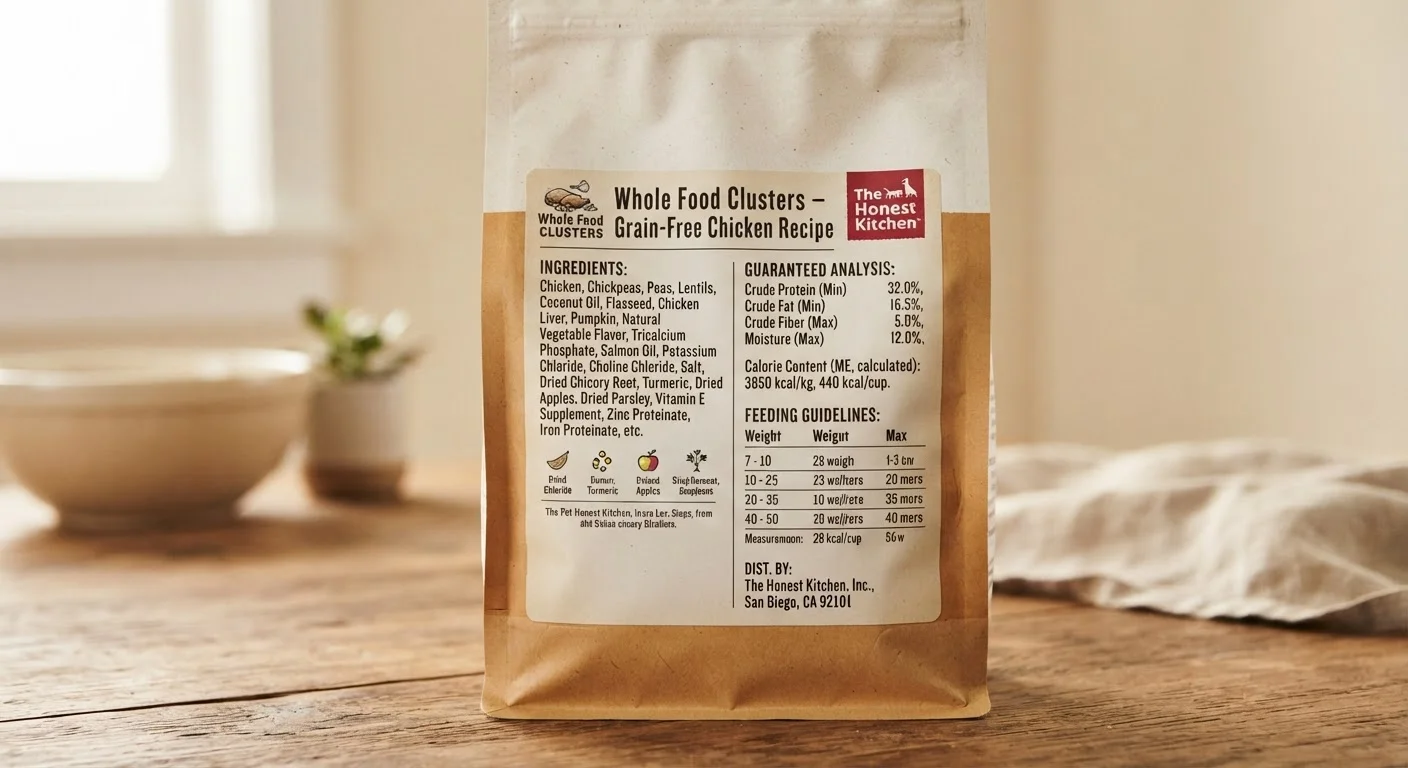
- Pet food: Ingredient sourcing, protein quality, and nutrient bioavailability vary widely. If you're navigating pet food labels, decoding pet nutrition labels can help you look past marketing and assess what's actually in the product.
A Note on 'Premium' Store Brand Tiers
Many major retailers now operate multiple store-brand tiers - a value line, a standard line, and a premium or 'artisan' line. These premium private-label products are marketed differently and priced closer to national brands. The quality and sourcing claims for these tiers vary; the same label-reading and ingredient-comparison approach applies regardless of whether the product is positioned as budget or premium.
The price premium for name brands - which can range from 20% to over 50% in some categories - largely reflects marketing, packaging, and distribution costs rather than production differences. That premium isn't always unjustified, but understanding what you're actually paying for puts the decision in your hands.
How to Make the Call at the Shelf
A practical framework cuts through the brand noise:
- Compare ingredient lists and active ingredients first. For food and OTC products, this is the most direct quality signal available to you.
- Check for third-party certifications. NSF, USP, or USDA Organic marks apply to the product itself, not the brand name on the label.
- Understand return policies before experimenting. Trying a store-brand alternative is low-risk when returns are straightforward. Understanding retailer return policies can help you know your options before committing.
- Treat category context as the deciding variable. The store-brand vs. name-brand calculation isn't the same for pasta and for power tools. Apply more scrutiny in categories with safety, health, or durability stakes.
~25%
Average store-brand grocery market share in the U.S.
Private Label Manufacturers Association data indicates store brands consistently hold around a quarter of unit sales in U.S. grocery retail.
20-50%
Typical price gap between store and name brands
Consumer research organizations have documented this range across food, household, and health product categories in supermarket settings.
~70%
Shoppers who buy store brands regularly
Surveys by consumer research firms have found the majority of U.S. shoppers purchase private-label products at least occasionally across multiple categories.
Switching strategically - defaulting to store brands on staples, then spending up only where category evidence or personal experience justifies it - reflects how many value-focused shoppers actually approach the question. It's less about brand loyalty in either direction and more about applied skepticism. For a broader look at how channel choice affects these trade-offs, comparing online vs. in-store shopping adds another useful layer of context.