
Why You Can't Outsource Quality Judgment to Reviews
Star ratings and written reviews feel like crowd-sourced quality control, but the system has well-documented vulnerabilities. Incentivized reviews, review farms, and listing hijacking - where a high-rated listing is swapped for a different product - have been flagged by consumer advocates and regulators alike. Even genuine reviews reflect individual experience, not standardized testing: a reviewer who kept a product for two weeks can't tell you how it holds up over two years.
Reviews Can Be Systematically Gamed
Incentivized reviews, review hijacking, and fake ratings are documented problems on major retail platforms. The U.S. Federal Trade Commission has taken enforcement action against deceptive review practices. Treat star ratings as one weak data point, not a verdict on quality. The steps below give you more durable information.
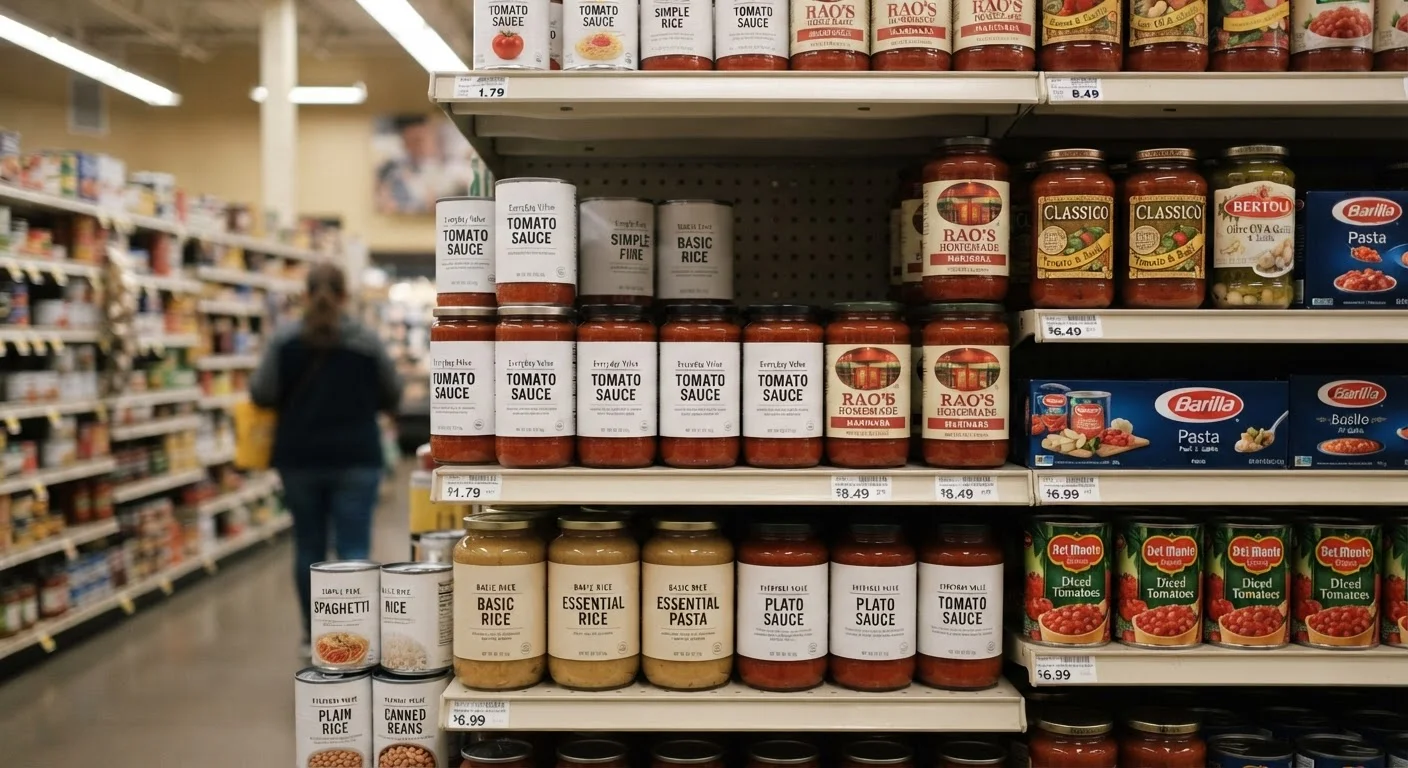
The alternative isn't ignoring social proof entirely - it's building your own evaluation framework so you're not dependent on it. Research on store brands versus name brands illustrates exactly this point: brand reputation and packaging often drive perception of quality more than actual material differences.
What to Inspect and Where to Look
Quality evaluation is a skill that gets faster with practice. The steps below are ordered roughly from quickest to most involved, so you can do a basic pass in under five minutes and go deeper when the purchase warrants it.
What you will need
Fiber/material content label
Tells you exactly what a product is made from - required by law on textiles - so you can assess durability and care requirements.
Magnifying glass or phone camera zoom
Reveals stitch density, weave tightness, and surface finish details invisible to the naked eye.
SaferProducts.gov / CPSC database
Allows you to check whether a product category or specific item has safety complaints or recalls on record.
ASTM/ISO certification documentation
Confirms a product has been tested against an independent industry standard for performance or safety.
Read the materials label or spec sheet first
Before anything else, find the mandatory content or materials label. For textiles, U.S. law requires fiber content disclosure - a garment labeled '100% cotton' versus '60% polyester/40% cotton' tells you meaningful things about breathability, durability, and how it ages. For hard goods, look for the product spec sheet: gauge (thickness) of metal, grade of plastic (ABS vs. generic), or wood species and construction method (solid versus engineered versus particleboard).
Generic or vague material descriptions - 'metal,' 'fabric,' 'wood' - are a signal to dig further before committing.
Inspect construction details directly
When you can handle the item - in a store or upon delivery before removing tags - run through a basic physical checklist. For apparel: check stitch density (more stitches per inch generally means greater durability), seam allowance width, and whether seams are finished or raw. For furniture or hard goods: look for dovetail or mortise-and-tenon joinery versus staples or glue alone. Check that hardware sits flush, drawers slide without wobbling, and surfaces have consistent finish without air bubbles or uneven texture.
Shopping in-store gives you this tactile access by default; buying online means doing this inspection after delivery, so know the return policy before you order.
Look for recognized third-party certifications
Independent certification bodies test products against published standards. For textiles, OEKO-TEX Standard 100 certifies that fabrics have been tested for harmful substances. For electronics, UL (Underwriters Laboratories) listing indicates safety testing. For wood products, FSC certification addresses sourcing, while CARB Phase 2 compliance sets limits on formaldehyde emissions in composite wood. These marks involve actual third-party audits - they carry more weight than self-declared quality claims.
Be aware that certification scope varies. A safety certification doesn't speak to durability, and a sustainability mark doesn't guarantee performance. Use them as one layer of evidence, not a complete verdict.
Check recall and safety complaint records
The CPSC's SaferProducts.gov database aggregates consumer safety incident reports and recall notices. Search by product type or brand to see whether a category has a pattern of complaints. This doesn't predict individual product performance, but patterns of repeated failure reports on a specific line are meaningful data.
[tip_callout]Evaluate repairability and longevity signals
A product that can be repaired or have parts replaced extends its useful life - which is itself a quality indicator. Check whether replacement parts are available and reasonably priced. For appliances and electronics, look for whether the manufacturer publishes service documentation or supports repair. Products designed to be disposable rather than repairable often reflect a cost-cutting approach that affects overall build quality.
This connects to long-term value. A structured approach to smarter spending includes factoring cost-per-use into purchase decisions, not just sticker price.
Marketing Claims Are Not Quality Guarantees
Terms like 'premium,' 'professional grade,' and 'luxury' are unregulated marketing language with no standardized meaning. Focus on verifiable specs - fiber content, gauge, certifications, and material weight - rather than subjective descriptors on product pages.