How Each Approach Actually Works
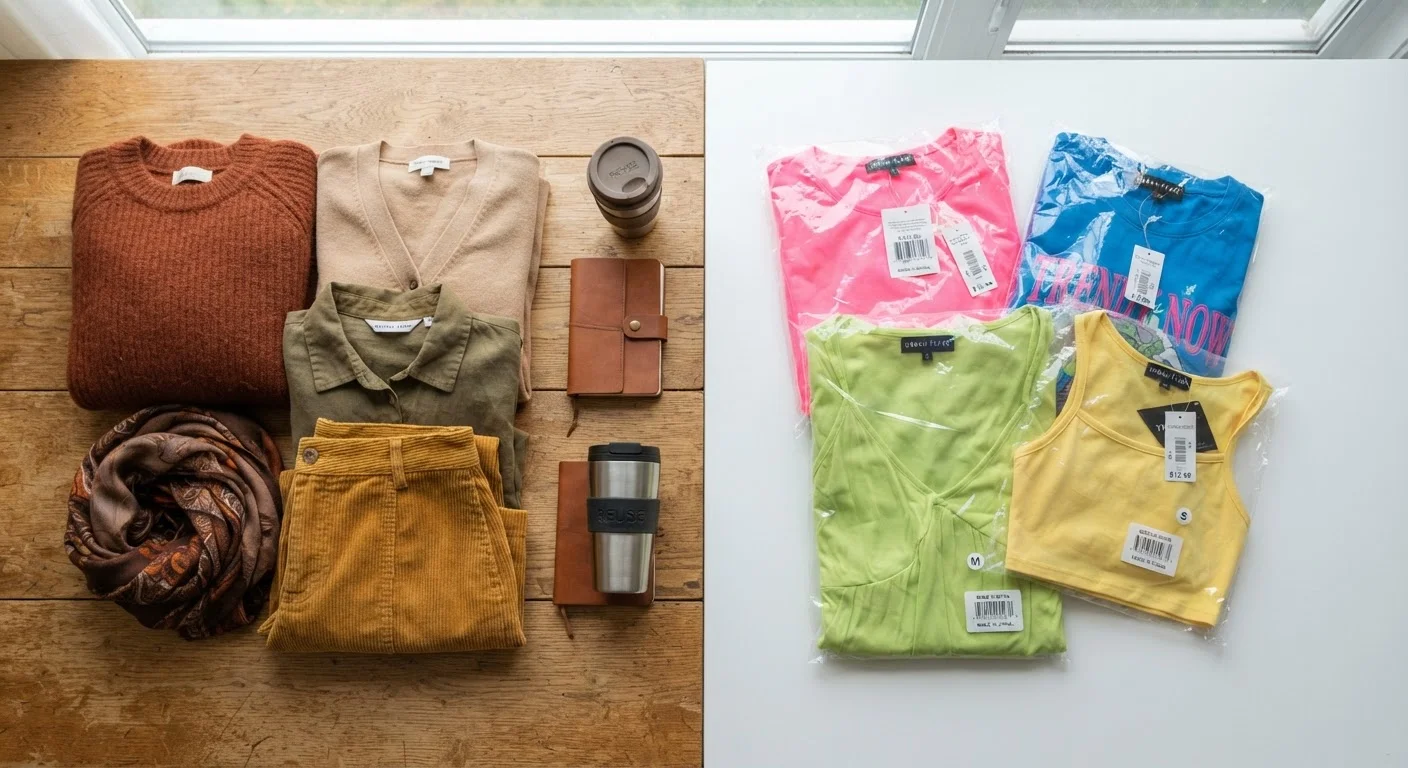
Fast fashion refers to clothing produced quickly and inexpensively to reflect current trends - think items priced low enough to feel disposable. You browse a store or website, find what you need in your size, and check out. The process is fast and predictable.
Secondhand shopping means buying previously owned clothing through thrift stores, consignment shops, resale apps, or estate sales. Inventory is unpredictable, sizing varies, and finding something specific can take multiple visits or searches. But the range of quality - and price - is wide.
Understanding how these models differ in practice helps you apply them strategically. If you're thinking about how purchase decisions layer into broader spending habits, building a smarter shopping habit covers that framework in depth.
The Real Cost Comparison
Sticker price tells only part of the story. A $12 fast fashion top that falls apart after eight washes costs more per wear than a $20 secondhand blouse made from heavier fabric that holds up for years. Total cost of ownership - accounting for how long something actually lasts - is a more honest metric than purchase price alone.
~$18
Average cost per wear: fast fashion vs. secondhand
Industry analyses suggest the average American spends significantly more per garment annually when replacing low-durability items frequently versus maintaining fewer, longer-lasting pieces.
2-3x
Lifespan difference between durable and disposable garments
Research from the Ellen MacArthur Foundation has suggested that doubling the number of times a garment is worn before disposal can substantially reduce its environmental impact.
That said, secondhand shopping isn't always cheaper. Vintage or designer resale items can carry significant markups, and consignment platforms sometimes price items close to retail. The deal-finding potential is real, but it isn't guaranteed.
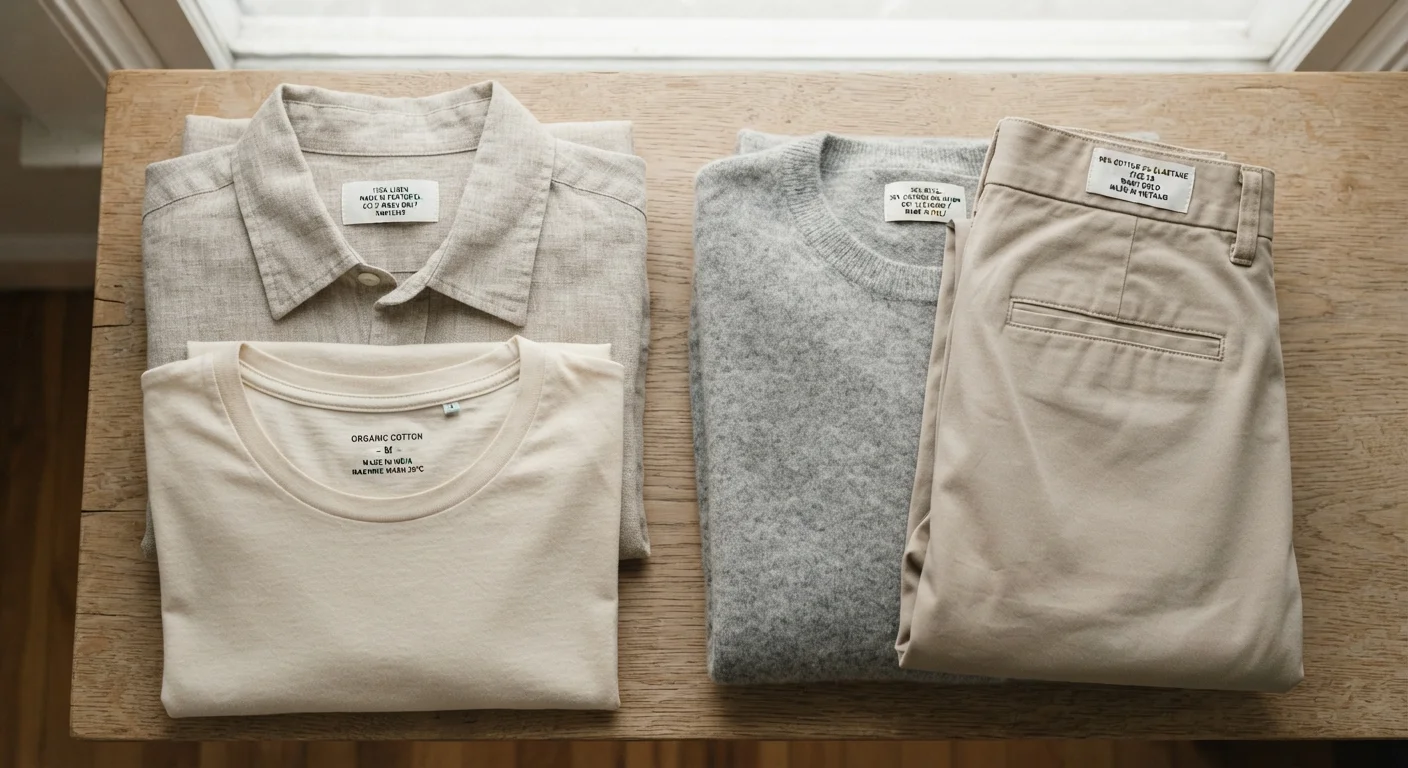
Fabric quality is a useful proxy for durability. Understanding fabric labels can help you assess whether a piece - new or used - is likely to last before you buy.
Pros and Cons at a Glance
Both paths have genuine strengths and real drawbacks. The following breakdown covers the most consequential trade-offs for everyday shoppers.
Secondhand can yield better quality at lower prices
Older garments from established brands were often made with heavier fabrics and more durable construction than current equivalents. Finding them used can mean paying less for something that outlasts a new fast fashion alternative.
Fast fashion is fast - selection and sizing are predictable
When you need a specific item quickly, fast fashion delivers. Standardized sizing, consistent stock, and easy returns reduce the friction of shopping significantly.
Secondhand extends garment lifespan
Buying used gives an existing item more use before it reaches a landfill, which is generally a net positive compared to buying new for the same need.
Fast fashion allows low-commitment trend experimentation
If you want to try a style you're unsure about, a low-priced fast fashion piece limits your financial exposure if it doesn't work for you.
Secondhand shopping supports budget flexibility
For shoppers tracking their spending carefully, thrift and resale channels can stretch clothing budgets - particularly for categories like workwear, outerwear, or denim.
Secondhand requires significant time and effort
Finding the right piece in the right size and condition can take multiple shopping trips or extensive app browsing. The process rewards patience, but it isn't efficient.
Fast fashion items often wear out quickly
Thin fabrics, weak seams, and rushed construction mean many fast fashion pieces don't hold up past a season of regular wear, driving more frequent replacement.
Secondhand quality is unpredictable
Not everything in a thrift store is a hidden gem. Items may have undisclosed damage, fading, odor, or wear that isn't obvious until you get them home.
Fast fashion accumulates hidden costs over time
Replacing low-durability items repeatedly can cost more in total than a single higher-quality purchase - a pattern that's easy to miss when each transaction feels cheap.
Secondhand sizing and availability are inconsistent
Vintage and used clothing sizing varies by era and brand, and you can't guarantee finding what you need when you need it, especially in specific sizes.
Fast fashion contributes to higher textile waste
The high-volume, low-cost production model is associated with shorter garment lifespans and more frequent disposal, adding to overall textile waste levels.
For shoppers who enjoy the process of building a wardrobe intentionally, personal style discovery offers approaches that hold up better than trend-chasing regardless of where you shop.
Environmental and Ethical Dimensions
Fast fashion's environmental footprint is well-documented - high production volume, synthetic fibers, and short garment lifespans contribute to textile waste. Estimates vary on the precise scale, but the general direction of the evidence is consistent: more clothes made cheaply means more clothes discarded quickly.
Textile Waste by the Numbers
The U.S. Environmental Protection Agency estimates that Americans generate millions of tons of textile waste annually, with a significant share going to landfills rather than donation or recycling. These figures reflect both new and used clothing that reaches end of life. Extending a garment's useful life - whether through secondhand purchase, repair, or resale - is one of the more straightforward ways individual consumers can influence that number, though systemic change at the production level has a larger overall effect.
Secondhand shopping extends a garment's useful life, which does reduce the demand signal for new production. But it doesn't eliminate environmental costs - shipping, packaging for online resale, and the energy used in resale operations all add up. The environmental case for secondhand is meaningful but not absolute.
For shoppers weighing values alongside price, these considerations are worth factoring in - but they should be considered alongside quality and practicality, not as standalone justifications for either approach.