Why Fabric Content Labels Matter
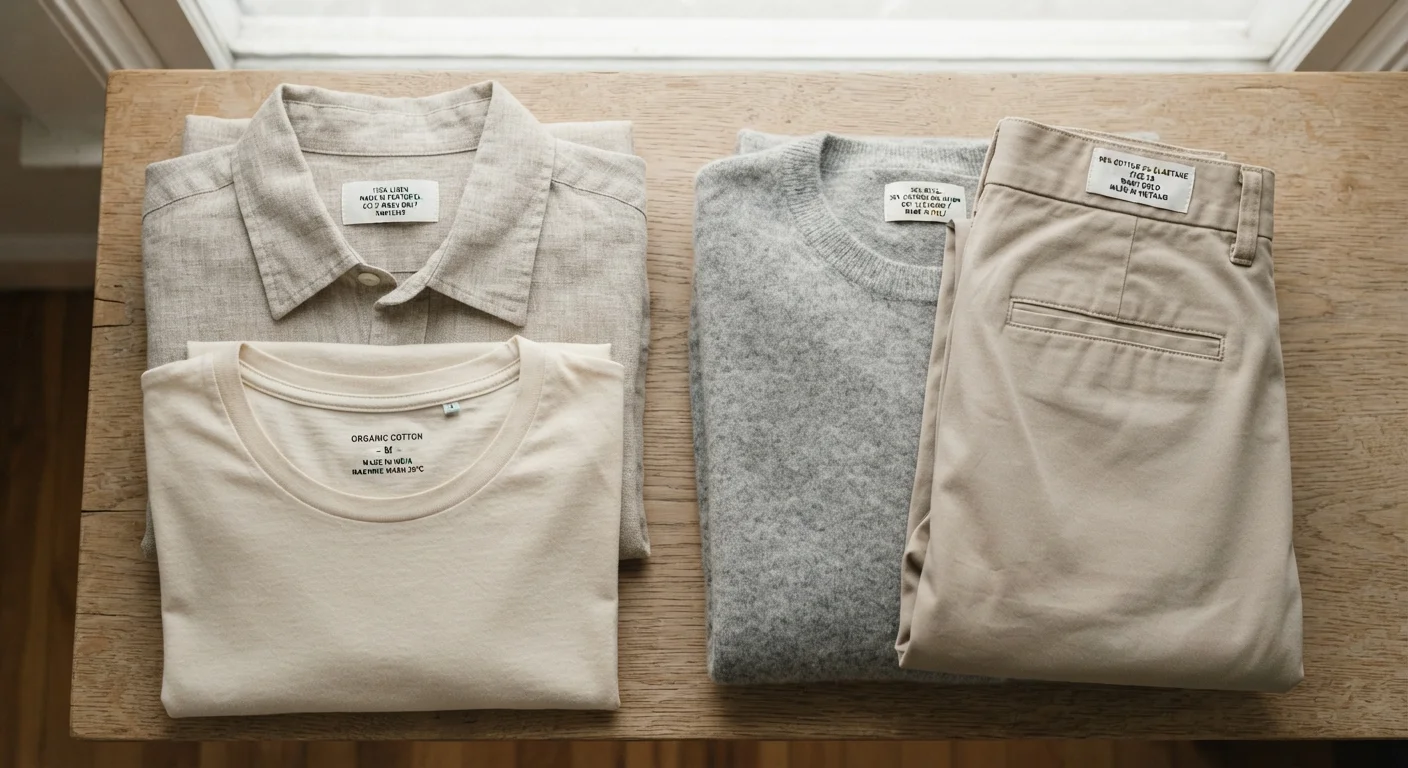
That small sewn-in tag is easy to ignore - but the fabric composition it lists determines how a garment breathes, how it must be washed, and how long it will hold its shape. Understanding what those fiber names actually mean in practice helps you shop more deliberately and care for clothes in ways that extend their useful life.
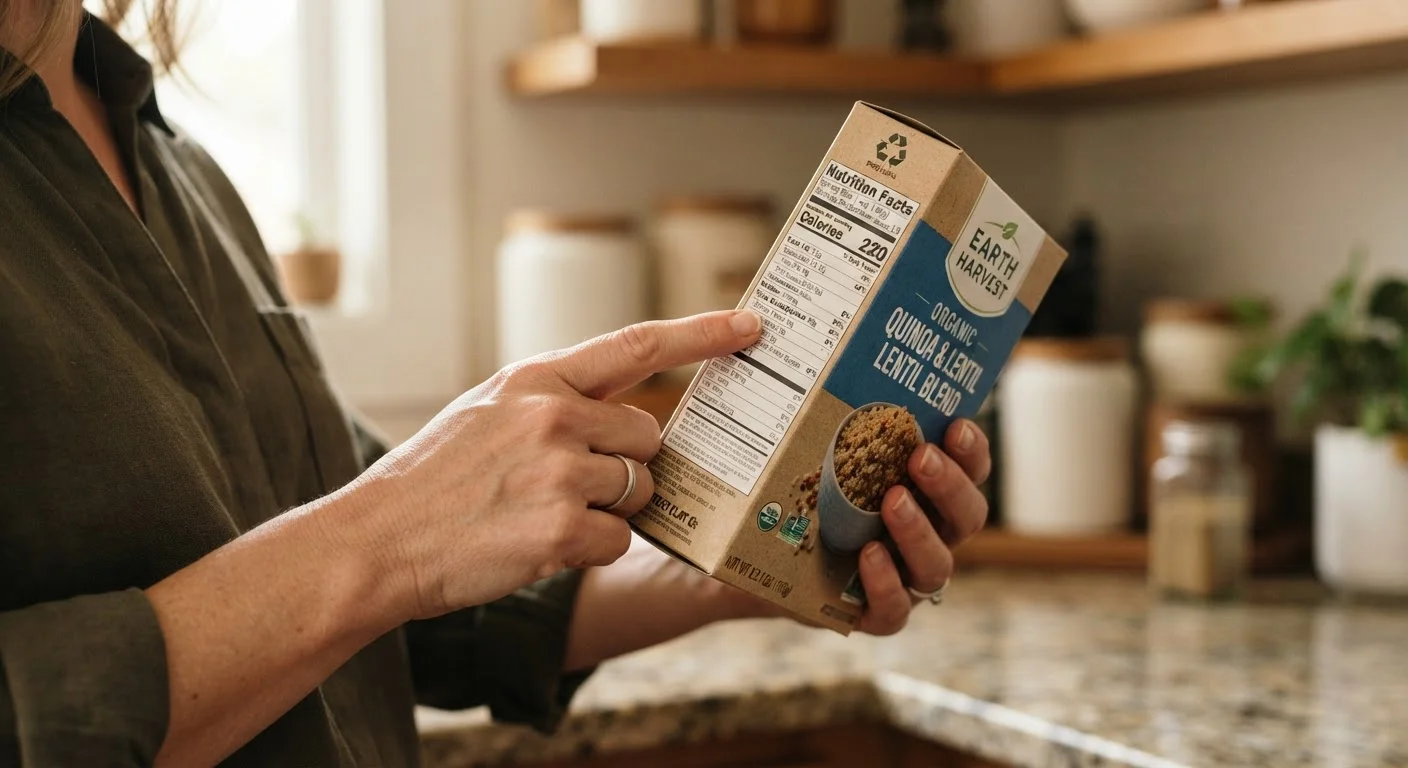
Just as reading a nutrition label can shift how you interpret what's in your food, reading a textile label shifts how you interact with what you wear. The same principle applies: knowing the terminology turns a confusing tag into a useful decision-making tool.
| Most common fiber in U.S. apparel | Polyester (Textile Exchange Preferred Fiber & Materials Report) |
| Cotton shrinkage risk | Up to 5% in first hot wash (General textile industry guidance) |
| Spandex typical blend percentage | 2-5% for stretch garments (Standard apparel manufacturing practice) |
| Linen durability | One of the strongest natural fibers when dry (Textile Science textbooks, general consensus) |
| Care label standard in the U.S. | Required by FTC on most textile garments (U.S. Federal Trade Commission Care Labeling Rule) |
Common Fibers: What They Mean in Everyday Wear
Most garments are made from a small set of natural and synthetic fibers, often blended. Here's how the most common ones perform:
- Cotton: Breathable, soft, and moisture-absorbent - a strong choice for warm weather and skin-sensitive wearers. Prone to shrinking in hot water and slow to dry when wet.
- Polyester: Durable, wrinkle-resistant, and quick-drying. Holds color well but traps heat and can feel less breathable in humid conditions. Pills over time with friction.
- Rayon (viscose): Made from processed plant cellulose; lightweight and drapey with a silky feel. Prone to shrinking and stretching when wet - hand wash or dry clean is common. Less durable than cotton.
- Linen: Highly breathable and strong; ideal for warm climates. Wrinkles easily and can feel stiff when new, but softens with washing. Dries quickly.
- Wool: Naturally temperature-regulating and moisture-wicking. Requires careful washing to avoid felting (irreversible shrinkage). Resists odors and holds structure well.
- Spandex/Elastane: Almost always blended with other fibers at small percentages (2-5%) to add stretch and recovery. Degrades with high heat - avoid hot dryers.
- Nylon: Lightweight, abrasion-resistant, and strong. Used in activewear and outerwear. Susceptible to damage from prolonged sun exposure.
Natural fiber
Fiber derived from plants (cotton, linen) or animals (wool, silk). Generally breathable and biodegradable, though care requirements vary widely by fiber type.
Synthetic fiber
Fiber manufactured from petroleum-based polymers, such as polyester, nylon, and acrylic. Typically durable and moisture-resistant, but less breathable than most natural fibers.
Felting
An irreversible matting and shrinkage that occurs in wool and other animal fibers when exposed to heat, agitation, and moisture together. Prevented by cold-water gentle washing.
Pilling
Small balls of tangled fiber that form on a fabric's surface through friction. More common in synthetic blends; indicates surface wear but not necessarily structural failure.
Viscose / Rayon
A semi-synthetic fiber made by chemically processing plant cellulose. Lightweight and smooth-feeling, but significantly weakened when wet and prone to shrinkage without careful washing.
Moisture-wicking
A fabric's ability to pull perspiration away from skin and move it toward the outer surface to evaporate. Common in athletic synthetics and merino wool.
Blends, Care Symbols, and Practical Trade-Offs
Fabric blends - such as a cotton-polyester mix - are designed to capture benefits from both fibers. A 60/40 cotton-poly shirt, for example, breathes better than pure polyester but wrinkles less than pure cotton and dries faster. Blends are common because they reduce manufacturing costs and can improve wearability, but understanding the dominant fiber helps predict how the garment will behave.
Care symbols (the small icons on wash labels) are standardized internationally and tell you washing temperature limits, whether tumble drying is safe, and whether dry cleaning is required. A crossed-out triangle means no bleach; a circle means dry clean. Ignoring these instructions is the most common way garments shrink, stretch, or lose color prematurely.
When a Label Says 'Dry Clean Only'
This instruction is a manufacturer recommendation based on the fiber's vulnerability to water or agitation - not always a strict legal requirement. Rayon, silk, and structured wool garments are most commonly labeled this way. Some consumers hand-wash these items successfully with cold water and minimal agitation, but doing so carries a risk of damage. When in doubt, follow the label, especially for structured or expensive pieces.
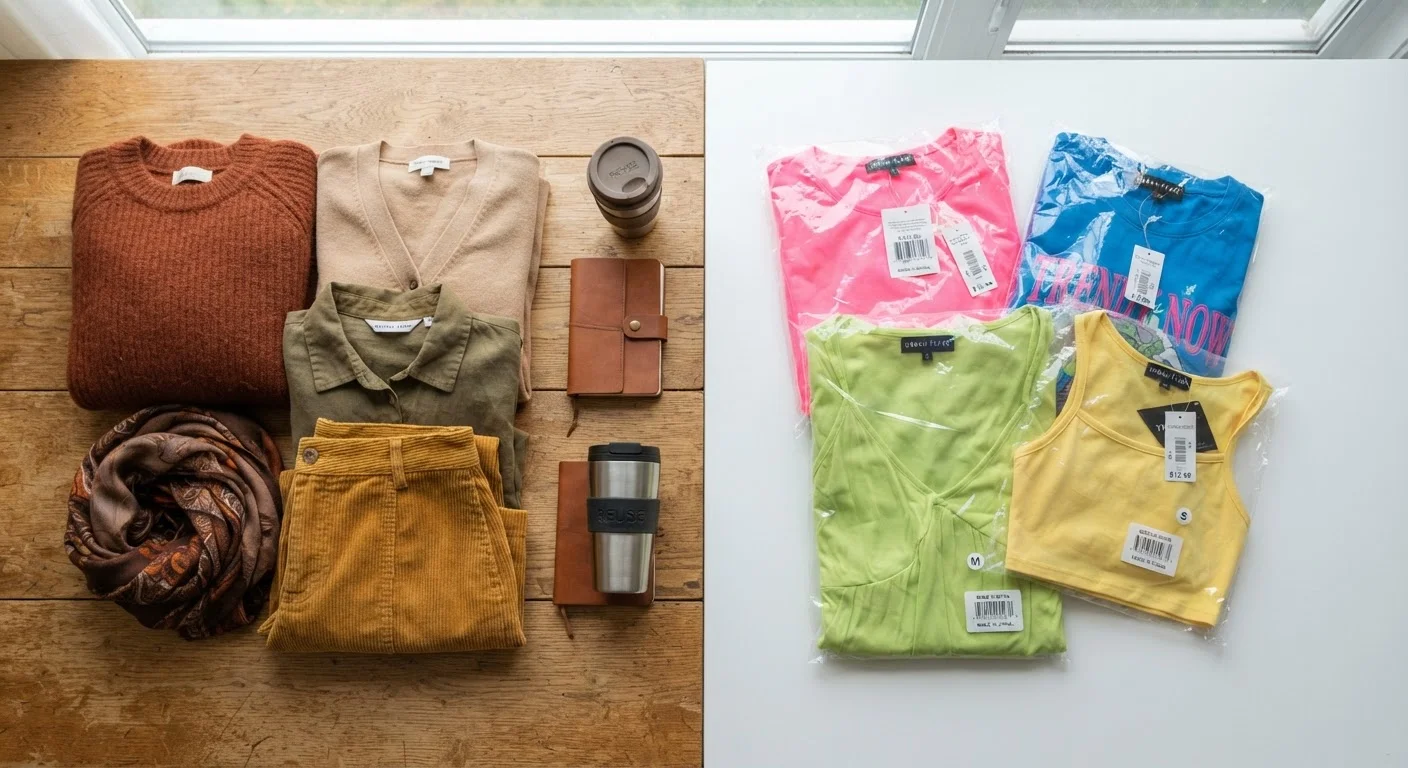
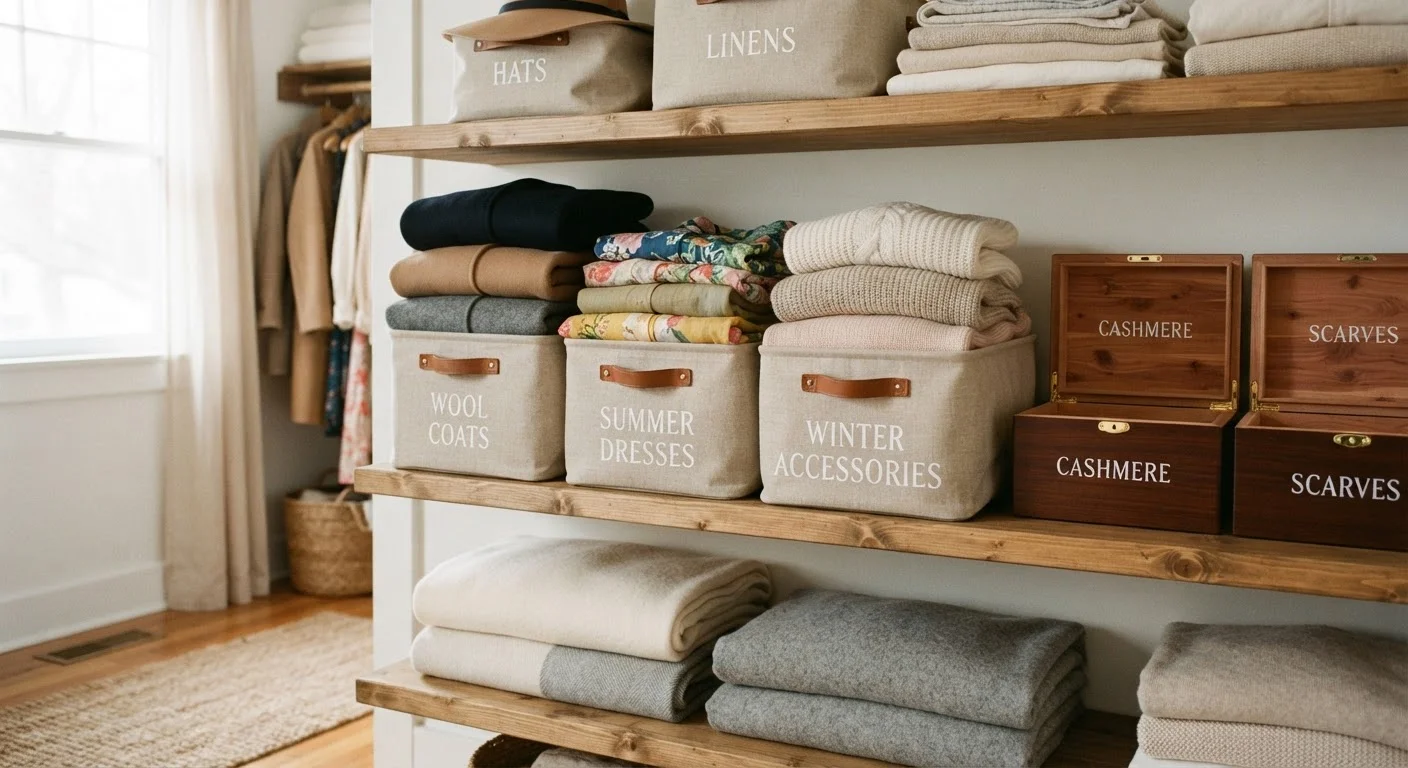
Fabric knowledge also pays off when considering a garment's long-term value. If you're weighing secondhand versus fast fashion, fiber content is one of the clearest signals of how a piece was constructed and how long it might last. And once you know what a fabric needs, proper seasonal storage becomes easier - see the season-by-season clothing storage checklist for a step-by-step approach.