Why Trend Chasing Leaves Most People Frustrated
Fashion trends move fast, and the promise is always the same: wear this season's pieces and you'll look pulled-together. In practice, most people end up with a closet full of clothes that don't reflect who they are - and nothing feels quite right to wear. The problem isn't their taste. It's the approach.
Trends are designed for mass appeal, not individual fit. They don't account for your job, your body, your daily routine, or what actually makes you feel confident. Building a style that holds up requires a different starting point: understanding yourself first, then filtering external ideas through that lens rather than the reverse.
This isn't about rejecting fashion entirely. It's about using it selectively - the same way a smarter shopping framework helps you spend intentionally instead of reactively.
Proven Approaches to Discovering Your Personal Style
The following practices are grounded in how people actually develop lasting style - through observation, iteration, and honest evaluation rather than one-time overhauls.
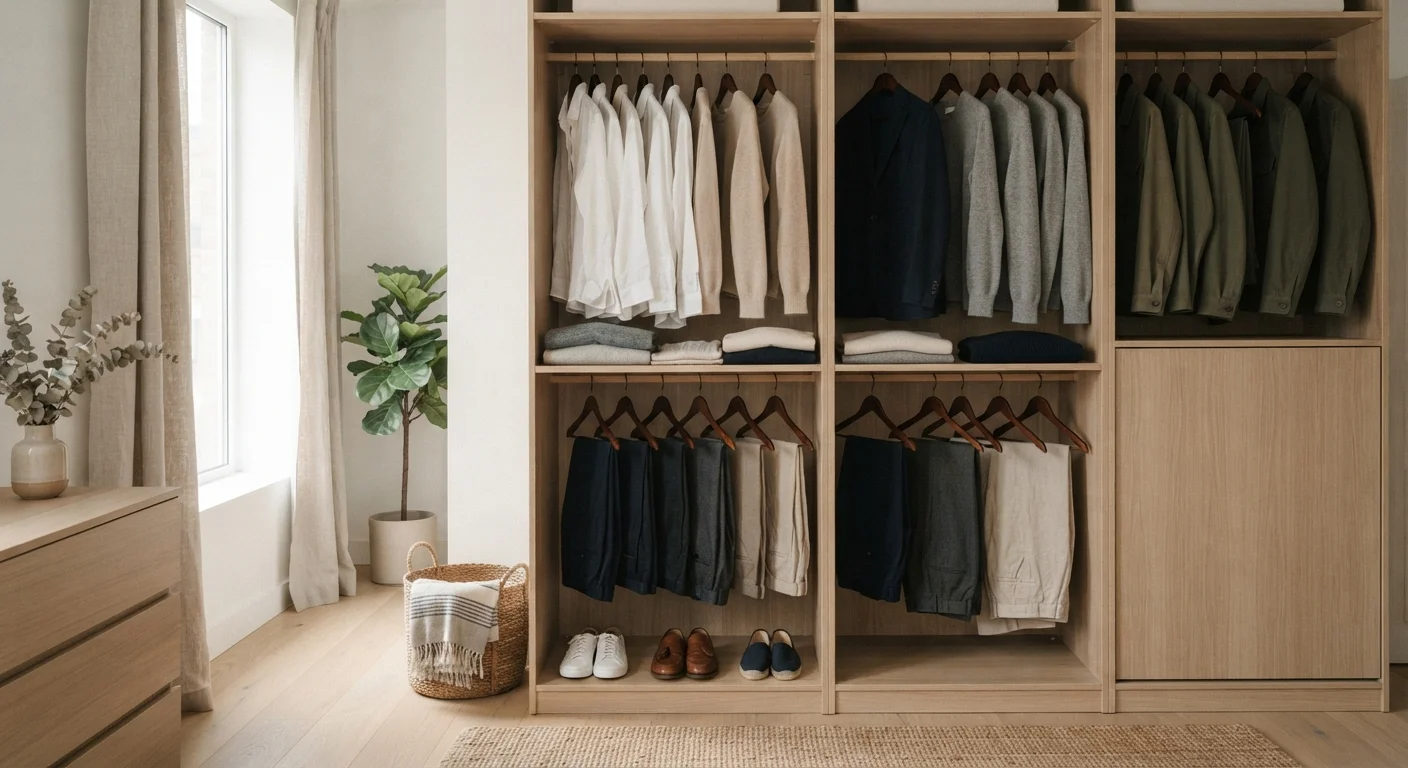
Audit your existing wardrobe before making any new purchases.
Most people already own pieces that reflect genuine preferences - they just haven't identified the pattern yet. An honest audit reveals what you actually reach for versus what sits ignored, which is more useful data than any style quiz. It also prevents duplicating mistakes when you do shop.
Define your lifestyle requirements before defining your aesthetic.
A style that doesn't fit your daily reality will never feel authentic, regardless of how much you admire it. If 80% of your week involves a physically active job or casual errands, a wardrobe built around structured blazers creates constant friction. Function has to be the foundation.
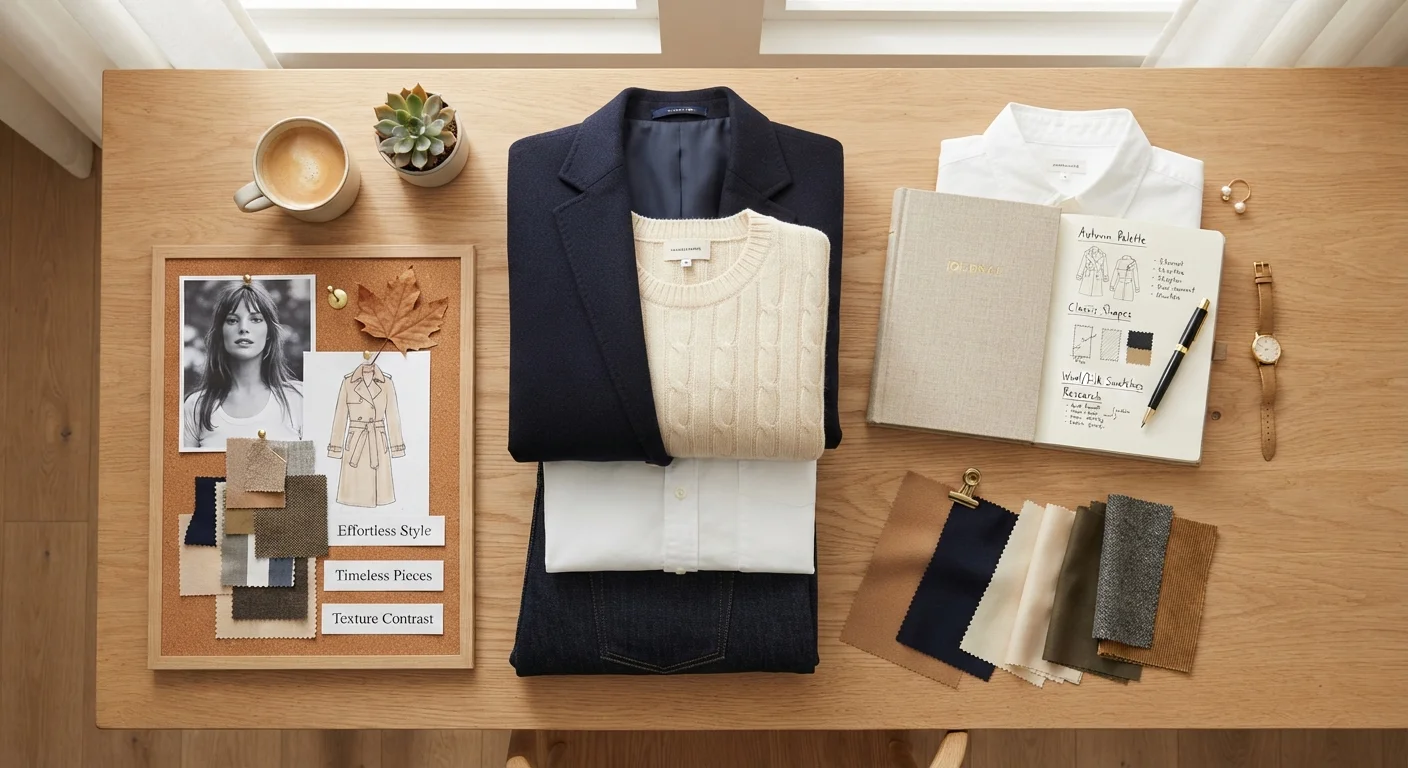
Build a reference collection of looks you're drawn to, then analyze the patterns.
Visual patterns in what you save or admire are more reliable signals than abstract descriptions of what you think your style 'should' be. Over time, a collection of saved images reveals recurring elements - specific color palettes, silhouettes, or levels of formality - that can guide intentional shopping. This is also a helpful filter when evaluating whether a potential purchase actually fits your direction.
Test new directions with lower-commitment pieces before investing heavily.
Committing significant money to an aesthetic you haven't lived in yet is one of the most common sources of wardrobe regret. Trying an unfamiliar direction at lower cost - through secondhand shopping, borrowing, or affordable basics - lets you evaluate how it actually feels to wear before scaling up. Secondhand shopping can be a practical tool here.
Set a consistent decision filter for every purchase.
Impulse purchases made outside a clear framework are the primary driver of closet clutter. A consistent set of questions - does this work with at least three things I own? does it fit my lifestyle contexts? am I buying it because I love it or because it's discounted? - replaces reactive decision-making with intentional choice. Over time, this reduces both wasted spending and post-purchase regret.
Once you've worked through these practices, you'll likely notice that your wardrobe decisions become faster and less stressful. That's the signal that a style framework is working.
Quick Ways to Start Right Now
You don't need a full wardrobe overhaul or a major shopping trip to begin. These actions work with what you already have.
Consistency Builds Style Faster Than Reinvention
Major overhauls can feel motivating but often reset you to square one. Incremental, consistent edits - adding one well-considered piece, removing one that doesn't fit - are more effective over time. The same principle applies across many self-improvement domains: see how consistency versus intensity plays out in health and habit-building for a useful parallel.
Putting It All Together
Style discovery is iterative. You won't land on a perfect formula in a weekend - and that's fine. What matters is building a feedback loop: wear things, notice what works, adjust. Over time, the pattern becomes clearer and decisions become easier.
If you want a practical next step, capsule wardrobe principles offer a concrete structure for organizing what you've discovered about your style. And if you're curious about how visual proportion plays into what looks intentional on you, understanding body proportion principles is a useful complement. The goal throughout is a wardrobe that serves your actual life - not an idealized version of it.
~80%
Clothes worn only 20% of the time
The 80/20 rule is frequently cited by wardrobe consultants to describe how most people wear a small fraction of what they own on a regular basis.
3-5x
More cost-per-wear efficiency from well-chosen basics
Consumer behavior research consistently shows that versatile, lifestyle-aligned wardrobe pieces deliver significantly more value per use than trend-driven purchases.