Why the Eight-Glasses Rule Persists - and Where It Falls Short
Few health guidelines have stuck around as stubbornly as "drink eight glasses of water a day." It's simple, easy to remember, and feels actionable. The problem: there's no robust clinical evidence behind the specific number. The figure is often traced to a 1945 U.S. Food and Nutrition Board recommendation that noted humans need about 2.5 liters of water daily - but the same document noted that most of this would come from food. That nuance got lost, and the round number stuck.
Your actual fluid needs depend on a cluster of personal factors: your body size, how active you are, the temperature and humidity where you live, whether you're pregnant or nursing, and even what you eat. A 120-pound person working a desk job in Minnesota has very different needs from a 200-pound construction worker in Arizona. If you want a framework that's actually useful, a daily wellness audit can help you look at hydration alongside other habits holistically.
Myth
Everyone needs exactly eight 8-ounce glasses of water per day - no more, no less.
Fact
Total fluid needs vary considerably by body weight, activity, climate, and individual physiology. No single number applies universally.
The "8x8" rule is memorable but not rooted in a specific clinical study. The National Academies of Sciences, Engineering, and Medicine has published general reference values - around 3.7 liters (125 oz) daily for men and 2.7 liters (91 oz) for women - but these cover total water from all sources, including food and other beverages. A sedentary person in a cool climate needs far less than an athlete training in summer heat. Context is everything.
Myth
If you're not thirsty, you're already dehydrated.
Fact
For most healthy adults, thirst is actually a reliable early-warning signal - not a sign that dehydration has already taken hold.
The idea that thirst arrives too late is largely a myth for healthy individuals. Research suggests the thirst mechanism is sensitive enough to prompt drinking before significant dehydration sets in. Where this does break down somewhat is in older adults, whose thirst perception can become less reliable with age, and in situations of very intense or prolonged exertion. For the average person going about their day, drinking when thirsty is a sound and evidence-consistent strategy.
Myth
Coffee and tea don't count toward your daily fluid intake because they're diuretics.
Fact
Caffeinated beverages do contribute meaningfully to hydration for regular drinkers, despite mild diuretic properties.
Caffeine does have a mild diuretic effect, but the fluid in coffee or tea far outweighs any water loss it triggers - particularly in people who consume caffeine regularly and have developed some tolerance. Research has not found a meaningful difference in hydration status between those who drink caffeinated beverages and those who stick to water, when intake is moderate. Extreme amounts of caffeine are a different matter, but a few cups of coffee or tea per day count toward your fluid goals.
Myth
Clear urine means you're perfectly hydrated.
Fact
Completely clear urine can actually indicate overhydration; pale yellow is the healthier target.
Urine color is a practical hydration gauge, but the goal isn't colorless output. Pale straw or light yellow typically signals good hydration. Consistently clear urine may mean you're drinking more than your kidneys need to process, which adds unnecessary strain. Dark amber or brown urine, on the other hand, often points to inadequate intake or other concerns worth discussing with a healthcare provider. Think of the color scale as a dial, not a pass/fail test.
Myth
You need to drink sports drinks to stay properly hydrated during everyday activity.
Fact
Plain water is adequate for most everyday activities and moderate exercise lasting under an hour.
Sports drinks are formulated to replace electrolytes and provide quick energy during prolonged, intense activity - typically endurance exercise lasting 60-90 minutes or more. For a brisk walk, a gym session under an hour, or normal daily movement, water handles the job effectively. Regularly replacing water with sugary sports drinks adds calories and sugar without meaningful hydration benefit for most people's routines.
Smarter Signals: How to Actually Know If You're Drinking Enough
Rather than counting glasses, most healthy adults are better served by tuning into reliable body signals. Urine color is one of the most practical. Pale yellow generally indicates good hydration; dark yellow or amber suggests you should drink more. Consistent thirst, headaches, and fatigue can also be early signs that fluid intake needs attention - though these symptoms have many causes, so they shouldn't be interpreted in isolation.
Overhydration Is a Real Risk
Drinking far more water than your body needs can dilute sodium levels in the blood, a serious condition called hyponatremia. This risk is most common during endurance exercise when athletes drink excessive plain water. Pay attention to your body's signals rather than forcing fluids beyond your thirst.
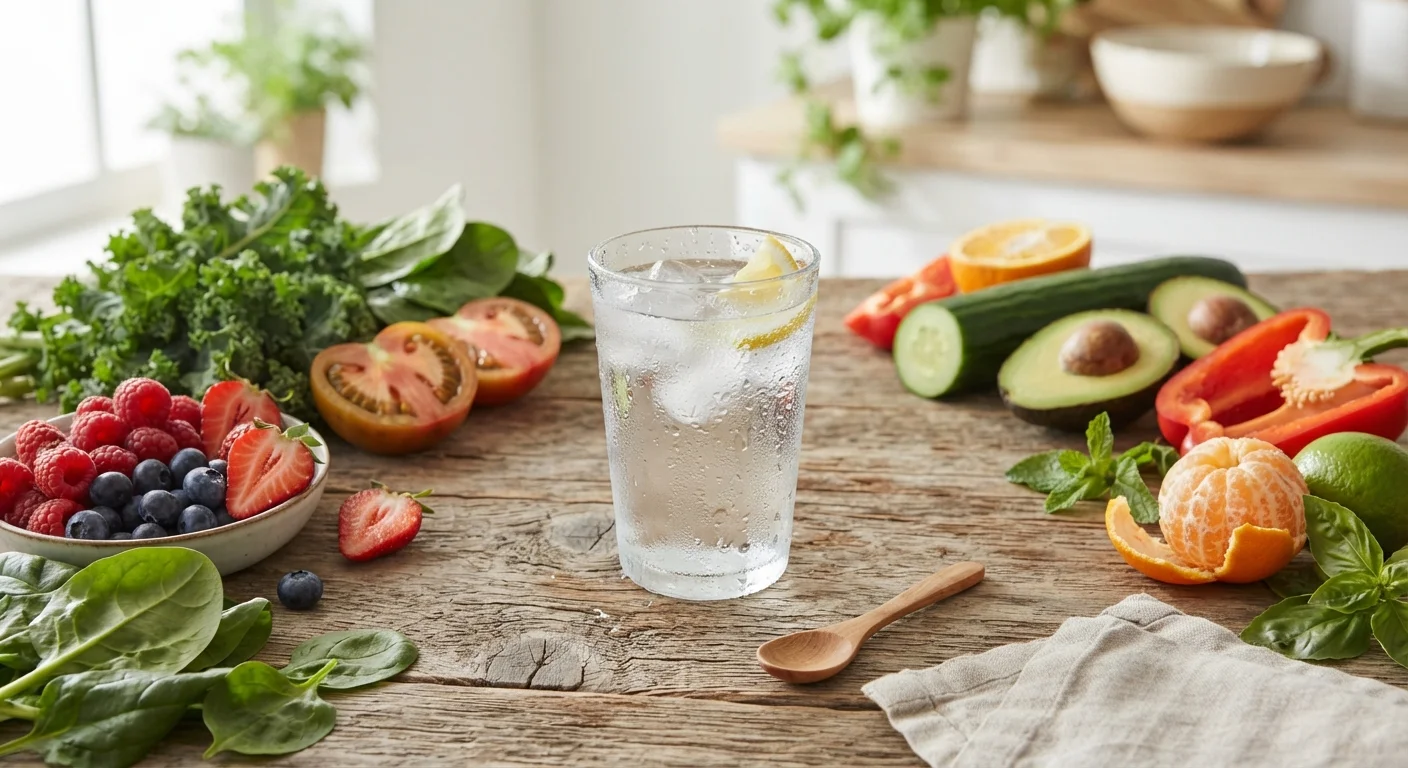
Another underappreciated factor is diet. People who eat plenty of fruits and vegetables - cucumbers, watermelon, leafy greens, tomatoes - absorb significant water through food alone. This is why rigid glass-counting misses the picture. If you're curious about how other aspects of your daily routine interact with hydration, the Healthy Habits hub covers a range of interconnected wellness topics.
Hydration Needs Can Signal Medical Conditions
Sudden or extreme changes in thirst, urination frequency, or urine color can indicate underlying health issues such as diabetes, kidney disease, or medication side effects. If you notice these changes, consult a qualified healthcare provider rather than adjusting fluid intake on your own.
For a deeper dive into common water-intake misconceptions, including sports drinks and electrolyte claims, see hydration myths most Americans still believe.
~20%
Daily water from food sources
The National Academies estimates that roughly 20% of most people's daily water intake comes from food, particularly fruits, vegetables, and soups.
1-2%
Body water loss that impairs performance
Research indicates that a body water deficit of just 1-2% of body weight can begin to affect physical and cognitive performance in some individuals.
This article is for general informational purposes only and is not a substitute for personalized medical advice. Consult a qualified healthcare provider for guidance specific to your health needs.